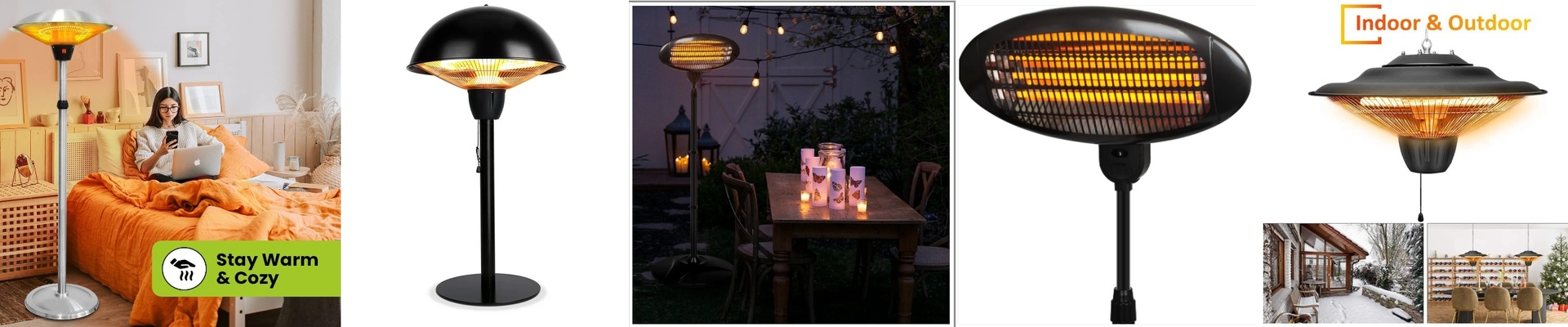
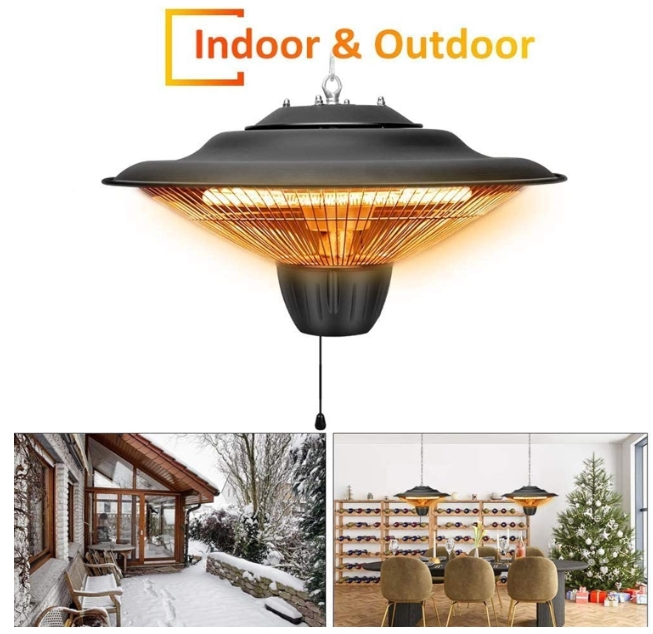
Basements are tricky. You can have a finished room, but if the air feels heavy and the walls sweat, comfort goes out the window. Forced-air systems often fall flat down there—they push out warm air that cools fast and does nothing to cut the damp. When the heat can’t keep up, you end up giving up usable space and living with a stubborn, unhealthy chill.
What matters under the hood
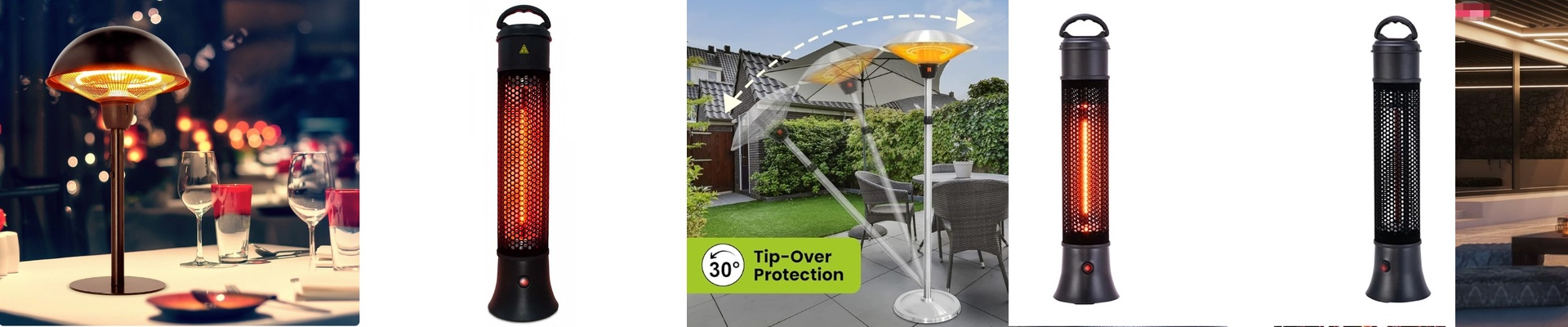
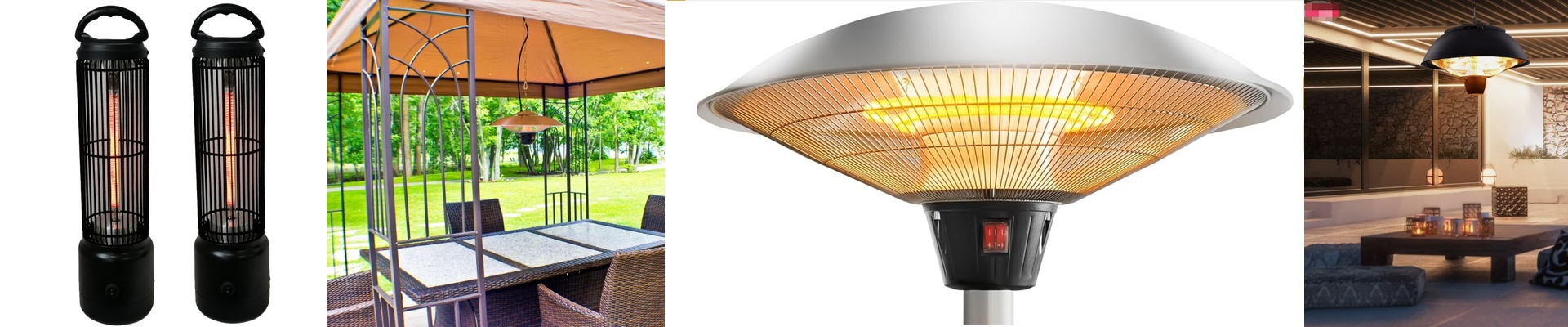
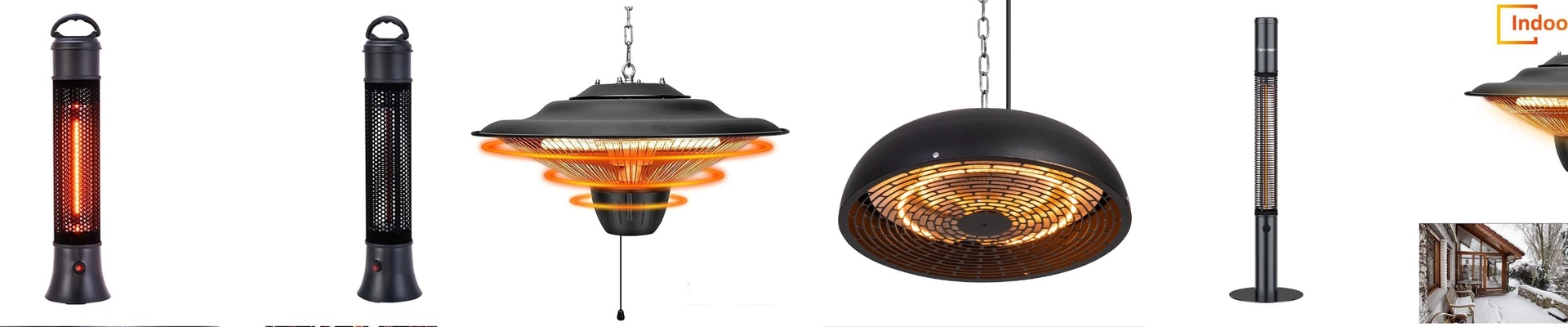
We built this low-power, wall-mounted infrared heater around a carbon fiber element and a reflective backing, so it delivers focused radiant heat. It doesn’t try to heat the air; it warms people and surfaces directly, so you feel the warmth almost right away. It runs on standard household voltage, pulls modest amperage, and pairs with a simple thermostat for steady, consistent comfort. In practice, that translates to lower running costs compared with convection-only heaters, because you’re not constantly losing heat to cold walls and drafts.
Why this approach fits basements
In a basement, radiant heat just makes sense. It gets through that cool surface layer and stops floors and furnishings from sucking warmth out of the room. At the same time, the gentle warmth helps the air hold a bit more moisture, which cuts that clammy, clinging damp feeling. The wall-mount design keeps floor space clear, and the low power draw means you can run it longer without sweating the meter. You end up with a drier, cozier space—fewer cold spots, and a more stable relative humidity.
What to keep in mind
For the best results, mount the heater on an interior wall, away from direct water spray and heavy foot traffic. It’s built to resist splashes, but it’s not submersible, so steer clear of very wet zones. A dedicated circuit and proper clearance are worth the effort on install—this keeps performance steady and buys you years of reliable warmth. If your basement has serious moisture issues, pair the heater with a small dehumidifier to keep comfort balanced.
ชั้นใต้ดินเป็นพื้นที่ที่จัดการยาก คุณอาจมีห้องที่ตกแต่งเรียบร้อยแล้ว แต่ถ้าอากาศรู้สึกอึดอัดและผนังมีความชื้น ความสะดวกสบายก็จะลดลง ระบบลมบังคับมักไม่ตอบโจทย์ในบริเวณนี้—เพราะจะปล่อยลมร้อนที่เย็นลงอย่างรวดเร็วและไม่ช่วยลดความชื้น เมื่อความร้อนไม่เพียงพอ คุณจะต้องเสียพื้นที่ใช้งานและต้องอยู่กับความเย็นที่ไม่สบายและไม่ดีต่อสุขภาพ
สิ่งที่สำคัญภายในอุปกรณ์
เราออกแบบเครื่องทำความร้อนอินฟราเรดติดผนังกำลังต่ำนี้โดยใช้ชิ้นส่วนคาร์บอนไฟเบอร์และแผ่นสะท้อนแสง จึงให้ความร้อนแบบรังสีที่มุ่งเป้าเฉพาะจุด ไม่ได้พยายามทำความร้อนให้อากาศโดยตรง แต่จะทำความร้อนให้กับคนและพื้นผิวโดยตรง ทำให้คุณรู้สึกได้ถึงความอบอุ่นแทบจะทันที เครื่องทำงานด้วยแรงดันไฟฟ้าภายในบ้านทั่วไป ดึงกระแสไฟฟ้าในระดับต่ำ และใช้ร่วมกับเทอร์โมสแตทแบบง่ายเพื่อความสม่ำเสมอในการควบคุมอุณหภูมิ ในทางปฏิบัติหมายถึงค่าใช้จ่ายในการใช้งานที่ต่ำกว่าเมื่อเทียบกับเครื่องทำความร้อนแบบพาความร้อนเพียงอย่างเดียว เนื่องจากความร้อนไม่สูญเสียไปกับผนังเย็นและลมรั่วไหลตลอดเวลา
เหตุผลที่แนวทางนี้เหมาะกับชั้นใต้ดิน
ในชั้นใต้ดิน การให้ความร้อนแบบรังสีมีเหตุผลชัดเจน เพราะความร้อนจะทะลุผ่านชั้นผิวเย็นได้ และช่วยป้องกันไม่ให้พื้นและเฟอร์นิเจอร์ดูดซับความร้อนออกจากห้อง ในเวลาเดียวกัน ความอบอุ่นแบบนุ่มนวลช่วยให้อากาศเก็บความชื้นได้มากขึ้นเล็กน้อย ซึ่งช่วยลดความรู้สึกชื้นแฉะติดตัว การออกแบบติดผนังช่วยให้พื้นที่พื้นโล่ง และการใช้พลังงานต่ำทำให้สามารถใช้งานได้นานโดยไม่ต้องกังวลเรื่องค่าสาธารณูปโภค สุดท้ายคุณจะได้พื้นที่แห้งและอบอุ่นขึ้น มีจุดเย็นน้อยลง และความชื้นสัมพัทธ์มีความเสถียรมากขึ้น
สิ่งที่ควรคำนึงถึง
เพื่อผลลัพธ์ที่ดีที่สุด ควรติดตั้งเครื่องทำความร้อนบนผนังด้านใน หลีกเลี่ยงการสัมผัสน้ำโดยตรงและบริเวณที่มีการสัญจรคนหนาแน่น เครื่องถูกออกแบบให้ทนต่อการกระเซ็นน้ำ แต่ไม่สามารถจมลงน้ำได้ ดังนั้นควรหลีกเลี่ยงบริเวณที่เปียกมาก การติดตั้งวงจรเฉพาะและเว้นระยะห่างที่เหมาะสมคุ้มค่ากับความพยายาม เพราะจะช่วยให้ประสิทธิภาพคงที่และใช้งานได้นานหลายปี หากชั้นใต้ดินของคุณมีปัญหาความชื้นมาก ควรใช้เครื่องทำความร้อนร่วมกับเครื่องลดความชื้นขนาดเล็กเพื่อรักษาความสบายอย่างสมดุล