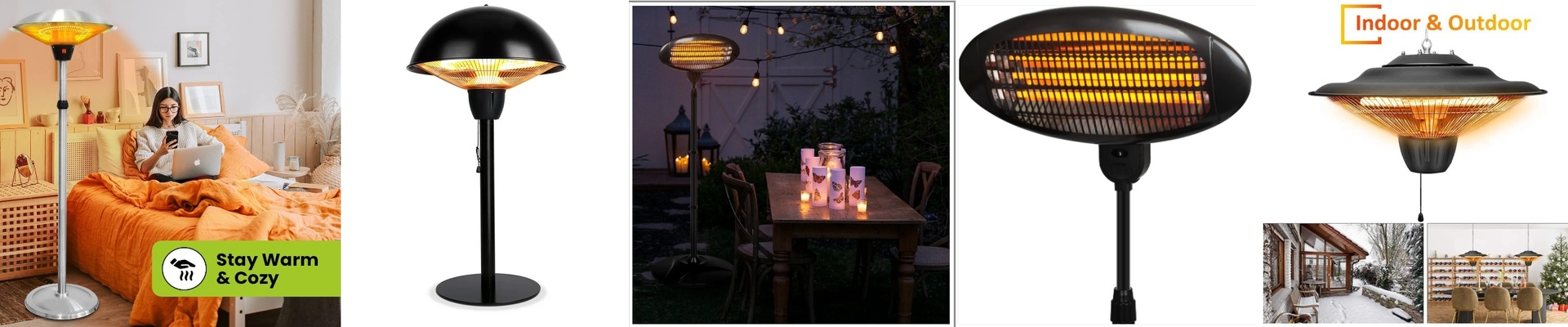
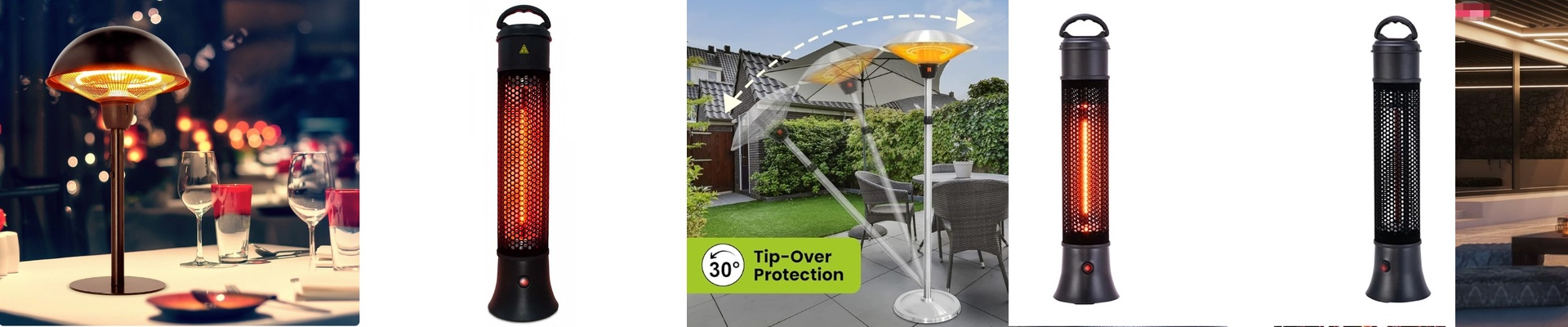
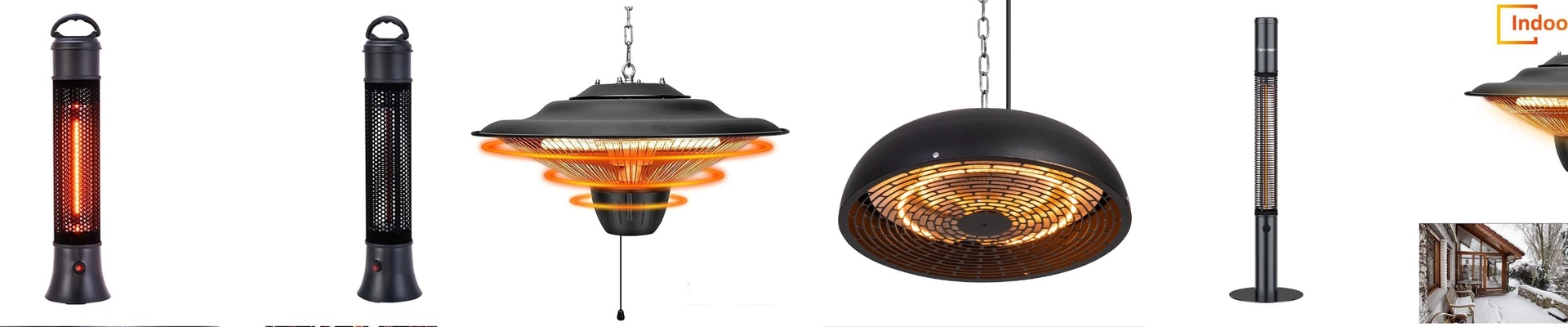
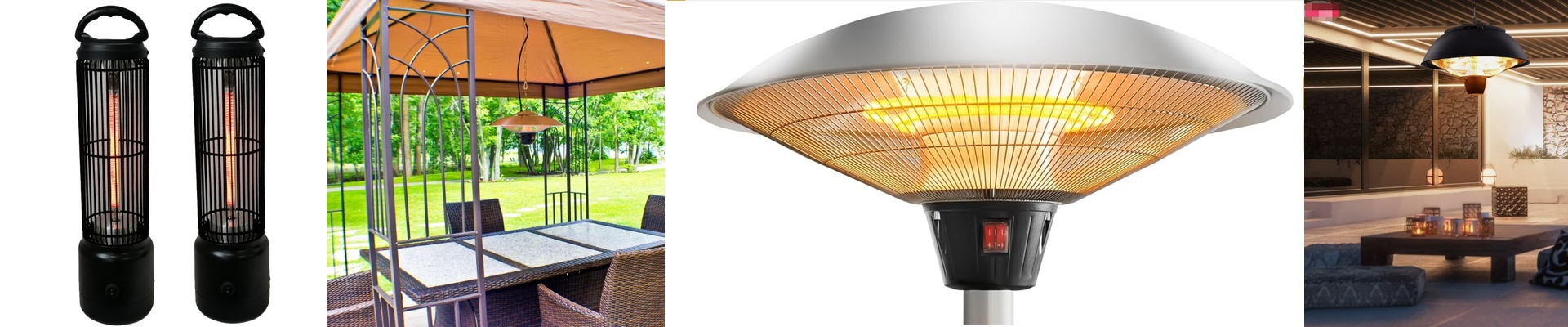
Getting to the Heart of the Power Setup
We built this freestanding heater to run at 2500W on 400V. It’s a smart choice, because it keeps the current lower. That means you get away with thinner copper wiring, and you don’t have to worry about voltage dropping off over long runs. The 2500W also gives you a heater that heats up fast and holds steady, even out in the open in a busy shop. You get precise control when you need to keep parts, molds, or a specific zone right at the temperature you want—without having to over-engineer the whole system.
The Inside Story: Halogen, Quartz, and a Simple Connection
At the core, we use a quartz tube filled with halogen gas. It throws out shortwave infrared heat, and quartz is tough. It handles the shock of heating up and cooling down again and again without cracking. The halogen gas does something really clever, too. It keeps the filament stable by putting material back where it belongs. That means a longer life than you’d get from a standard incandescent element. And the R7s connector? It’s just a solid, industrial-grade way to plug in. It locks in fast and stays connected, even when things are vibrating. It’s a straight swap for standard R7s sockets, so swapping a lamp is quick and painless.
Where It Shines—And What to Keep in Mind
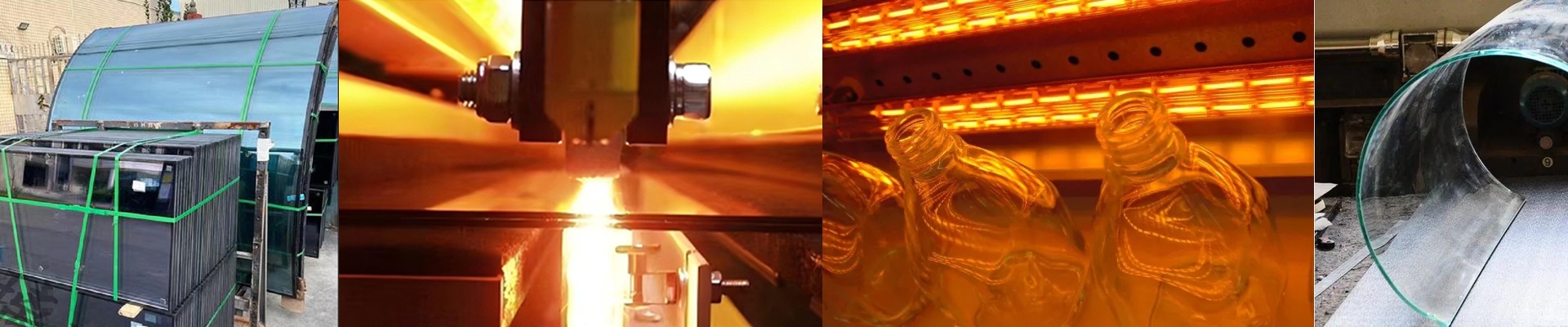
This setup is perfect when you need heat in one spot, in a standalone layout. Think spot heating, curing lines, or pre-heat stations. The footprint is small, and the heat is focused, so you can pour the energy right where you need it. But here’s the trade-off: 2500W at 400V packs a lot of heat density. That means your enclosure and cooling setup need to be ready for the extra warmth. Plan your airflow and keep the heat separated, so the electronics nearby stay in their safe zone.