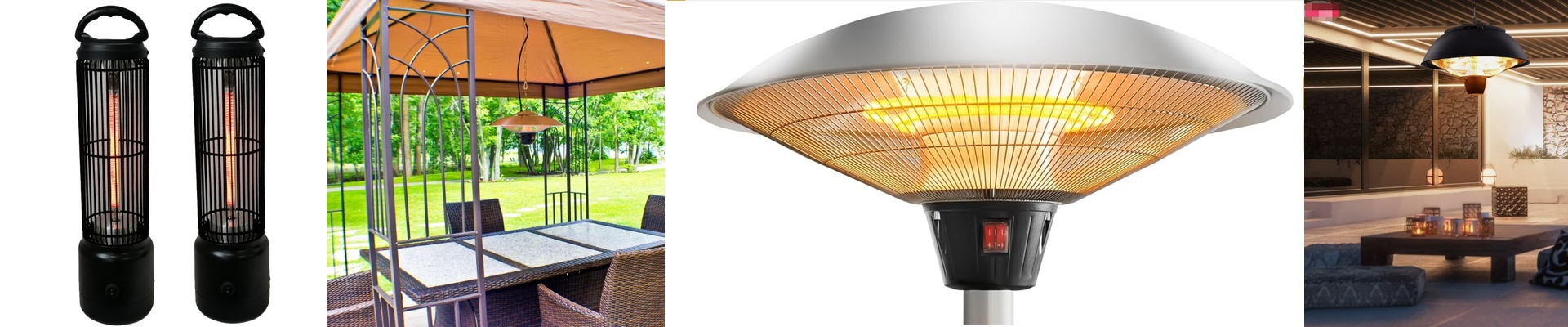
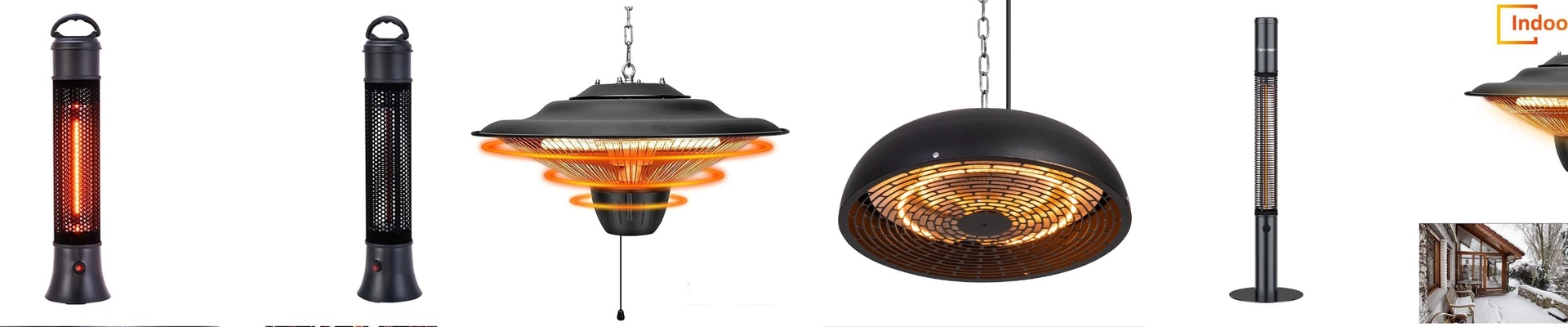
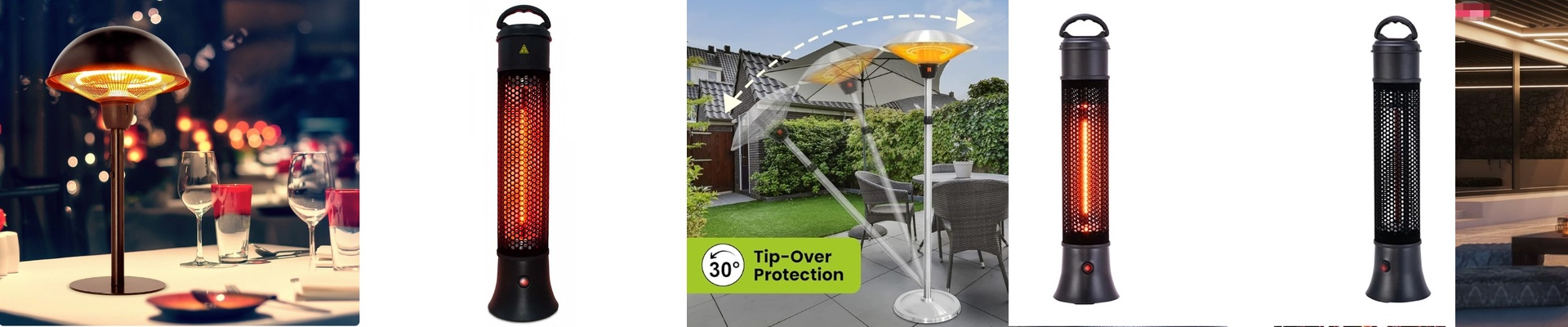
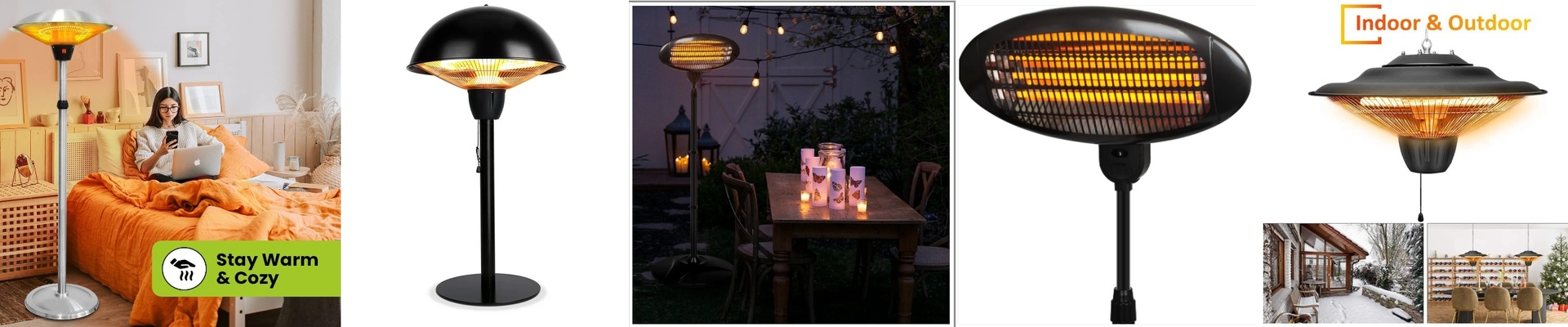
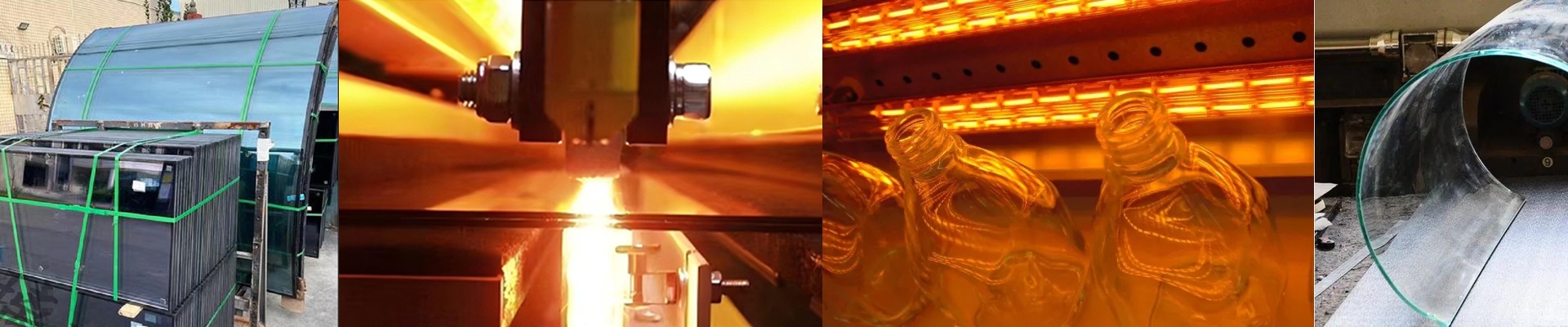
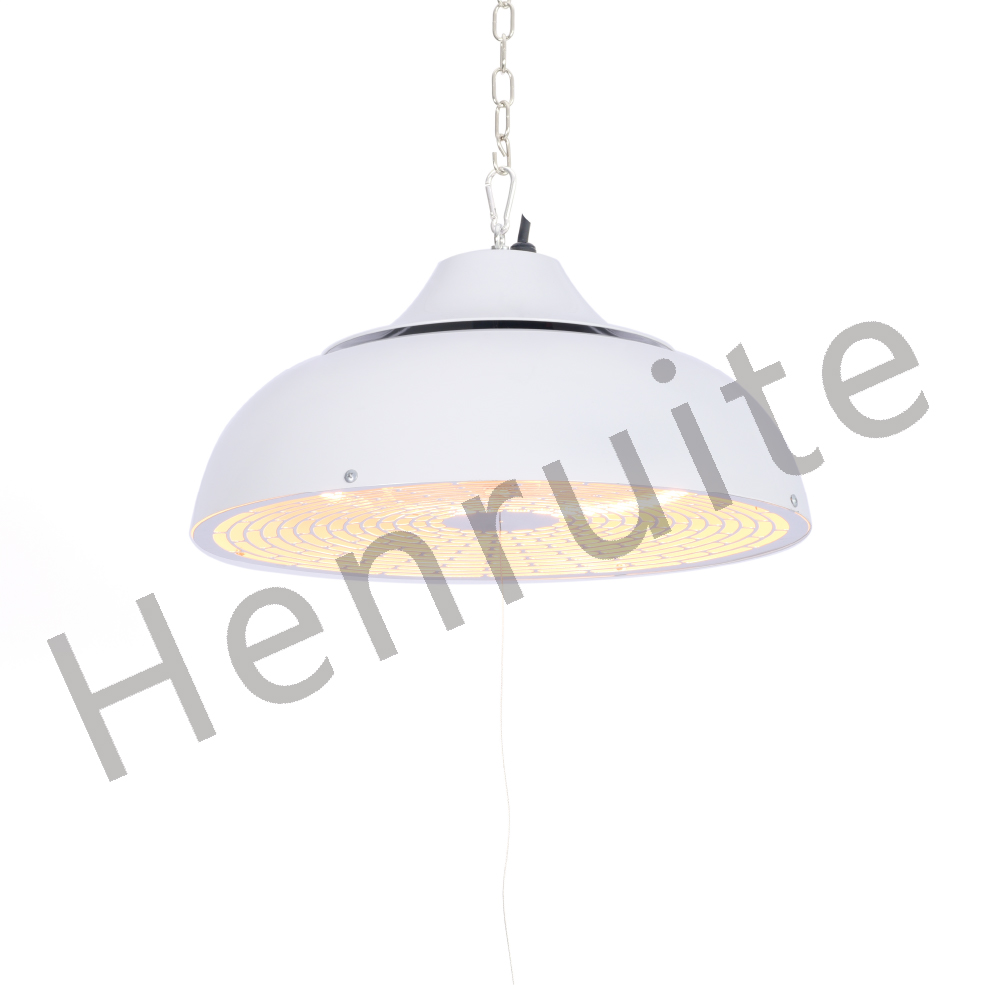
Ever walk into a big living room or a workshop and feel the air heater working hard, but the warmth never quite lands on you? Convection heats the air, not the people, and you end up watching the heat drift into empty corners. Infrared electric heaters flip that approach. They deliver warmth that goes where you are, when you need it. Here is the thing on the technical side: infrared heaters run on radiant heat—think of it like the sun, just without the glare. Inside, a carbon fiber element or a quartz tube throws off short- or medium-wave infrared energy. That energy travels in straight lines and gets absorbed by people, furniture, and floors. The payoff? You feel warm first, instead of waiting for the whole room to catch up. Most models sit in the 1,500–5,000 watt range, plug into standard outlets, and come with adjustable thermostats and timers. For safety, look for tip-over protection, overheat cut-off, and an IP rating that matches the space—indoor use or covered outdoor spots. Why this shines in big rooms, workshops, and three-season patios is simple: it removes the guesswork. Flip it on and the warmth lands where you stand. Cold spots disappear, and you don’t have to overheat the entire volume to feel good. Energy goes where it matters, not up into rafters or down empty aisles. That translates to lower running costs, faster comfort, and a more steady feel—especially when you’re moving, working, or entertaining. Now, a couple of realities to keep in mind. Infrared warms objects and people directly; it’s not built to reheat cold air as fast as convection. If the space is drafty, pair it with an air curtain or bring in a secondary heater to handle air movement. For best results, mount or position the unit so nothing blocks the beam, and aim that pattern where you actually spend time. Pick the right wattage for the area, and make sure the circuit can carry the load.