
Why Shortwave Infrared Wins at Coating Drying
We built this drying setup for one reason: to get glass nano-coatings cured the right way—fast, consistent, and strong. The whole point is simple: deliver energy quickly and repeatably, so the coating bonds tight and your line keeps moving. Old-school hot-air drying? It heats the glass first, then the coating. That’s slow, wasteful, and tends to give you uneven results.
Power, Voltage, and Output—Without the Fluff
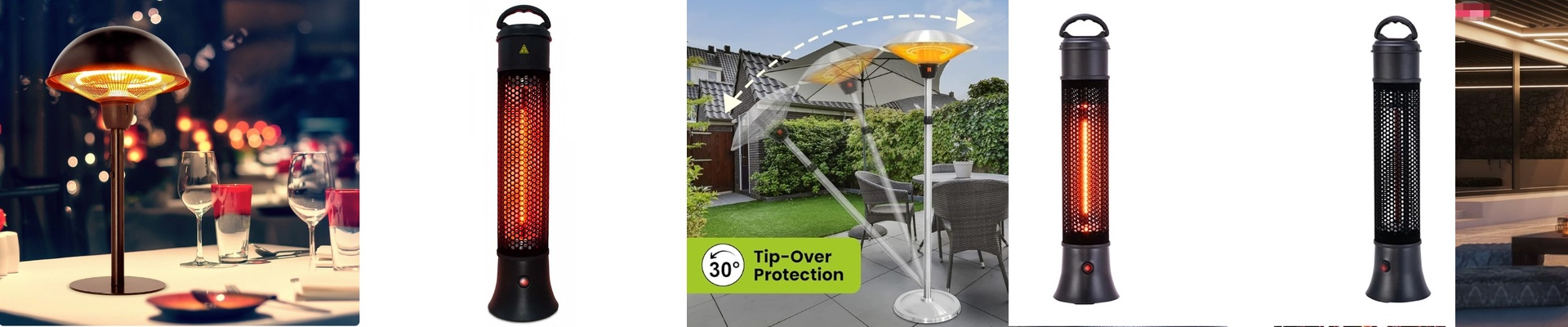
Shortwave infrared (SWIR) goes straight to where the energy needs to be: the coating itself. We set up the lamps for high power density, so they ramp up fast and hold tight temperature control. This system is built for the real world—industrial duty cycles, day after day. You can run at full output over and over, without that frustrating thermal lag. It works on standard plant power, but you need a circuit that’s properly sized. For example, a 400V 2500W tube puts out serious heat. That means your cooling setup has to be ready for the extra ambient heat, too.
The Lamp: Halogen, Quartz, and a Smart Connector
The lamp uses a halogen-filled quartz envelope, so the filament can run hot and stay stable. The output stays consistent in the SWIR band, hour after hour. The quartz coating helps even out the temperature across the target width, so you don’t get hot spots that ruin uniformity. And for hooking it up? We went with an R7s connector. It’s quick to wire, stays secure even with vibration, and when it’s time to swap a lamp, the changeover is straightforward.
What It Feels Like on the Glass Line
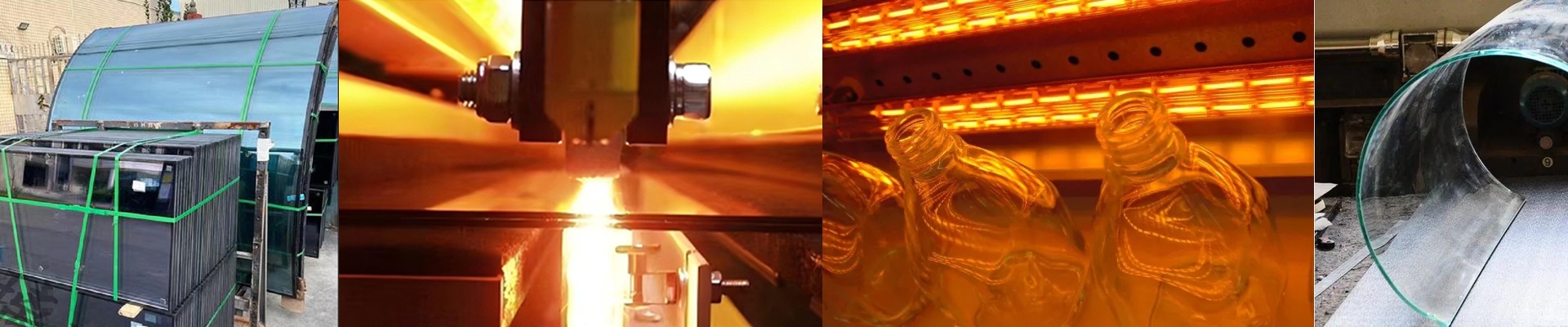
On a glass nano-coating line, this module cures in seconds instead of minutes. That speed translates into real adhesion—up to 3X stronger bonding compared with conventional hot-air drying. The coating crosslinks before the substrate has a chance to warp or stress. You get faster throughput, fewer rejects, and a smaller footprint. Now, it’s true the lamp runs hot. So you need proper shielding and airflow built into the station—plan for it, and you’re good.