
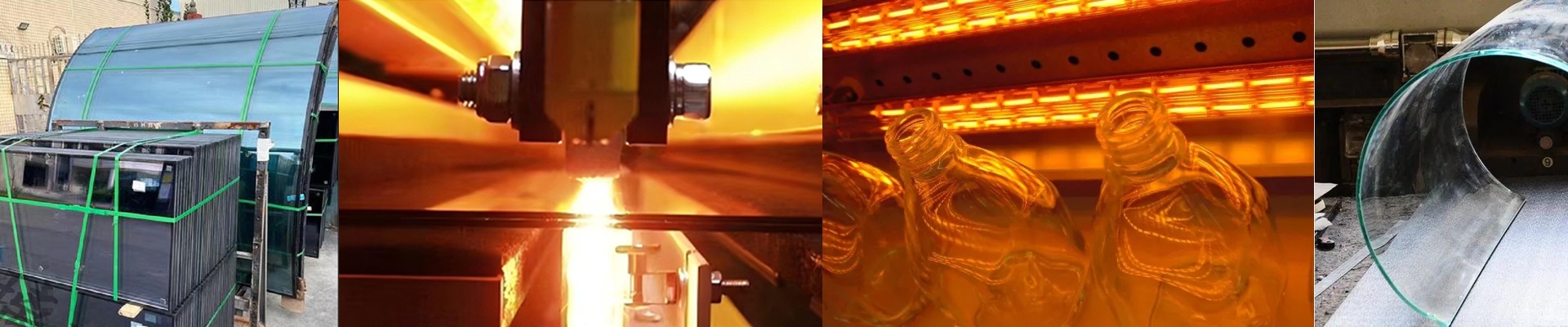
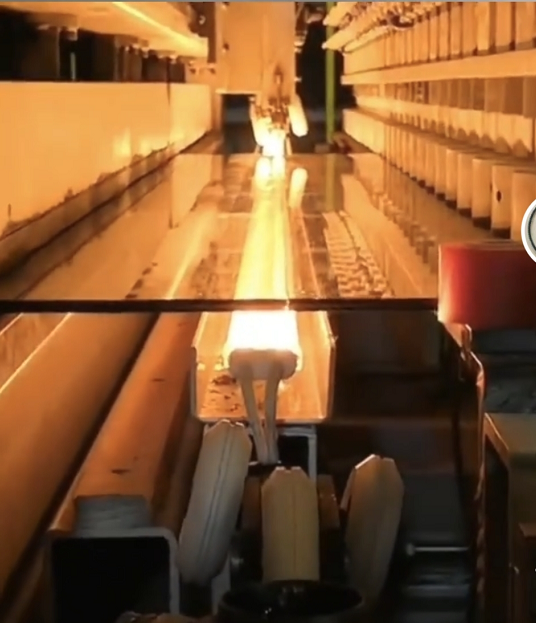
On the glass line, heat isn’t just heat—it’s control. Whether you’re tempering, bending, or drying coatings, uneven temperature or a sluggish ramp-up shows up fast as scrap, wasted energy, and missed cycle targets. We built our clear quartz infrared tubes to turn that guesswork into repeatable thermal performance.
What actually matters, technically
These tubes lean on short-wave infrared emission, matched to how glass and coatings absorb energy. That gives you rapid, direct heat transfer—no heavy reliance on convection that tends to create edge-to-center swings.
In practice, you get a 3-second ramp to 650°C, and temperature uniformity holds at ±2°C across the heating zone. Power density sits at 30–45 W/cm², so you get high heat flux where you need it. The quartz envelope takes repeated thermal shock without complaining, and the footprint is compact enough to drop into existing OEM modules without reworking the line.
Why it sticks in real processes
In tempering, the fast response shrinks the gap between heating and quenching. That tightens the process window and helps cut breakage driven by thermal stress.
On the bending side, a uniform field keeps sag consistent across the sheet, which means fewer come-backs and less rework.
For lamination and coating drying, short-wave energy penetrates quickly, driving out moisture and solvents without scorching the surface. The payoff is higher throughput, fewer rejects, and lower kWh per part.
A few shop-floor details you’ll want lined up
Infrared heating is line-of-sight, so tube placement and reflector geometry have to match your glass geometry. If they don’t, you’ll get shadowing.
Plan for a clean, dry power connection, and confirm the mounting bracket tolerances. Tighter alignment improves uniformity and stretches tube life.
Expect peak output at full voltage. If your line runs variable speeds, pair the tubes with a matched control strategy so the thermal profile stays stable.