
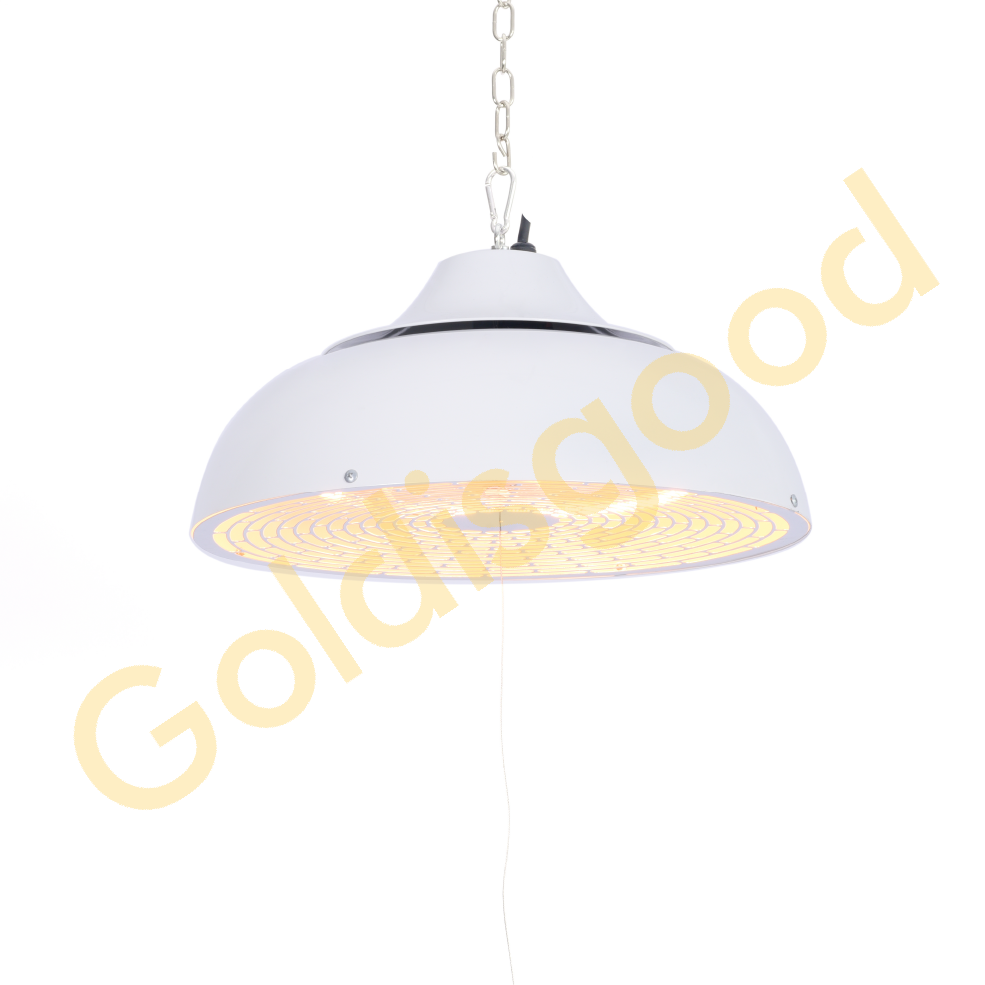
Why Bathroom Heaters Actually Die (And How We Stop It)
Let’s be honest: bathrooms are a nightmare for electronics. You’ve got thick steam, wild temperature swings, and water vapor getting into every tiny crack. It’s the perfect storm for a heating lamp to just… give up. Usually, it happens because a seal fails or the electrical contacts start to rust. One minute you’re enjoying a warm shower, and the next, the lamp pops. To stop that from happening, we put our lamps through some pretty brutal “damp-heat” aging tests. Basically, we try to kill them in our lab so they don’t die in your ceiling.
The battle against the steam
Most of these heaters use a tungsten filament tucked inside a quartz tube. Now, quartz handles heat like a champ, but the “pinch-seal”—that spot where the wires enter the glass—is the Achilles’ heel. Over time, moisture finds a way in. To fix this, we toss our lamps into chambers with 95% humidity and crank up the heat for hundreds of hours. It’s miserable in there. But if there’s even a microscopic leak in that seal, the moisture hits the filament, it oxidizes instantly, and the lamp blows. We’d much rather see that happen on our workbench than have a customer call us with a broken heater.
It’s not just about the glass
The wiring takes a beating too. In a wet room, you get this thing called galvanic corrosion on the terminals. It’s basically the metal degrading. When that happens, the electricity struggles to get through. This creates high resistance, which generates a lot of heat right at the connection point. If we don’t catch that, you’re looking at melted plastic housings or a tripped breaker. Not exactly the “spa experience” people are looking for.
The balancing act
You might wonder why we don’t just glue the seals shut with something industrial. Here’s the thing: quartz expands and contracts every single time you flip the switch. If the seal is too rigid, the glass just cracks under the pressure. But if it’s too loose? The steam walks right in. It’s a delicate balance. Our aging tests help us find that sweet spot—a seal that’s tight enough to keep the water out, but flexible enough to breathe as it heats up and cools down. The result is a lamp that actually lasts as long as it’s supposed to, even in the steamiest bathroom you can imagine.