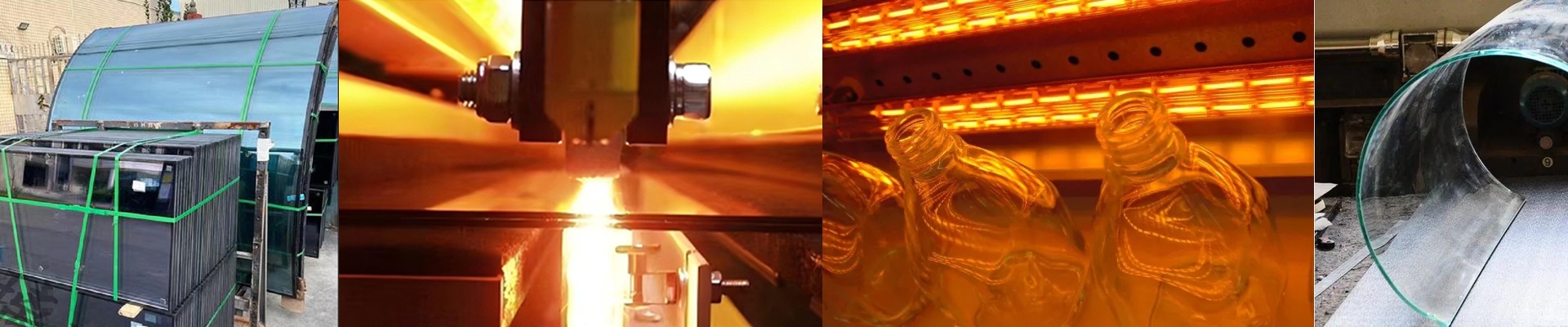
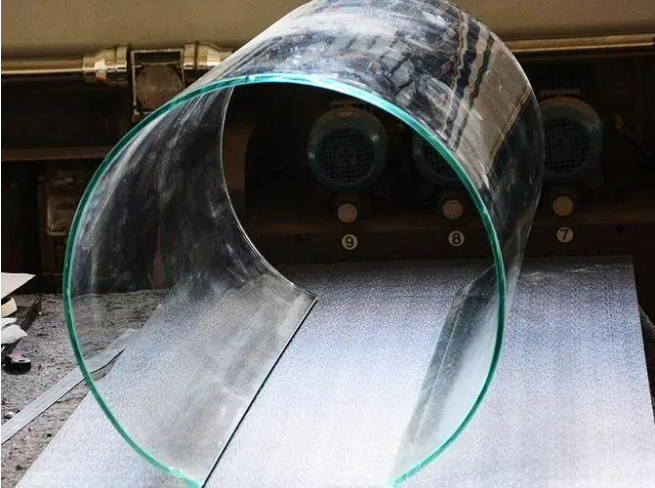
On the floor, a decal misses its firing window and the whole batch stalls. Convection ovens drag out heat transfer, and hot spots force you to chase rejects. A glass decal firing heater isn’t a nice-to-have. It’s a production control point. We built ours to put repeatable heat right where the ink hits the glass, without cooking the substrate.
What matters under the hood
We run short-wave infrared quartz emitters for fast, direct energy transfer. The heater packs 120 kW into a small footprint, 400 V three-phase, with a 200 mm × 400 mm active zone that fits most flat glass lines. A tuned power profile hits peak temperature in under 15 seconds, then holds ±2% stability across the zone. That gives a uniform thermal field that keeps thermal stress down during tempering and bending, and keeps coatings and decals inside the tight curing band. Replaceable quartz tubes and standardized connectors cut changeover time.
Why it fits real production
In high-throughput glass work, seconds pile up. Fast ramp-up shortens the firing cycle, so the line keeps moving from annealing to tempering without waiting around. Tight temperature control cuts rejects from over-cure and under-cure, and keeps color and adhesion consistent shift after shift. Energy use drops because the emitters heat the decal directly, not the air. The unit drops in as a module, so you can upgrade without rewiring the whole station.
What to keep in mind
This is line-of-sight, so it performs best on flat, exposed surfaces. Keep glass spacing consistent to hold uniformity, and keep the emitter surface clean to preserve emissivity. Installation is straightforward, but you need to match the power supply and cooling—airflow and electrical load have to line up with the machine spec. Plan on routine checks of the quartz and reflectors; they’ll need replacement after 5,000+ hours, depending on duty cycle.