
Low Light Infrared Heater: Big Heat, Small Package
Let’s talk about a heater that was built for the real world. The kind of spot where your machine is pressed for space, but you absolutely can’t afford to mess around with inconsistent heat. We designed this low light infrared heater to slide right into those tight industrial corners. It’s a compact quartz-halogen powerhouse, packing a serious punch into a small tube. The whole point? To give you reliable, predictable heat without forcing you to completely redesign your machine’s chassis.
Power, Voltage, and the Space You Save
Here’s the thing about its 400V design. It’s a smart move that keeps the current on the line side lower than a 230V alternative. What does that mean for you? Smaller wiring, and less voltage drop, especially when you’re running cable across a big machine. It’s rated at 2500W, all squeezed into a 300mm length. That’s a lot of heat, fast. It’s perfect when you need a small zone to heat up quickly and hold a precise temperature. But, and this is important, that kind of concentrated power means you need to plan your cooling and control strategy from the start.
The Built-in Details That Matter
The halogen cycle inside keeps the filament stable, so you get consistent output for the long haul. The quartz envelope is tough, built to handle rapid heating and cooling cycles without cracking. A reflective coating makes sure the heat goes where you need it—forward, onto your target. Less wasted heat means a cleaner, more efficient setup. And the R7s connector? It’s a simple, industrial-grade solution that locks in tight and stays put, even with vibration. Wiring it up is a breeze, and if you ever need to swap one out on the floor, it’s an easy job.
Where This Heater Shines
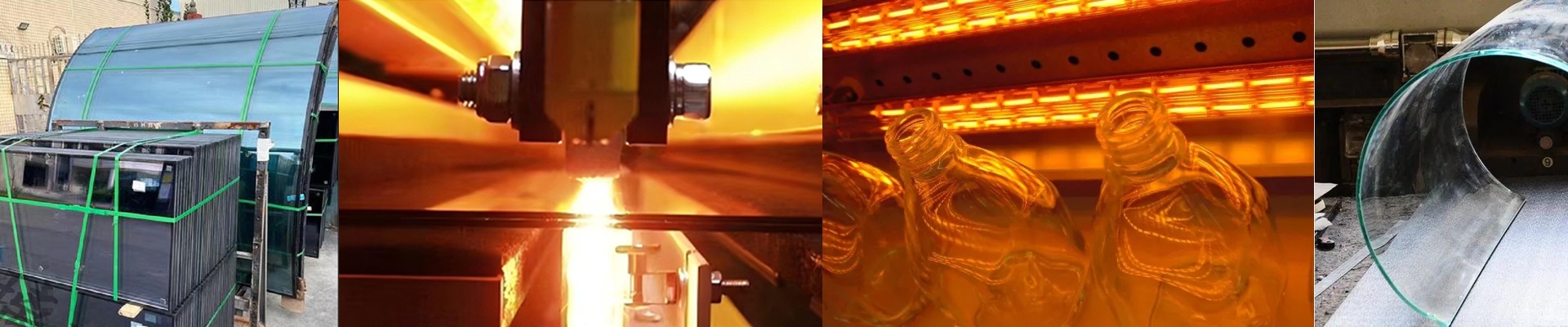
This is your go-to for intense, focused heat in a small footprint. Think about sealing bars, compact forming stations, or pre-heating materials before they’re processed. It’s all about repeatable performance. The high watt density, the directional heat, and the rugged halogen design all work together to give you heat you can count on, shift after shift. Just remember, this is concentrated power. Plan for enough airflow and proper thermal isolation. Build the machine to handle it, and this heater will do its job flawlessly.