

Keeping Things Warm in Wet Zones (Without the Short Circuits)
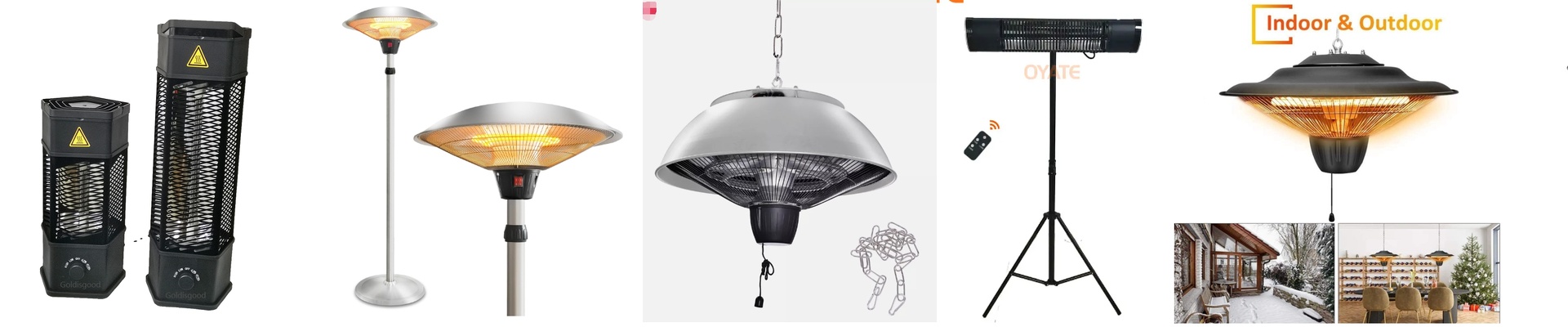
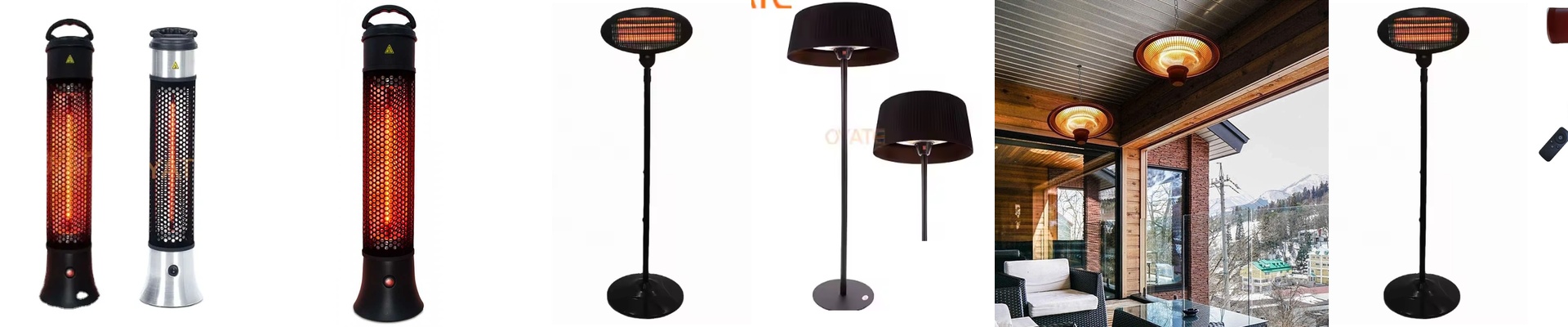
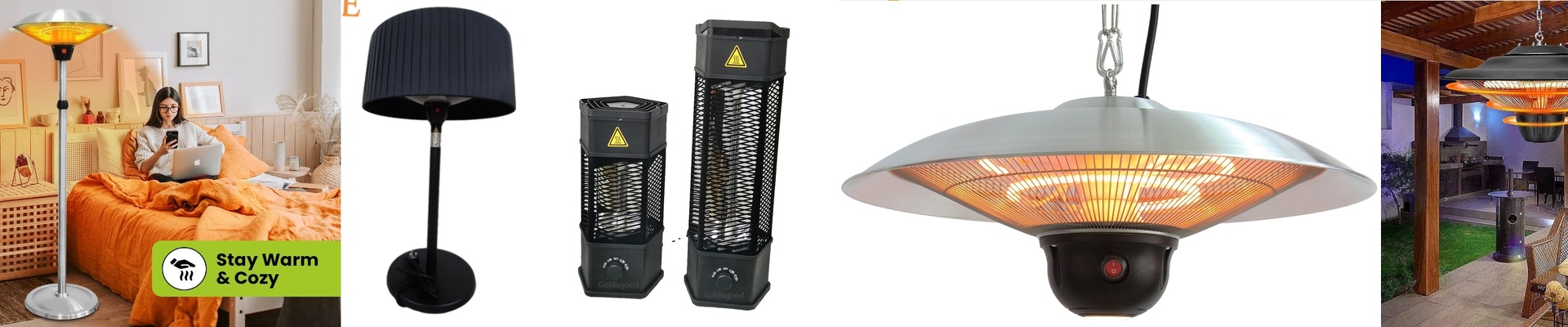
Let’s be honest: most heaters just can’t handle a changing room or a wet area. Moisture gets inside the housing, things start to rust, and before you know it, you’ve got a short circuit on your hands. It’s a mess. That’s why we put our shortwave infrared emitters inside an IP55-rated shell. It basically keeps the guts of the heater safe from the chaos of a humid room.
Heat that actually hits you
Most heaters try to warm up the air, which takes forever—especially if there’s a draft. These units are different. They use shortwave radiation, which means the heat travels in a straight line. It hits you directly. We use quartz tubes that heat up almost the second you flip the switch. No more waiting around in a cold room hoping the air eventually warms up. You feel it immediately.
What “IP55” actually means for you
If you aren’t a tech person, just think of the “55” as a shield. It keeps dust out and stops low-pressure water sprays from getting inside. We use industrial-grade gaskets to seal everything tight and a corrosion-resistant coating on the outside so the steam doesn’t eat away at the finish. It keeps the electrical terminals dry and happy. But here’s a tip: make sure your wiring is just as tight as the heater. If your junction box is leaking, the IP55 rating on the unit won’t save you.
A few things to keep in mind
Because shortwave infrared is so powerful, it creates a very specific kind of heat. If you’re standing right under the lamp, it feels great. But if you step a few feet away? You’ll notice the temperature drop pretty quickly. To avoid those awkward “hot spots” and “cold zones,” we usually suggest spacing the units out based on how high your ceilings are and where people actually walk. As for the setup, these are built for standard industrial voltage, so they fit into most commercial ceilings without a fight. Just a heads-up—double-check that your circuit breaker can handle that first big surge of power when the units kick on.