
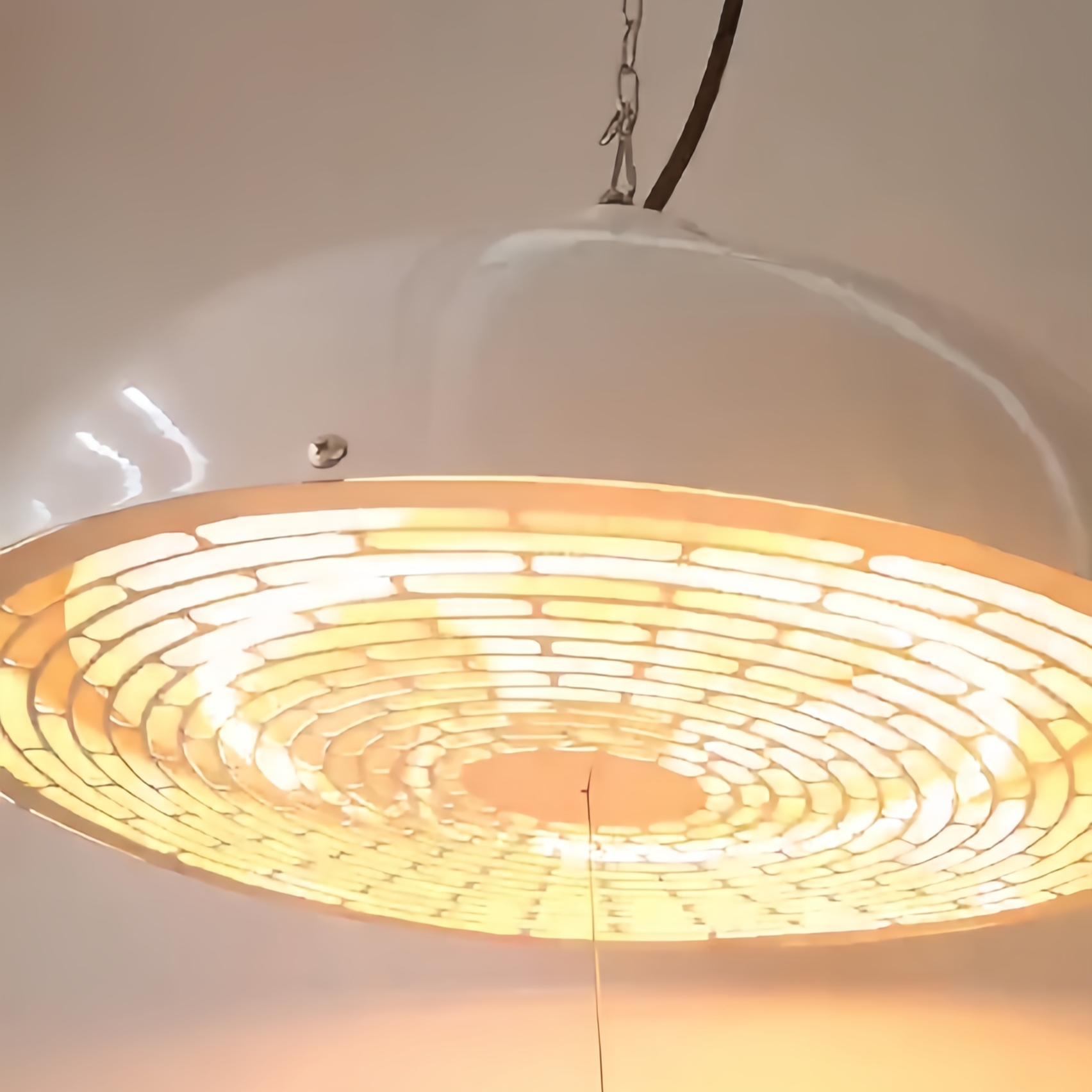
Keeping Your Shower Warm Without the Danger
Putting a heater in a shower is a bit of a nightmare from an engineering perspective. You’ve got two big problems: water getting where it shouldn’t and the sheer stress of extreme temperature swings. A normal infrared lamp? It’ll crack or short out the second a few splashes hit it. We fixed that by pairing IPX4-rated enclosures with “explosion-proof” quartz tubing.
Why the quartz matters
Here is the thing about standard quartz: it hates “thermal shock.” Imagine a tube glowing at 800°C. Now imagine a single, cold drop of water hitting it. That sudden temperature drop is enough to make the glass shatter instantly. That’s why we use a specialized quartz that can handle those wild swings without breaking. It’s the main line of defense between the hot tungsten filament and you. And if the tube ever does fail? That’s where the IPX4 housing kicks in, keeping the water away from the live electrical parts.
Dealing with the splashes
When we talk about an IPX4 rating, we basically mean the unit can take a splash from any direction and keep on ticking. But you can’t just shove a lamp in a box and call it a day. You have to let the heat escape while keeping the seals tight. We use high-temperature silicone gaskets because they don’t melt or crumble when they’re blasted with IR radiation all day.
A few things to watch out for
These lamps are great because they give you that instant, cozy heat the moment you step into the bathroom. But that intensity comes with a catch. Because they get so hot, the fixtures actually expand. If you mount these to cheap plastic, the housing will warp and bend over time.**Give your mounting brackets a few millimeters of breathing room.**It makes a world of difference. We built these to take a beating in the steamiest rooms in the house. Just do yourself a favor: wire it up to a GFCI-protected circuit. That way, if a seal ever gives out, the system shuts down safely before anyone gets hurt.