Municipal buildings and public facilities carry a heavy heating load—big open spaces, long operating hours, and energy prices that never seem to quit. When budgets get tight, traditional forced-air systems turn into a running cost you can’t easily control, and zoning becomes a headache. The outcome is uneven comfort and predictable overspending.
What matters, technically
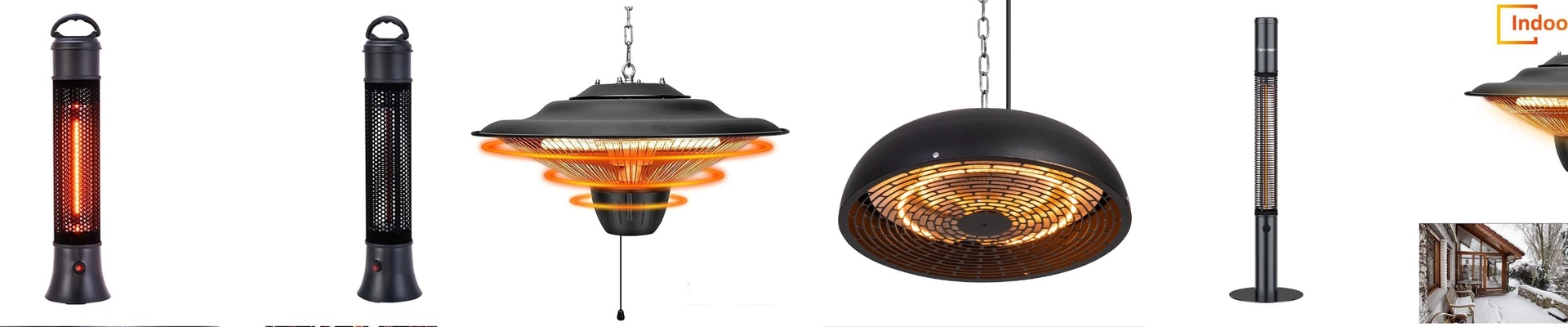
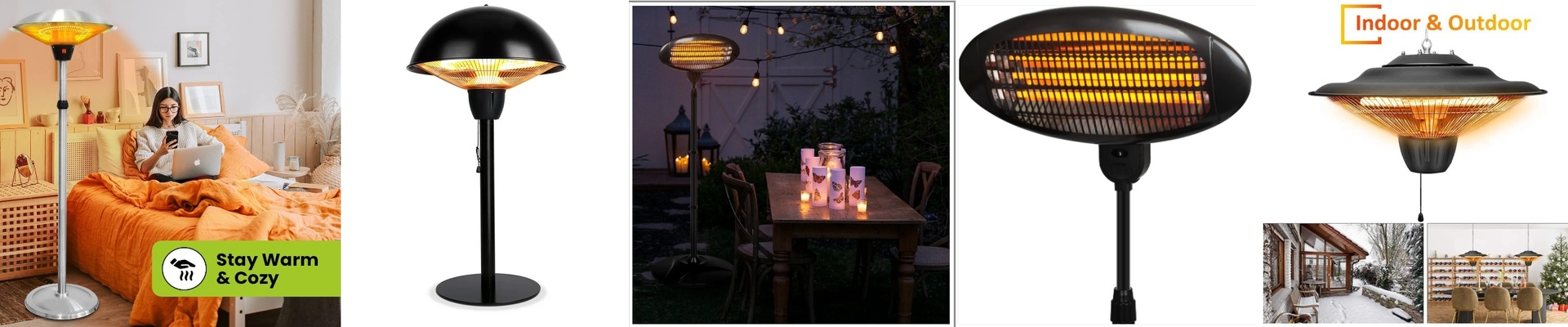
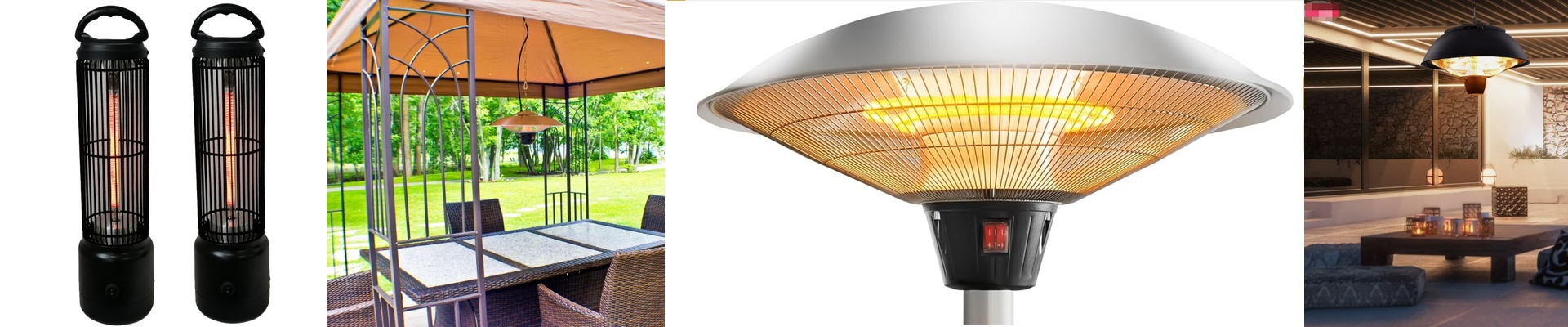
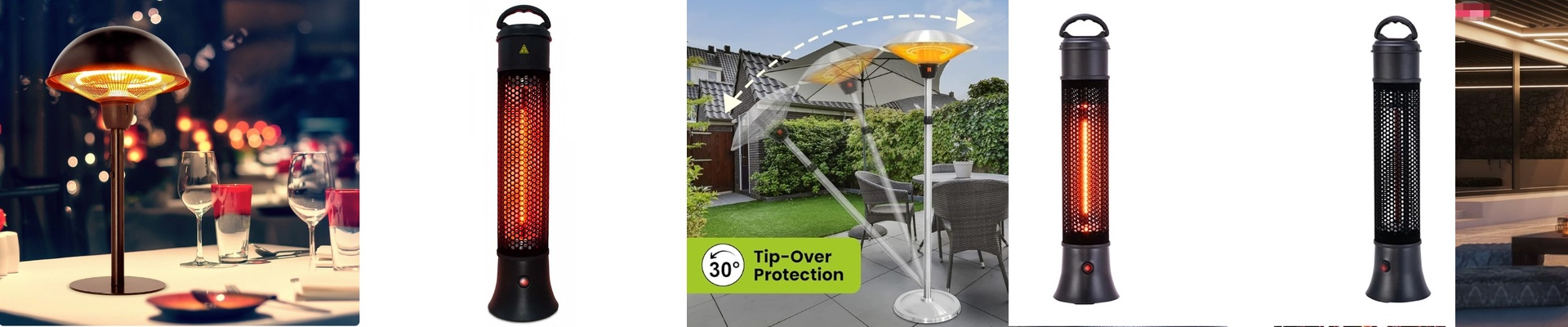
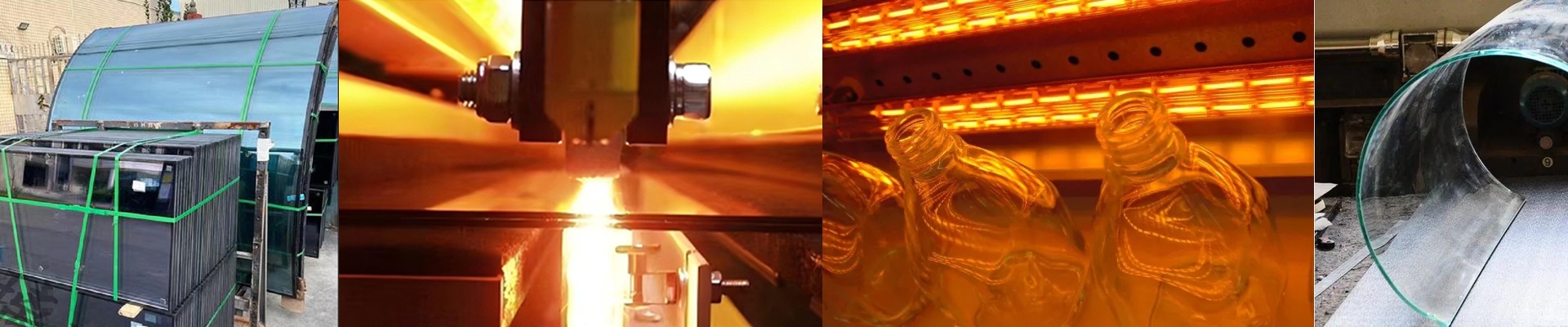
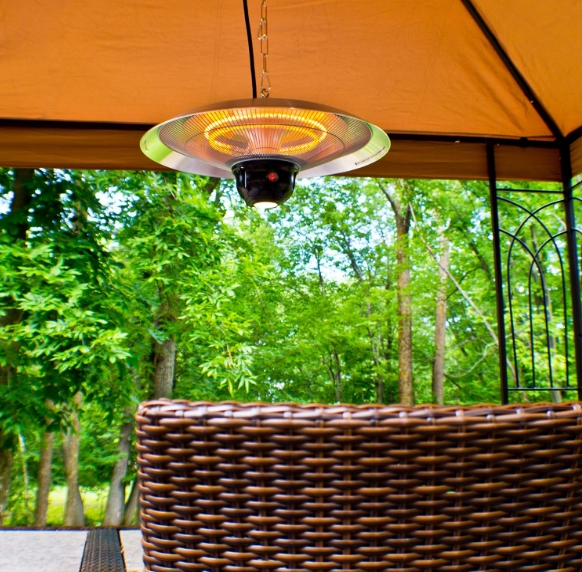
Commercial infrared patio heaters deliver radiant warmth—heat that travels straight through the air without first warming the air itself. We lean on high-efficiency quartz tubes or carbon fiber elements to produce short- and medium-wave infrared output, so electricity gets turned into usable warmth with minimal waste. Many models run on standard 240V circuits, pulling 3–5 kW each, and they mount cleanly on walls, ceilings, or poles. A built-in thermostat holds the set point steady, and IP ratings—often IP55—keep dust and rain out. Safety isn’t a talking point; it’s built in. Tip-over protection and thermal cut-offs shut the unit down if conditions change.
Why this approach fits
Public spaces get used in bursts, not a steady flow. Infrared heaters warm people and surfaces, not the whole volume of air, so you can keep comfort up without paying to heat empty zones. For municipal managers, that translates to faster warm-up, fewer comfort complaints, and a clearer line item on the energy bill. Facilities teams also see the operational upside: peak demand often drops because the heaters cycle less and follow occupancy patterns. Maintenance stays straightforward—no ductwork, no complicated boilers—just a clean element and a secure mount.
What you need to get right
Infrared heating performs best when the area is sheltered from wind and the heater has a direct line-of-sight to the people and surfaces you want to warm. Drafts scatter the heat, so placement matters more than people think. And don’t skip the basics—check local electrical codes for dedicated circuits and outdoor-rated connections. When you plan it properly, a scalable network of commercial patio heaters turns a predictable expense into something you can manage, without giving up comfort.