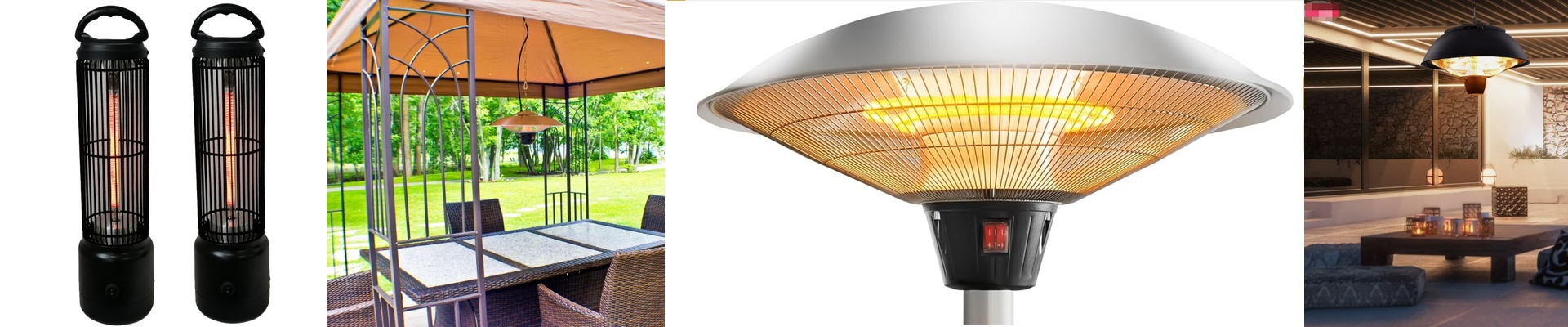
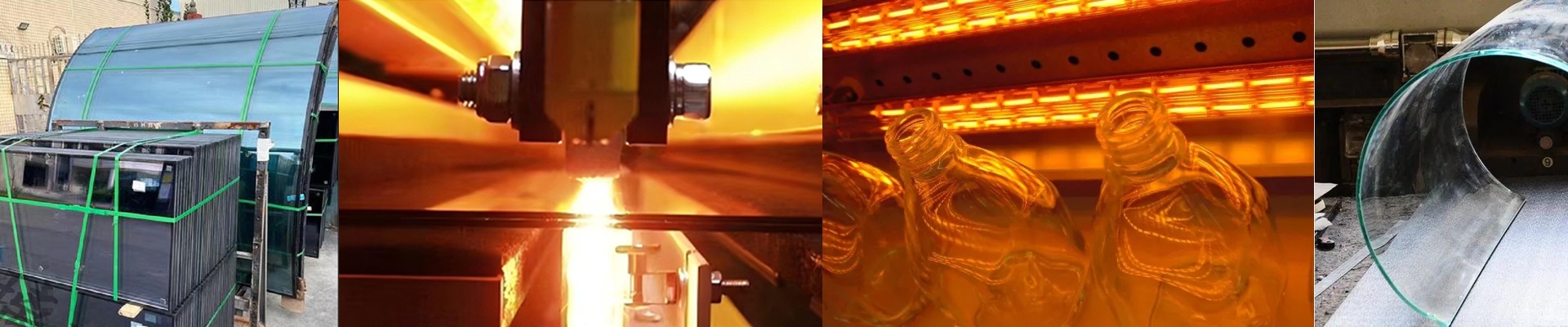
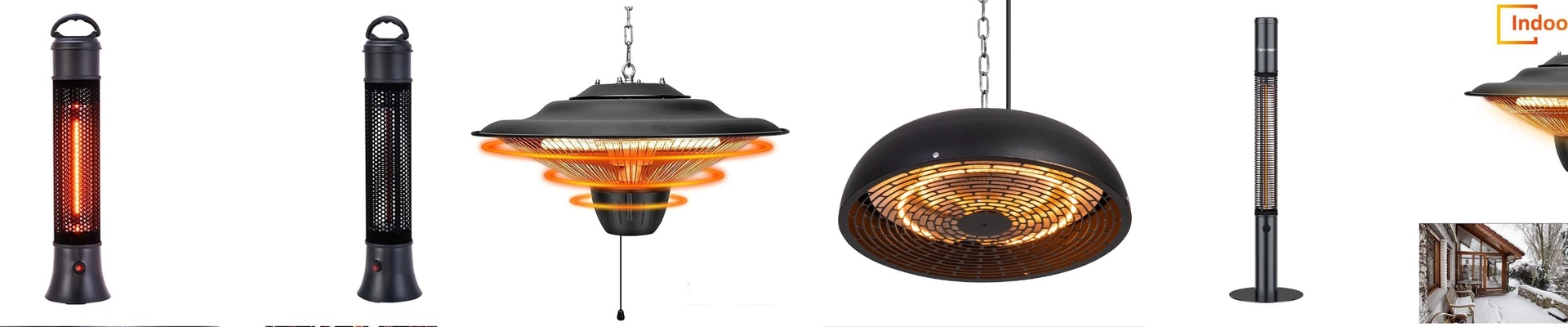
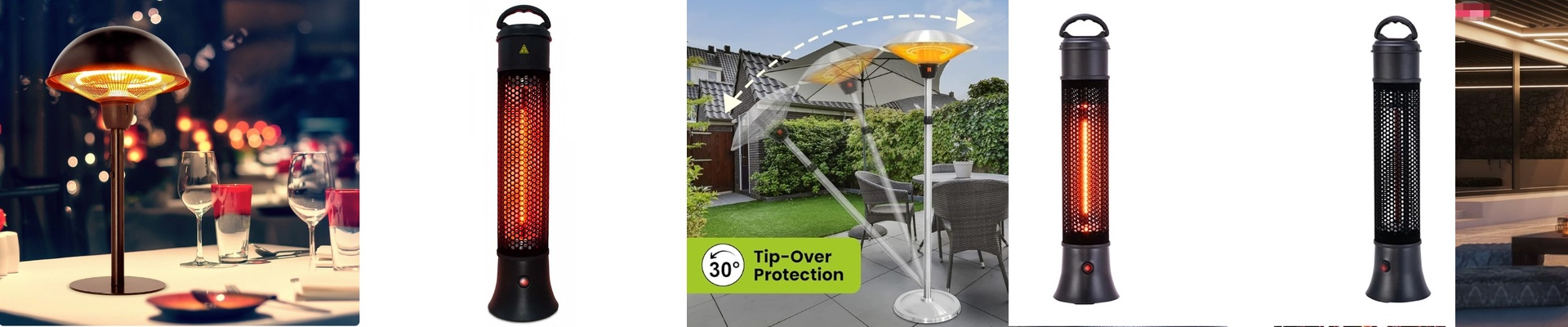
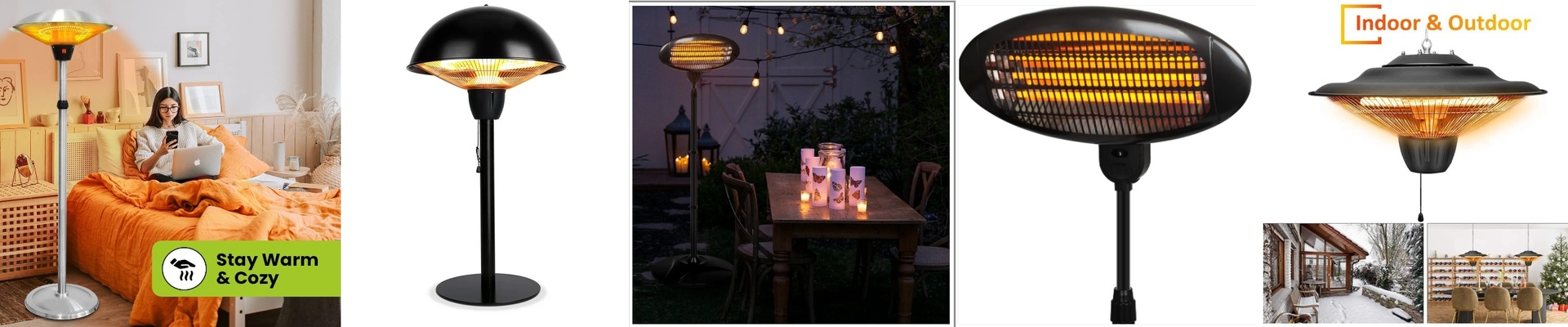
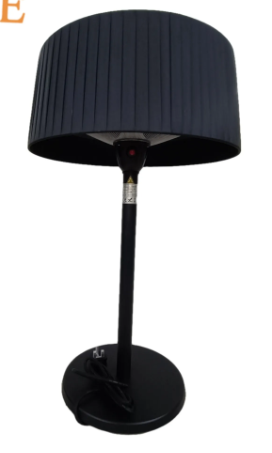
Energy prices keep climbing, and every degree on the thermostat starts to feel expensive. Comfort shouldn’t come with a shock at the end of the month. An infrared wall heater changes the math by delivering warmth where you need it, when you need it, without heating empty air. What matters, technically Infrared wall heaters use radiant heat—directional warmth that travels outward and warms people and surfaces directly. In many models, a carbon fiber element or quartz tube produces a broad, even infrared field. A low-wattage fan-forced option can supplement air movement when you want it. Most units run on standard 120V household power, so you can plug in and mount without rewiring the room. Look for a built-in thermostat for steady comfort, tip-over protection for safety, and an IP rating that makes the heater suitable for covered outdoor spots or damp bathrooms. The result is targeted heat that feels natural, not forced. Why it works in practice When bills rise, you need heating that respects your budget. Infrared warmth is inherently efficient because it doesn’t waste energy heating the ceiling or the outdoors. You feel the warmth almost instantly, so you can keep the room cooler overall and still feel cozy. That fast response means less run time, and less run time means a lower bill. In a family room, it keeps the reading nook warm while the main heater takes a break. On a covered patio, it extends evenings without the cost of running a large gas heater. Things to know before you buy Infrared wall heaters shine in focused zones, so placement matters. Mount at a comfortable height where the beam of warmth reaches seating areas, and avoid obstructions. For outdoor use, choose a unit rated for outdoor or damp locations, and protect the outlet from weather. Most models are designed for 120V circuits, but always check local codes and make sure the circuit can handle the load. In very large rooms, pairing a wall heater with a secondary heat source is often the most comfortable setup.