Getting Low-E Glass Preheating Right (Even at 3 Meters Plus)
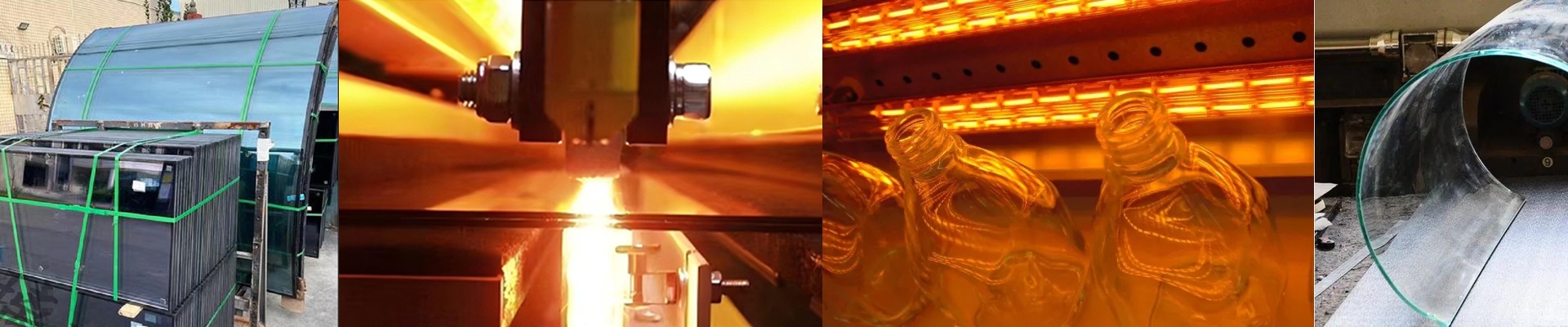
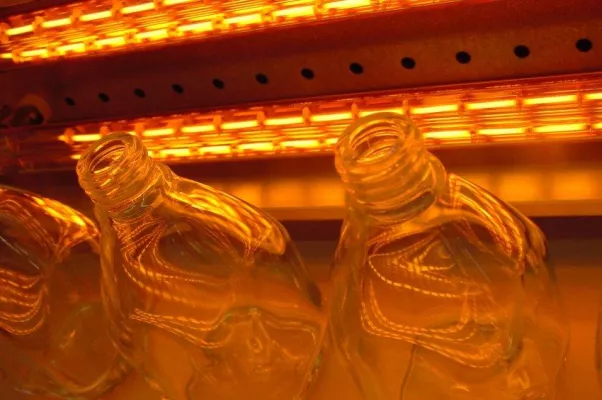
If you’re trying to preheat wide-format Low-E glass, you already know the headache: getting a perfectly even heat profile across the whole conveyor. When your sheets are over 3 meters wide, the standard lamps you find in a catalog just aren’t going to work. They aren’t built for that scale. You end up with sagging tubes or, even worse, cold spots that mess up your entire batch. That’s why we build custom quartz tubes—they’re designed to span those huge distances without breaking a sweat. The struggle with the long haul Building a unit that spans 3 meters isn’t as simple as just making a longer tube. You have to fight voltage drop and thermal expansion. We spend a lot of time obsessing over the wattage per centimeter. We spec the internal tungsten filaments so the heat stays consistent from the very first inch to the very last. If that power distribution is even slightly off, you get “zebra stripes” on your glass. And once you see those stripes, you know the Low-E coating is ruined. It’s a nightmare. Why quartz? We stick with high-purity fused quartz. It’s the only material that can handle the shock of being turned on and off rapidly without cracking. Depending on what you need, we can go with clear quartz for that deep shortwave penetration, or we can coat the tubes if you need the heat to absorb differently on the glass surface. We build them to fit your specific footprint perfectly. One thing we don’t skimp on? The wiring. We use heavy-duty terminals because a 3-meter unit puts way more mechanical stress on the end caps. We reinforce those seals tightly. If halogen gas leaks out, the filament burns out fast. Nobody wants to be replacing lamps in the middle of a production run. A few things to keep in mind These units put out a massive amount of heat, but they have their quirks. First, your oven’s support frame has to be rock solid. If your 3-meter rail bows or vibrates, that quartz is going to snap. It’s a fragile material when it’s under tension. Also, keep an eye on your electrical panels. The power draw on these is significant. Make sure your amperage is spec’d high enough, or you’ll be tripping breakers every time you ramp up to full power.