The Truth About Ultra-Long Twin Tube Heaters for Glass Kilns
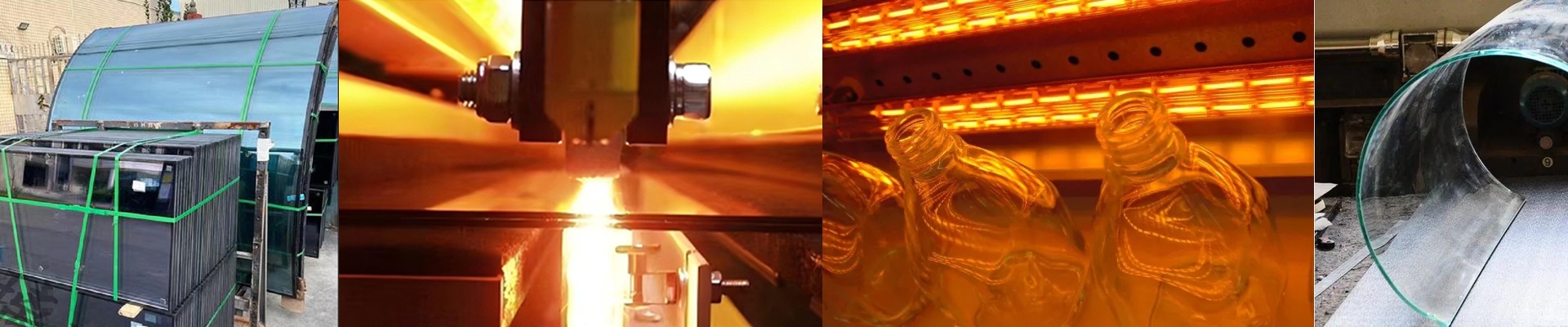
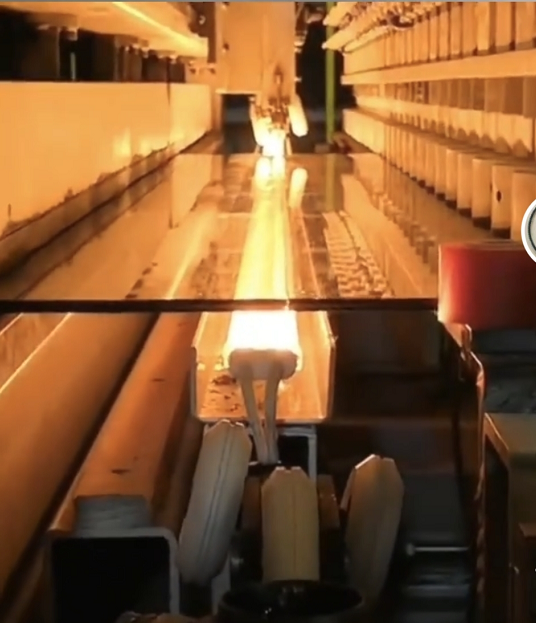
Most infrared lamps stop at 1.5 meters. That’s fine for a lot of jobs, but if you’re running a massive glass tunnel kiln, that length just doesn’t cut it. You end up overlapping short lamps, which creates these annoying cold spots. Not great when you need a steady, unbroken heat profile. To fix this, we build custom twin tube units that push past the 2-meter mark. Dealing with the power struggle Here’s the thing: when you scale a heater up to 2 meters or more, voltage drop becomes a real headache. If you aren’t careful, the tube can overheat right at the feed end. We handle this by using higher voltage configurations to keep the current under control. By going with a twin tube design, we basically double the radiating surface area without taking up more space. It’s a smart way to hit those high wattage targets without pushing the filament until it snaps. The result? Your glass gets a much more even soak. The physical side of things You can’t just use any glass for this. We use heavy-wall quartz because these long spans take a lot of mechanical stress. If you don’t support a 2-meter tube correctly, it will sag. It’s just physics. We usually suggest placing support brackets every 400-600mm to keep everything straight. We also use industrial-grade terminals for the connections. Why? Because installation can be rough, and you need parts that can take a beating without failing. What to actually expect on the floor These are built for the long haul—literally—in tempering or curing tunnels. You’re aiming for one big, steady thermal zone. But keep in mind, these long elements have more “thermal inertia.” They aren’t like short-wave lamps that snap to temperature instantly; they take a bit longer to get where they need to be. You’ll want to tune your PID controllers for that lag, otherwise, you’ll overshoot your target temp and end up with a mess. One last tip: check your cooling fans. If they aren’t rated for the total BTU output of a 2-meter array, you’re going to melt your wiring. Keep your cable runs short and stick to high-temp silicone wiring. It’ll save you a lot of stress down the road.