
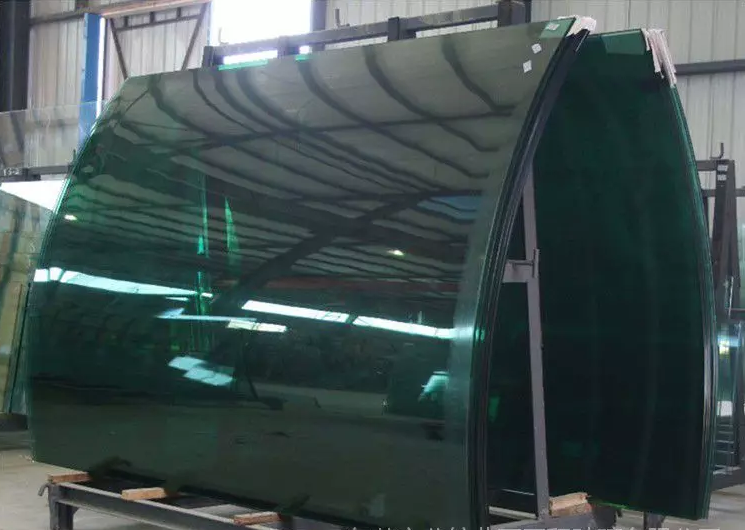
Getting the Heat Right for Silk-Screened Tempered Glass
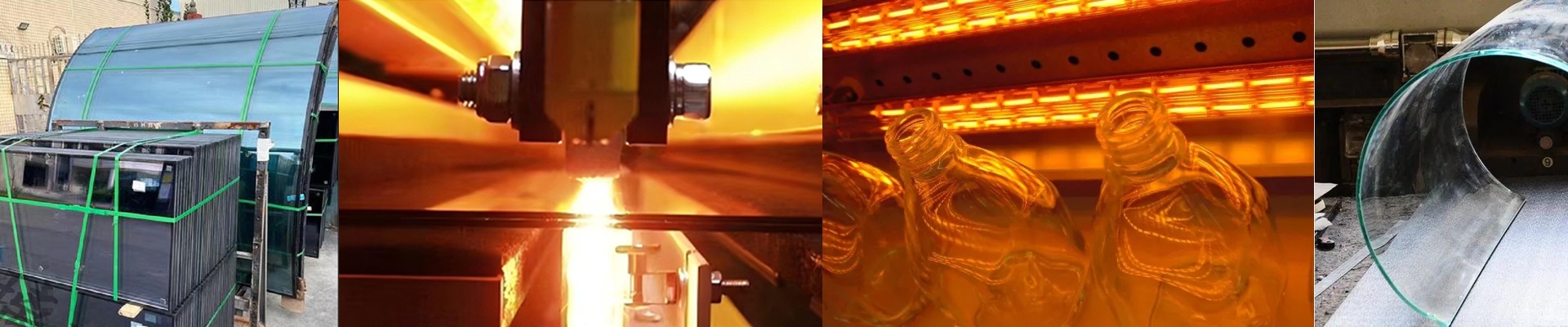
When you’re mixing silk-screen printing with tempering, you’re basically walking a tightrope with your temperatures. You need the glass hot enough to get that strength and compression, but if you push it too far, your ink starts to blur or—even worse—just burns right off. That’s where short-wave infrared (IR) lamps come in. They help us find that sweet spot. It’s all about the speed. To hit your tempering point without wrecking the artwork, you have to be precise with your wattage. We use high-density IR lamps because they ramp up the surface temperature fast. And speed is everything here. If the glass hangs around in that “lukewarm” zone for too long, the ink can actually start to migrate. That’s how you end up with fuzzy edges on a pattern that should be crisp. We set these lamps to punch the heat deep into the glass quickly, so the surface doesn’t have time to overcook. Why short-wave? It comes down to how the glass actually “takes” the heat. Short-wave IR sinks deeper into the glass than long-wave heat does. Instead of just baking the printed surface like a toaster, it gets the core of the glass up to temperature. We use quartz envelopes to keep the output high. Just a heads-up: these lamps get incredibly hot. If your conveyor slows down even a little, you’re risking a pile of scrap. Your PLC has to be synced perfectly with your line speed. If the belt slows, the power drops. Simple as that. The trade-offs you’ll face Sure, bigger lamps (like the 4kW+ tubes) cut your cycle times way down. But they’re hungry. They put a lot of stress on your electrical setup. Plus, if you’re pushing for max throughput, your cooling fans have to be working perfectly. If those reflectors warp from the heat, you’ll get cold spots. That leads to uneven tempering, and that’s when things start breaking during the quench. One last thing: keep your reflectors clean. A bit of dust might not seem like much, but it kills your efficiency and creates hot spots. A quick clean saves a lot of headaches.