Getting Low-E Glass Preheating Right (Even at 3+ Meters)
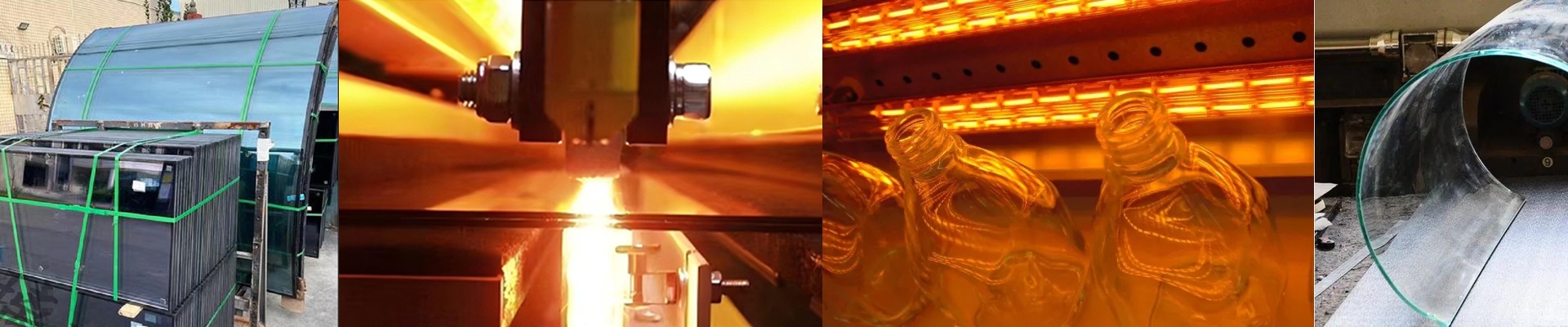
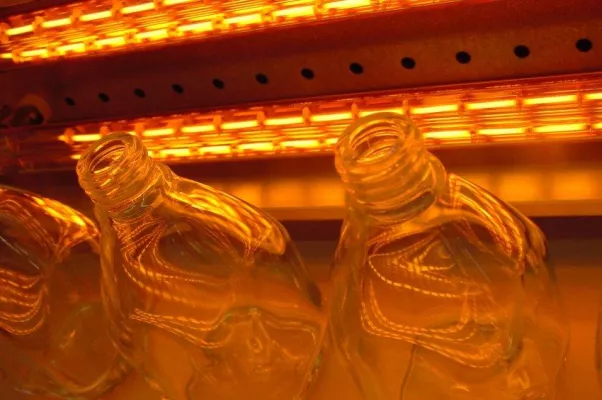
If you’re working with wide-width Low-E glass, you know the headache of cold spots. When your glass is wider than 3 meters, those standard, off-the-shelf lamps just don’t cut it. You end up with uneven heat, and in this business, that’s a recipe for disaster. That’s why we don’t do “standard.” We build infrared heating units specifically for the footprint of your baking tunnel. The struggle with long lamps You can’t just stretch a quartz tube and call it a day. Once you cross that 3-meter mark, physics starts fighting you. You get voltage drops, which means the heat density dips right in the center of the tube. Not ideal. To fix this, we get picky about the filament diameter and voltage. We want that heat to be rock-solid from end to end. We also use high-grade quartz because these things expand when they get hot. If the supports aren’t exactly right, a 3-meter tube will actually sag. And once it sags, your focal point shifts, and you’re back to square one with uneven heating. The hardware side of things Depending on how fast you need your glass to ramp up, we’ll go with shortwave or medium-wave emitters. The goal is simple: get the glass to the exact temperature it needs before the cut, without scorching the edges. We also don’t mess around with the wiring. We use heavy-duty connectors because these units live in a brutal, high-heat environment. They need to take a beating and keep running. A few things to keep in mind A 3-meter continuous unit puts out a massive amount of heat. It’s powerful, but it’s hungry. You’ll need to make sure your control cabinets can actually handle the amperage. Plus, don’t skimp on the cooling blowers. If your airflow is weak, the lamp housings will warp and the lamps will burn out way too fast from heat soak. If you want the best possible control over your temperature, we usually suggest a staggered zoning approach. It just works better.