
Introduction
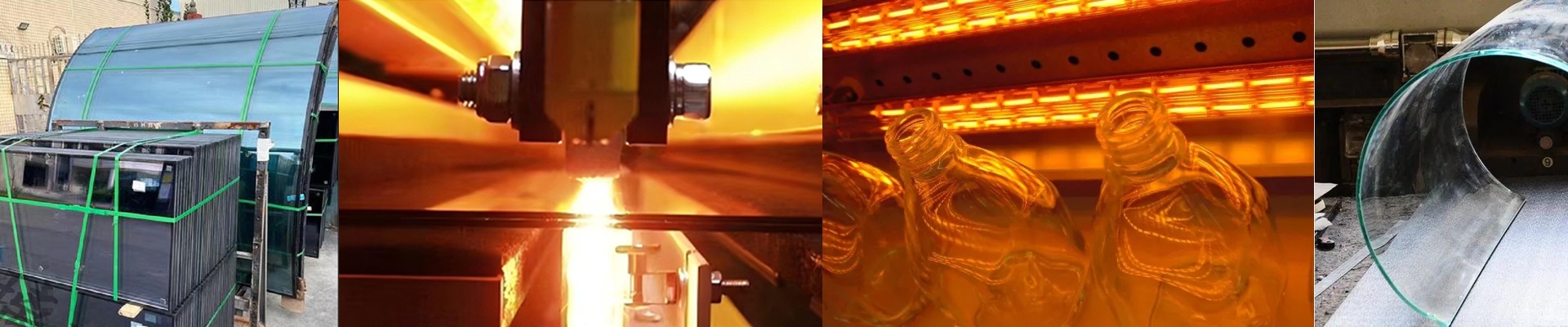
We built this infrared heating lamp for one reason: to solve the drying headache on glass frosting and printing lines. Its whole job is simple—dry the ink surface in seconds, right after printing. That way, you can stack the glass immediately without parts sticking together.
Power, Voltage, and Size—Why It Matters
This lamp runs on a shortwave infrared halogen design. It’s typically 2500W at 400V, with a tube around 300mm long. That size isn’t random. It packs a lot of heat into a tight space—exactly what you need for quick surface drying, not a slow warm-up. And the 400V supply helps keep the current lower on the line, so you get less voltage drop and less copper loss over distance.
The Inside Story: Halogen, Coating, and the R7s Connection
Inside the quartz tube, the halogen element keeps resistance stable and output consistent, even when the lamp cycles on and off with the printing automation. No mood swings. Just steady performance. The tube is coated to focus the infrared energy and to handle the thermal shock of rapid start-stop cycles. The R7s double-ended connector is the industry standard for this shape, so it fits securely and makes solid contact. Plus, it means the lamp is a straightforward drop-in replacement on most printing lines.
What It Does for You—And the One Thing to Plan For
On glass frosting and ink printing lines, drying is usually the bottleneck. If the ink stays wet, stacked sheets or parts stick together—and that turns into scrap. With this lamp, the surface dries in seconds, so you can move straight to stacking and curing without blocking. Now, the trade-off is real: that high heat density needs proper cooling and clearance. Set up the airflow and shielding to match, and the lamp runs reliably while your line keeps moving.