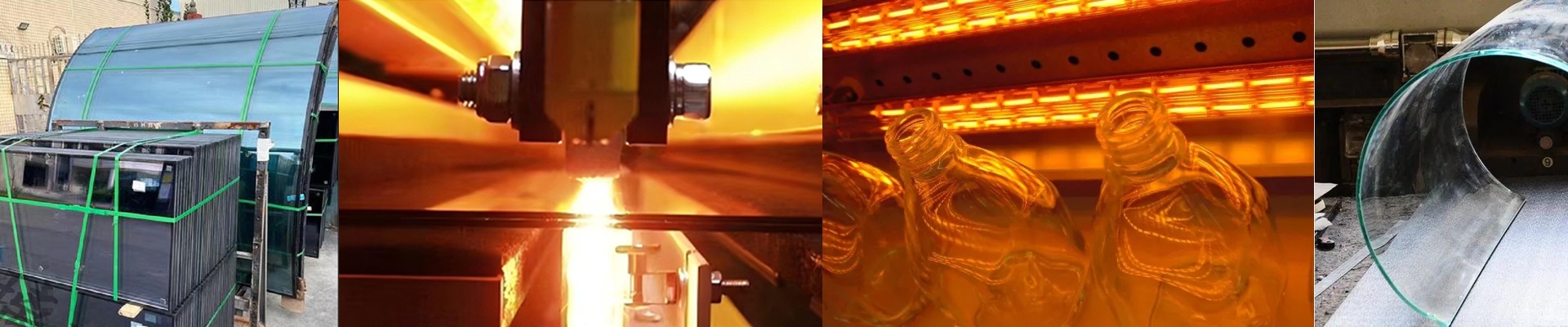

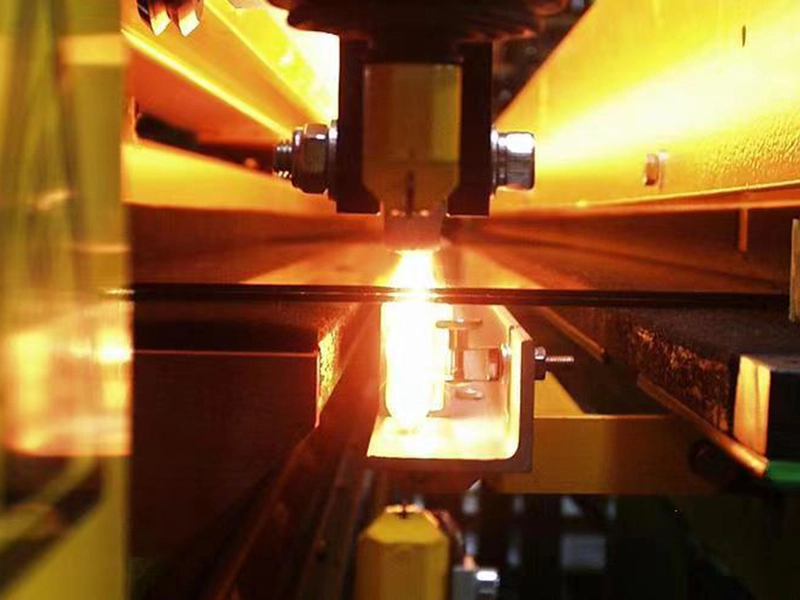
Out on the line, the furnace isn’t a “feature.” It’s the limit. When the refractory heaters lag, you get temperature spread across the hearth, glass that bows unevenly, and tempering stress that shows up later as breakage on inspection. Uptime slips, scrap climbs, and the energy bill climbs with every recovery cycle. What matters under the hood We build these glass furnace refractory heaters around medium-wave infrared elements, packed into a dense, refractory-backed assembly. The emitters hit fast response and high power density without leaning on convection to push heat into the glass. Standard units run 230–460 V, with watt densities matched to the furnace zone—higher at the load entry, controlled where the profile has to hold. The housing uses high-temperature insulation and a tough terminal setup, so the heat stays in the process, not in the structure. You keep output stable by holding emissivity tight and keeping element geometry repeatable. Why this works in tempering and bending In tempering and bending, the furnace profile is the product. These heaters rebuild and hold the thermal field you need, so the glass hits target temperature uniformly—less thermal stress, less optical distortion. When the door opens, recovery is quicker, so the line keeps moving and you don’t get temperature sag. Energy use drops because the system heats on demand and holds steady without overshoot. In practice, that means fewer rejects, fewer heater swaps, and cycle times you can count on. What you need to get right These are engineered as direct-replacement modules for common furnace footprints, but alignment and contact at the mount are the difference between “fine” and “fine for a while.” Poor seating creates hot spots and chews up element life. Before you change over, verify voltage and your zone control strategy—medium-wave systems need controls that can keep up, or you’ll see overshoot. Plan on a short commissioning window to dial the profile for your glass thickness and cycle.