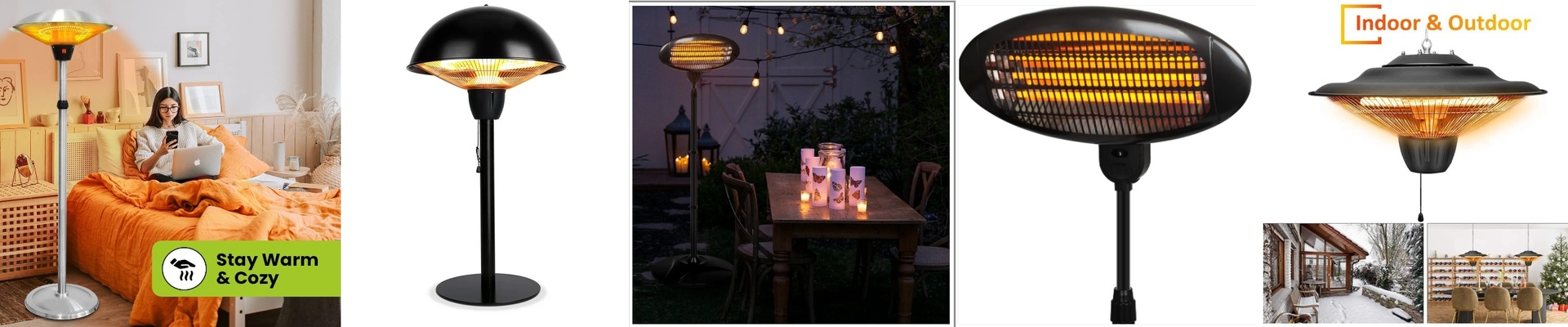
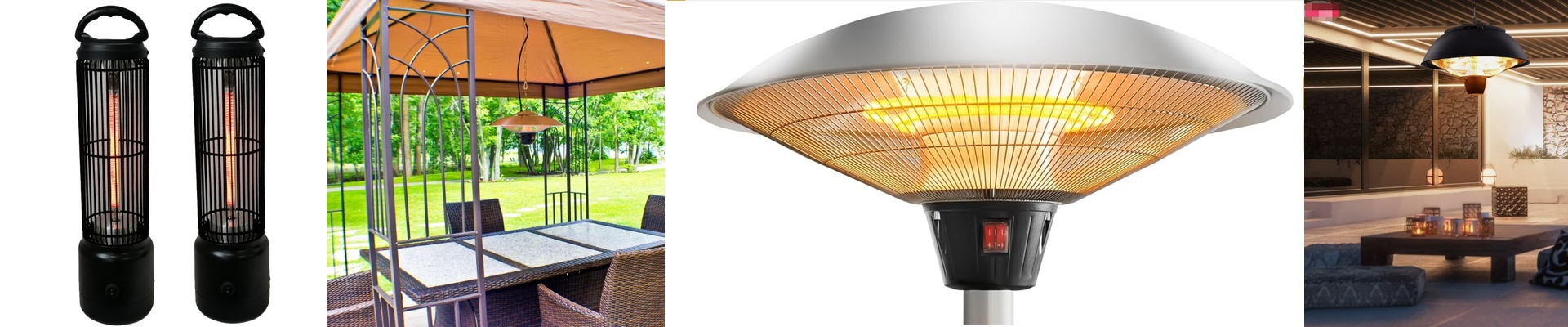
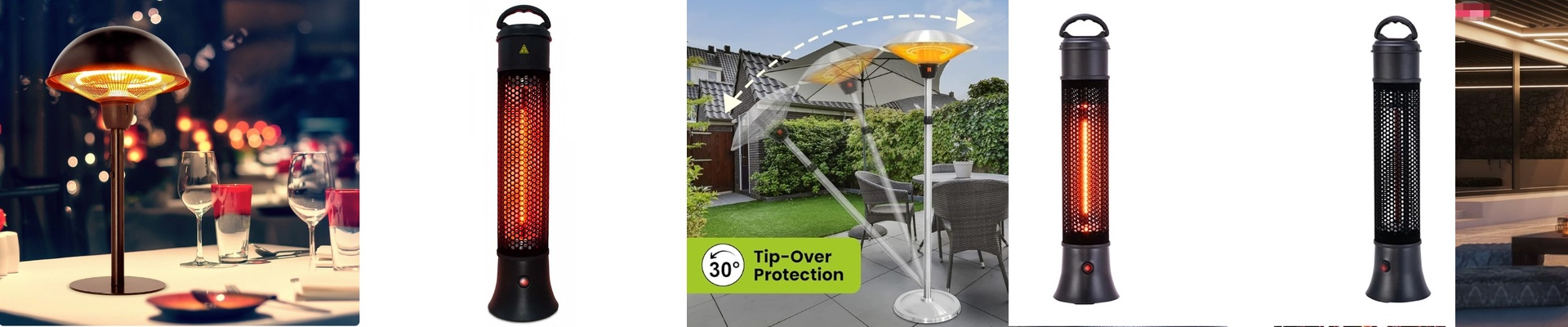
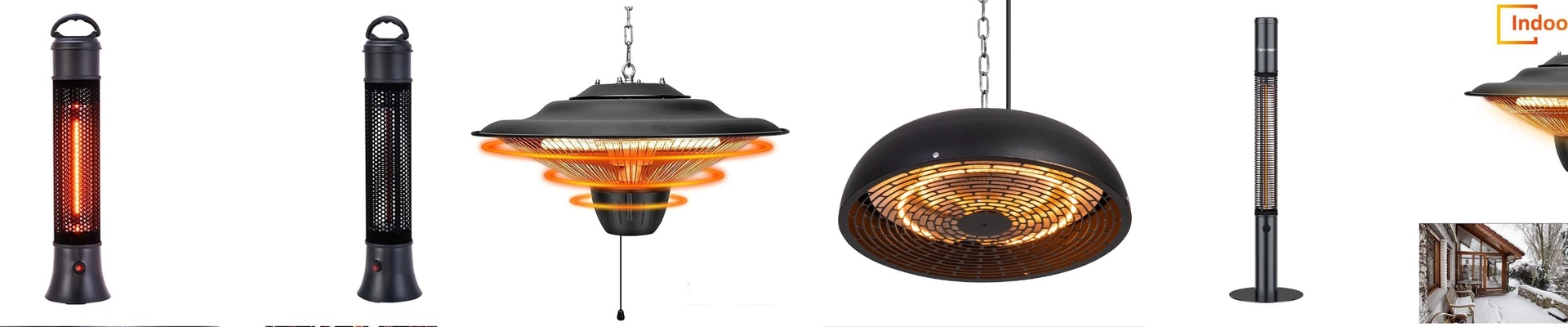
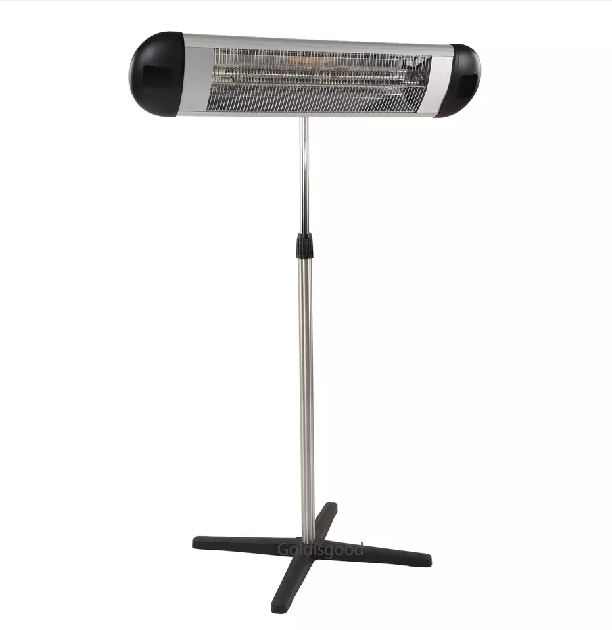
Ten years in the infrared heating game isn’t just a milestone—it’s a decade of prototyping, testing, and tuning based on what actually survives when the weather turns. We cut our teeth in the workshop, running early units through conditions most patio heaters never see: damp mornings, gusty evenings, and the constant jolt of being moved, plugged in, unplugged, and left outside. The target never changed: infrared warmth that hits fast, stays steady, and doesn’t quit.
What matters under the hood
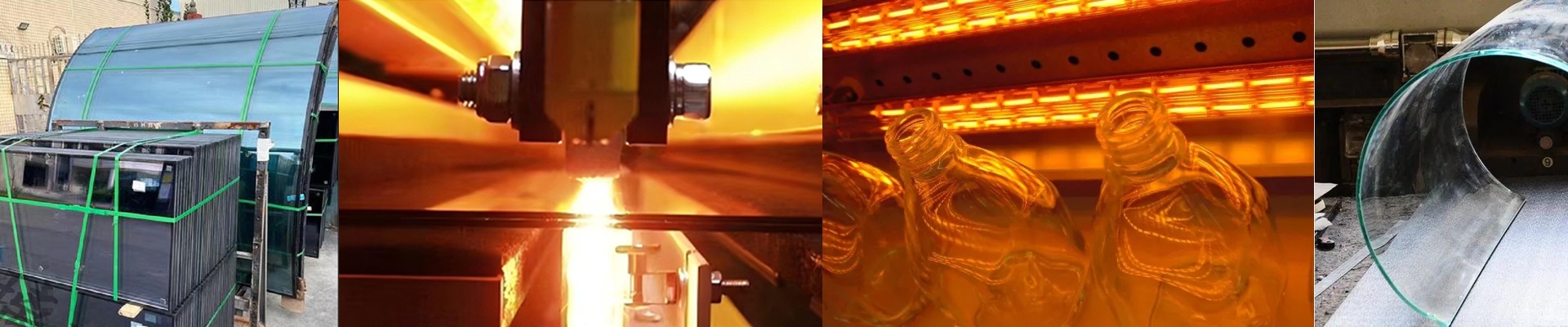
These 12V and 24V electric heaters are built around radiant heat, so the warmth goes straight to people and objects instead of trying to heat the air around them. The element fires up quickly, and a tight reflector pattern puts the heat where you need it. Low-voltage operation keeps the current manageable, so you can run the heater off common battery banks and vehicles without pulling out heavy wiring.
Why this approach fits real outdoor life
Out in the yard, on the deck, or even by the workbench, the real frustration is waiting. With infrared warmth, comfort arrives within seconds—no long warm-up, no drafty air movement. That makes a difference when you’re grilling late, talking outside after dinner, or trying to keep hands nimble during a weekend project. And the low-voltage design matches how outdoor power is used now: portable power stations, vehicles, and compact setups that were never designed around high-draw appliances.
What to watch for
Match the heater to the source. A 12V system is the right call for smaller setups; step up to 24V when you want more output while keeping the same low-voltage simplicity. Because infrared heat is directional, aim the unit so it covers the main seating area—not the empty sky. Keep it protected from direct rain and standing water. These are built for outdoors, but water intrusion will trip up any electrical device. Follow the basics on the electrical side: proper fusing, solid connections, and a secure mount so the beam stays where you want it.