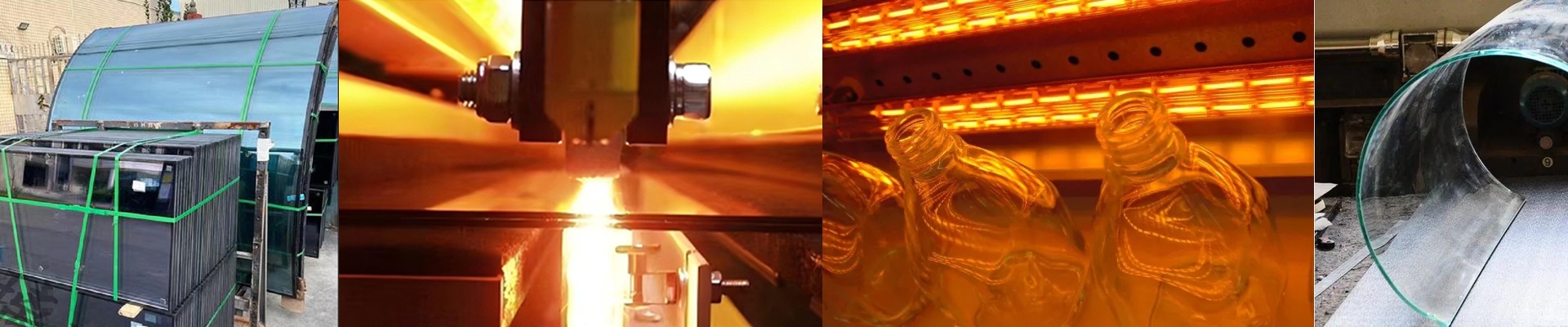
Let’s Talk About Glass Annealing Bulbs
If you’ve ever had a piece of glass shatter for no apparent reason, you know the frustration. Usually, it’s internal stress. That’s where our annealing bulbs come in. Their whole job is to get that stress out without shocking the glass into a million pieces. We use high-purity quartz for these. Why? Because the infrared heat needs to actually “sink in” to the borosilicate or quartz you’re working with. If the heat hits unevenly, you’re just waiting for a crack to happen.
It’s Not Just About Wattage
A lot of people just ask for a bulb with a certain wattage, but that’s not how it actually works. It’s all about the heat flux. Think of it this way: if you cram a high-wattage lamp into a tiny space, you create a massive temperature jump. Drop a cold piece of glass into that, and snap. We don’t just guess; we look at how thick your glass is and how long it needs to soak to figure out the right voltage and wattage for your specific setup.
The Quartz Struggle
Quartz is great, but it’s a bit of a diva. A single fingerprint or a smudge of oil on the bulb can create a localized hot spot. Those spots eventually warp the quartz or just burn the bulb out way too early. To help with that, we sometimes add special coatings. It basically pushes the heat back inward, making the whole thing run a lot more efficiently.
The Balancing Act
Sure, more power means you hit your temperature faster. But there’s a catch. Your PID controllers have to be quick enough to keep up, otherwise, you’ll overshoot your target. If your heating element is too big for your chamber, you’ll spend your entire shift fighting temperature swings instead of actually getting work done. It’s a headache you just don’t need.
Why We Come to You
Most shops try to find a “drop-in replacement” by looking at an old spec sheet from ten years ago. Honestly? That’s a mistake. Your current setup might be struggling because your reflectors are oxidized or your wiring is shot. We’d rather just come by your shop, walk the floor, and see how the heat is actually moving. Swapping a bulb is the easy part. The real win is fixing the entire thermal profile of your cycle so you can stop worrying about your glass breaking.