Getting the Heat Right: The Truth About Annealing Spectacle Glass
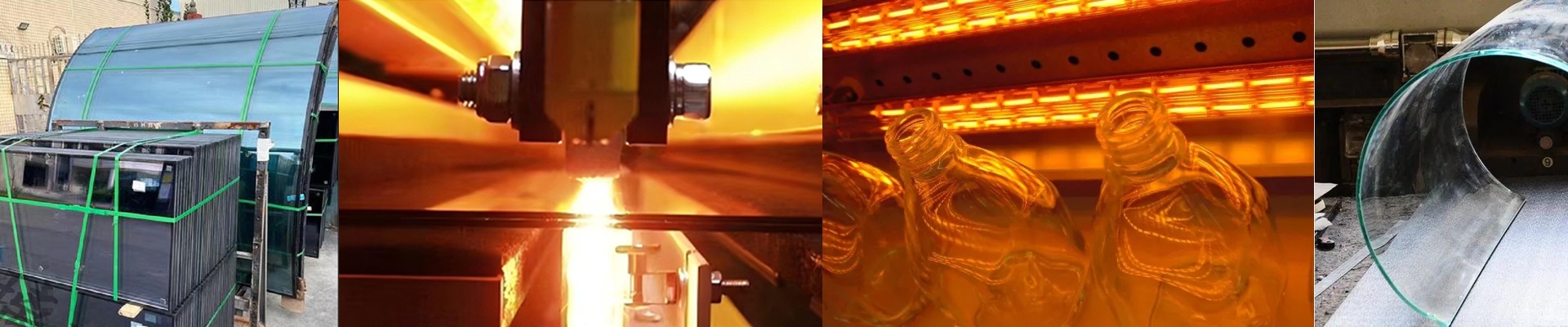
If you’ve ever worked with spectacle glass, you know the struggle. You need to get those internal stresses out without warping the lens into something useless. It’s a delicate balance. That’s why we use quartz halogen lamps. But let’s be clear: these aren’t your average heaters. They’re precision tools. If the heat flux is off, your lenses are toast. The Balance of Power and Voltage Here is the thing about wattage and voltage—it’s all about heat density. If you’re dealing with thick glass, you need a high-wattage tube to get that temperature ramping up quickly. But there’s a catch. That puts a lot more pressure on your power supply. Now, if we bump up the voltage for a lamp of the same length, the surface gets hotter. You get your heat faster, sure. But if your ventilation isn’t dialed in perfectly, you’re just asking for a burnt-out filament. That’s why we always check your current draw and line voltage first. We want to make sure the lamp doesn’t just pop the second you flip the switch. Quartz and Connections We stick with high-purity quartz envelopes because they can handle the constant swing from cold to blistering hot without cracking. Sometimes, we even use specific coatings. This helps the infrared heat actually soak into the glass instead of just bouncing off the surface. As for the fit, we usually go with R7s or Sk15 connectors. They just work. They slide right into most industrial setups and grip tight, so they won’t shake loose when the production line is humming along. Why We Actually Visit Your Shop Anyone can sell you a lamp. That’s the easy part. The hard part? Getting the thermal profile actually right. A lamp can look perfect on a datasheet but fail miserably in your machine because a reflector is slightly crooked or the spacing is off by a fraction. We prefer to get our hands dirty with field diagnostics. We want to see where the heat is pooling and find those annoying cold spots in the annealing zone. It’s the only way to stop lenses from warping and keep your scrap pile small. We aren’t just shipping you a part—we’re fixing your heat map.