
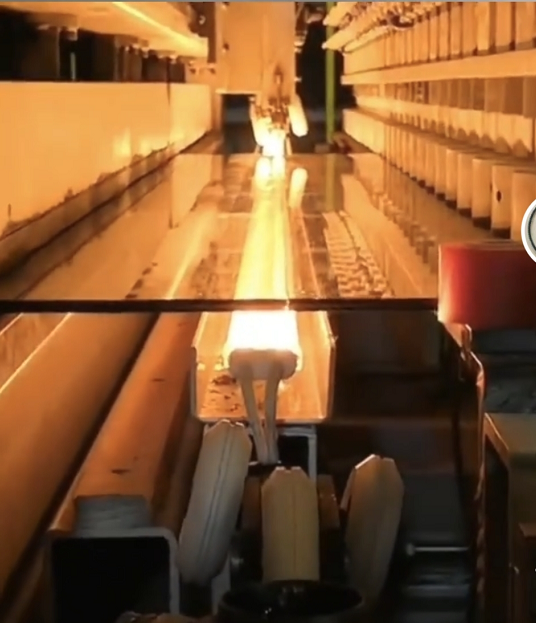
Engineering High-Density Infrared for Mobile Glass Bending: The Power-Space Trade-off
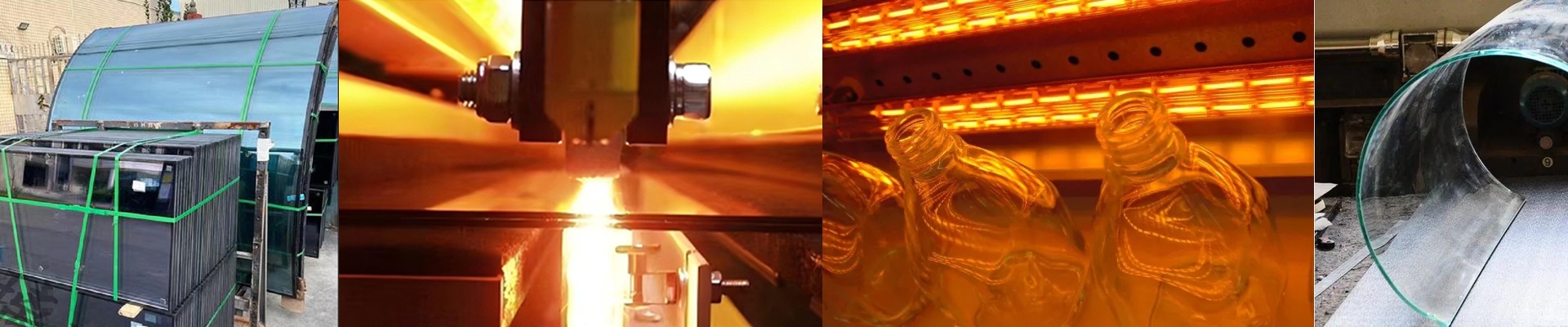
We build mobile glass repair rigs, and honestly, the core challenge never changes. How do you squeeze industrial heating power into a compact frame that runs on limited voltage? You need serious heat to bend glass on-site, but you can’t just run a 220V line to a truck bed. So we built a shortwave infrared halogen lamp system from the ground up, designed specifically for life on the road.
Technical Deep-Dive: Power Density in a Small Footprint
To get the heat you need, we spec a 400V, 2500W shortwave infrared tube. The voltage is non-negotiable—it gives us the power we need without drawing too much current. We keep the tube length to just 300mm so it fits into tight spaces, but that creates a lot of heat density. You get fast, focused energy. But that also means the surrounding electronics and the rig itself have to be built to handle the heat. The physics are simple: pack a lot of power into a small space, and you’re going to generate a serious thermal load.
Material & Design: Why Halogen and R7s?
We use a quartz halogen tube because it delivers the instant-on, high-intensity heat that glass work demands. The halogen cycle keeps the filament stable, which means a longer operational life and consistent output. And the R7s connector? It’s the industry standard for a reason. It’s a tough, two-pin end-cap that handles high current and high temperatures without melting or arcing. For a mobile rig that takes a beating on the road, it’s simply the most reliable way to wire up the heating element.
Application & Benefits: The Mobile Repair Reality
Out in the field, you don’t have the luxury of a fixed workstation. Our integrated infrared system is designed to be a drop-in replacement for standard setups, just with a much smaller footprint. It hits the temperature you need for glass bending and repair without requiring a dedicated high-voltage supply. The trade-off? Thermal management. You get a portable, high-power tool, but you have to build the enclosure to handle the heat. That’s the reality of mobile engineering—balancing raw output against the physical limits of the vehicle.