
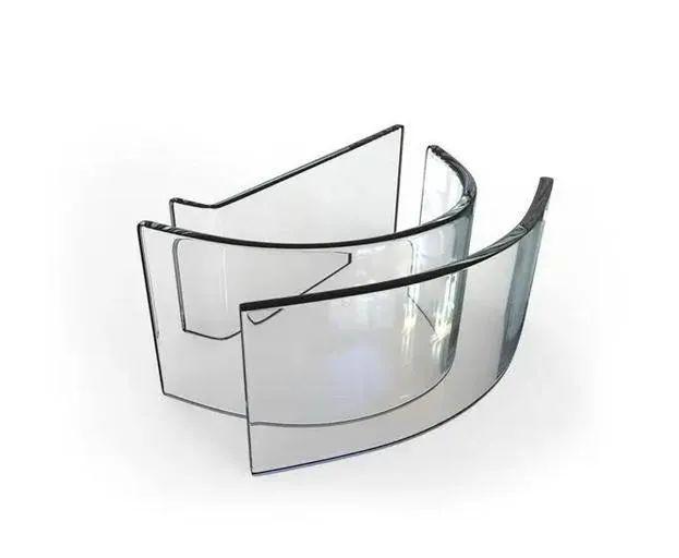
The Headache: Edge Chipping Before the Cut
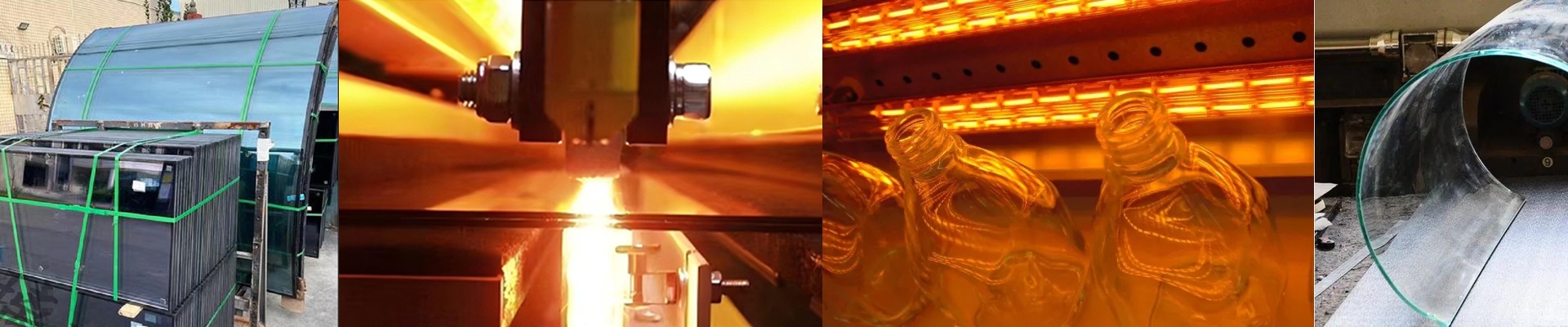
Let’s talk about cold glass. You just can’t cut it cleanly. The moment the cutting wheel hits that cold edge, the shock and stress send tiny fractures shooting outward. You know the result: chipping, a rough edge, and wasted material. So, we built an industrial infrared heating lamp to fix this. It preheats the edge of the glass, creating a smooth, even band of heat that eases that internal stress. The payoff? Chipping drops way down, and you get a clean, perfect score line. Every single time.
Power and Specs: Why We Chose 400V, 2500W
Here’s the thing about this lamp: it’s built around a 400V, 2500W shortwave infrared halogen element. Why that specific combo? Because it packs a ton of heat into a small space. It heats up the target zone fast, without needing a giant, bulky enclosure. The 300mm tube length is a perfect fit for standard edge-preheat zones on cutting lines. So it just drops right in. No redesign needed. And that 2500W power? It hits the preheat temperature in seconds, so your line keeps moving.
What It’s Made Of: Halogen, Quartz, and the R7s Connector
Inside, you’ve got a halogen-filled shortwave infrared element, all housed in a quartz tube. The halogen gas keeps the filament stable, even at scorching temperatures. That means you get consistent performance, over and over again. The quartz tube is tough—it handles the heat cycles and the vibration of the shop floor without blinking. And the R7s connector? It’s a simple, two-pin fit for common industrial sockets. You wire it up quickly and it locks in solid. This isn’t some delicate piece of equipment. It’s a tough, no-frills build that can take a beating and just keep running.
Real-World Use and the Payoff
Use this lamp right before the cutting wheel. It creates a narrow, controlled band of heat that softens those tiny flaws and stops the glass from shattering. The result is a cleaner cut, fewer rejects, and way less rework. Plus, because it heats up so fast, you can keep your throughput high. Now, one thing to keep in mind: that 2500W output means you need proper cooling and heat management in the machine enclosure. You’ve got to protect the nearby components and keep things running stable.