


How to Stop Your Glass Bottles From Shattering
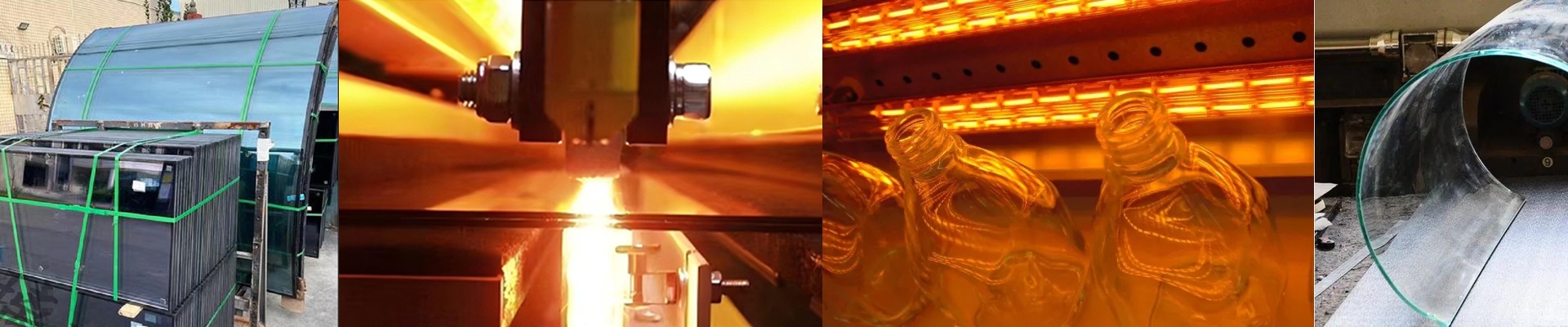
If you’ve ever tried to cut or shape glass bottles, you know the struggle. It’s a balancing act. Heat it too slowly, and you’re just wasting time. But if you crank the heat up too fast without a plan?**Boom.**The internal stress takes over and your bottle ends up in a thousand pieces. That’s why we use shortwave infrared (SWIR) lamps. Think of it as a controlled “flash” of heat. It gets the glass exactly where it needs to be for a clean, crisp break without the drama.
Getting the Power Right
Here is the thing: you can’t just flip a switch on and off and hope for the best. That’s a recipe for thermal shock. You need a system that can pivot instantly. Shortwave IR lamps are great because they react to voltage changes almost the second they happen. When you hook them up to an SCR or a fast-switching PID controller, you can ramp the heat up or down in milliseconds. It’s all about the “delta”—the temperature difference between the cut line and the rest of the bottle. If that gap gets too wide, the glass snaps. By modulating the power quickly, you keep that difference in a safe zone. You hit your target temperature for the cut, but you don’t let the heat soak so deep that it ruins the rest of the piece.
The Trade-off: Heat and Hardware
Now, to get that energy to penetrate the glass quickly, you need high wattage. But there’s a catch. When you’re running these lamps at full tilt, they put out a massive amount of ambient heat. If you aren’t careful, you’ll melt your lamp sockets or fry your wiring. You’ve got to be smart about your housing and make sure your cooling fans are actually doing their job.
Real-World Setup
When you’re actually wiring this up on the shop floor, pay attention to your connectors. Make sure they can handle the current. A loose connection at the lamp head isn’t just a nuisance—it creates a hot spot that’ll burn out your equipment way faster than it should. If you’re just messing around with a DIY setup, a dimmable transformer might get you by. But if you’re running a real production line? You need a dedicated power controller. It’s the only way to get the same result every single time and keep those bottles in one piece.