Picking the Right Power for Your Defogging Mirror
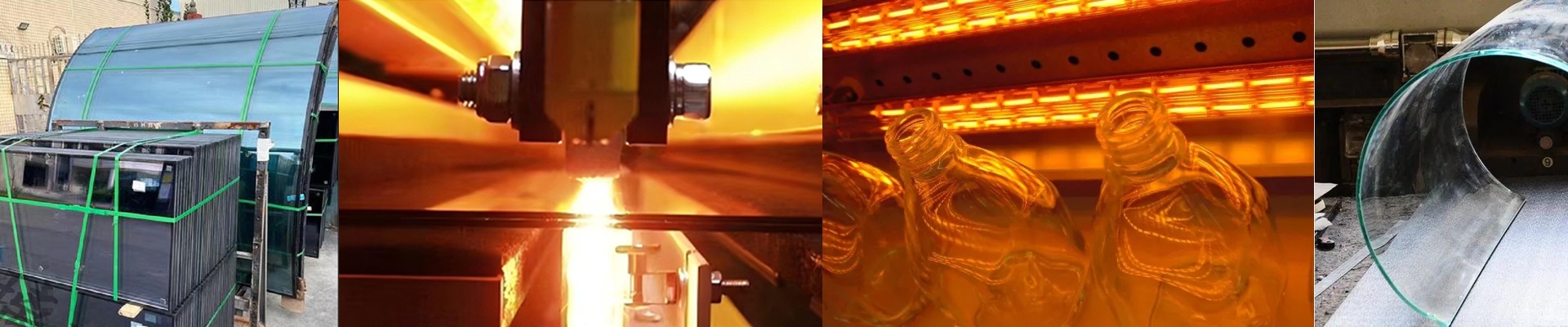
Ever step out of a hot shower and realize you can’t see a thing in the mirror? It’s annoying. To fix it, you have to get the glass temperature higher than the “dew point”—basically, the point where steam turns into those annoying little droplets. We use shortwave infrared lamps for this. The cool part? They heat the glass directly, not the air in your bathroom. You don’t want a sauna; you just want to see your face.
Getting the Wattage Right
You can’t just grab any lamp and hope for the best. It’s all about the size of the mirror. If you’ve got a small vanity in a half-bath, keep it light—somewhere between 30W and 60W. Go too high and you risk cracking the glass or stressing the backing. But for those big, full-length mirrors in a master bath? You’ll need more muscle. We usually go with 100W to 250W. This makes sure the middle of the mirror clears up just as fast as the edges. If you go too low, you’ll end up with “cold spots”—those stubborn patches of fog that just won’t budge.
The Trade-offs
The best thing about shortwave lamps is that they’re instant. You don’t have time to wait ten minutes for a mirror to warm up while you’re trying to shave or do your makeup. We use quartz envelopes to make sure that heat actually gets into the glass where it belongs. Just a heads-up on the electrics: more power means a bigger draw on your circuit. Keep in mind that your bathroom is already working hard if you’re running a hair dryer and a heater at the same time. Make sure your wiring can handle it.
Saving Energy (and Your Sanity)
Don’t just leave the lamps running 24/7. That’s a waste of money and it’ll burn out your bulbs way too fast. The smart move is to wire them into a timer or hook them up to your ventilation fan switch. That way, they only kick in when you actually need them. A well-matched lamp should clear the fog in under two minutes. If you’re still staring at a cloudy mirror after that, your wattage is probably too low for how humid your bathroom gets.