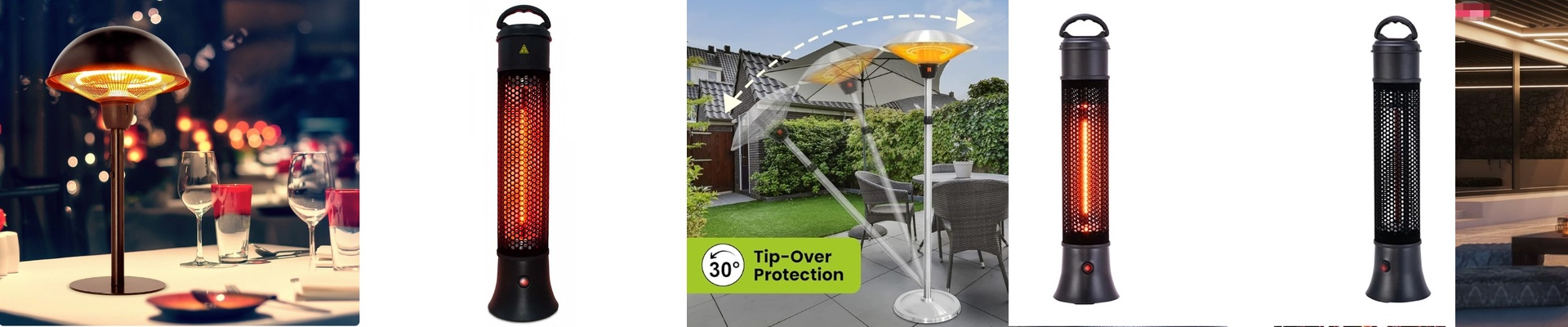
New-Gen Infrared Heaters: The Real-World Fix for Winter-Proofing Open-Air Restaurants
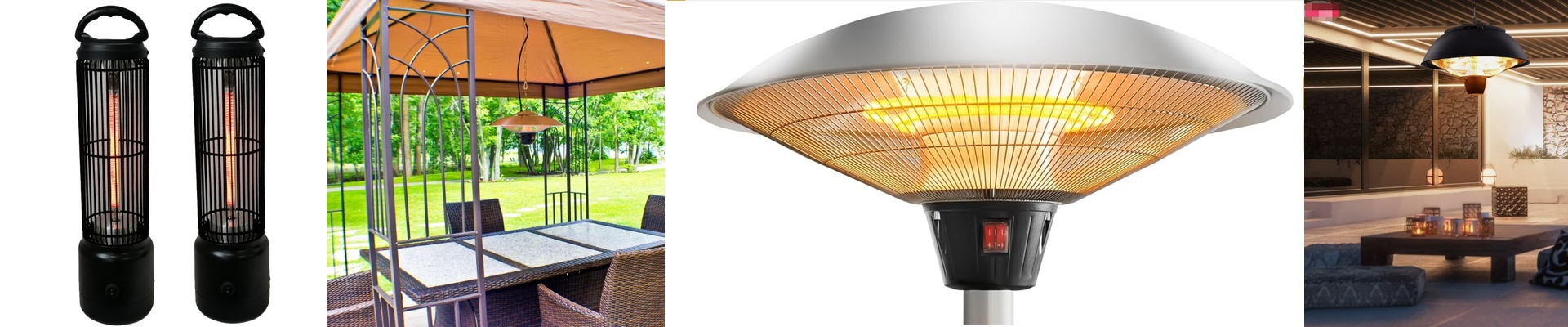
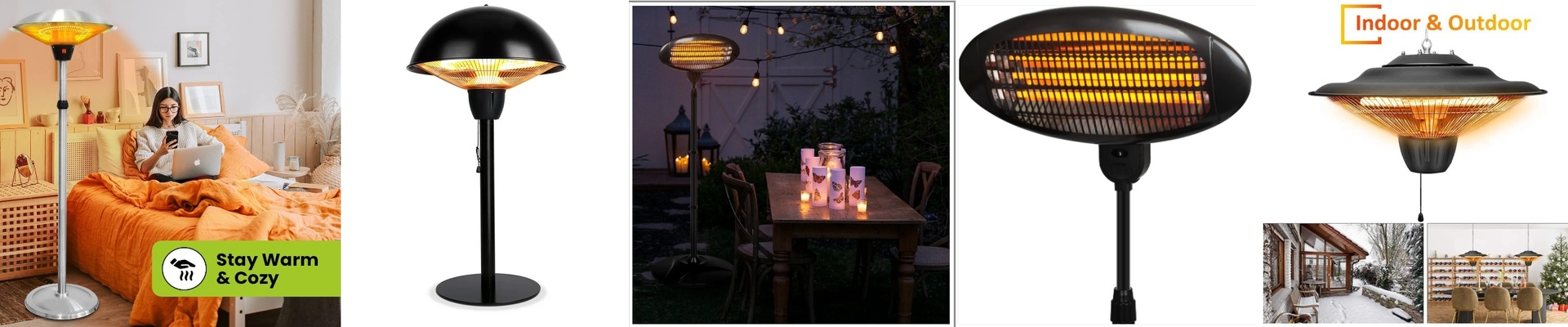
Let’s talk about the cold truth of outdoor dining. When the temperature drops, open-air spaces get quiet fast—because customers don’t stick around in the chill. And those old forced-air heaters? They blast warm air everywhere, waste energy on empty space, and hum loud enough to ruin the vibe. We built our new-gen infrared heaters to solve that problem at the source. Instead of heating the air, they target what matters: the people and the surfaces around them. That’s how you keep outdoor seating comfortable—and profitable—all winter long.
Power, Voltage, and Output: Built for the Busy Season
These aren’t backyard patio heaters. They’re commercial-grade workhorses, designed for the kind of demand restaurants actually face. The key is the high-wattage, shortwave infrared output. It delivers intense radiant heat the moment you flip it on—no waiting around for a pre-heat cycle. And they’re made to plug into standard commercial electrical setups. We spec them for robust industrial voltages, so you don’t need a custom transformer or a major electrical overhaul just to get the heat going. Because the power density is high, one heater can cover a large area. That means fewer units per square meter, fewer headaches, and a cleaner installation. Just one thing to keep in mind: high output means more heat in the immediate area. Make sure you have proper ventilation, and check that nearby equipment can handle the warmth. It’s simple planning, not a surprise.
Materials and Design: Tough, Simple, and Serviceable
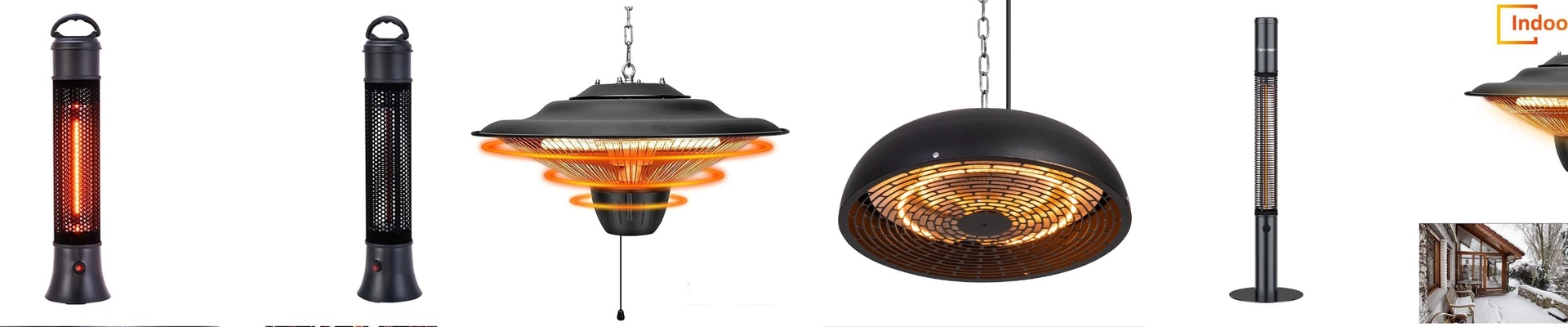
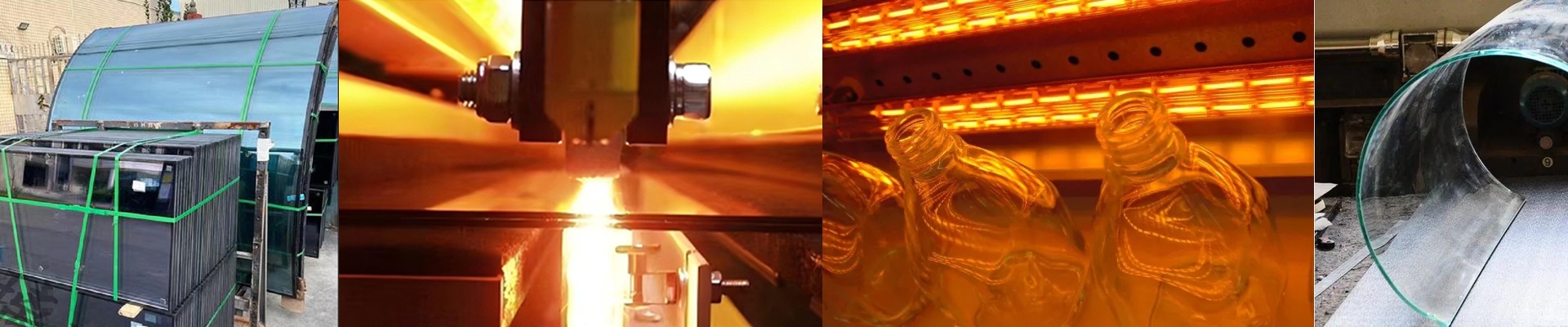
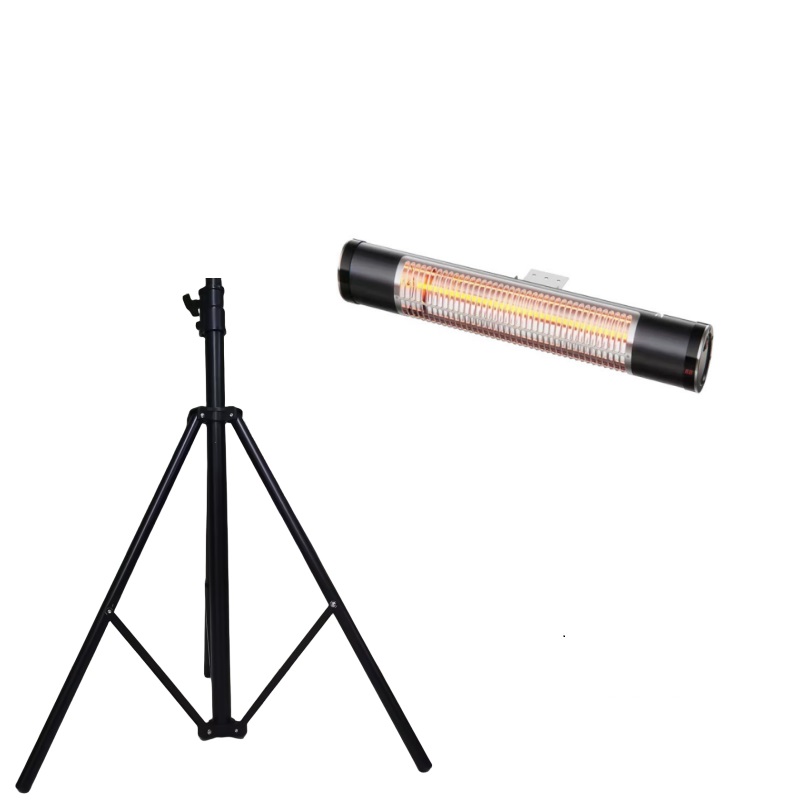
The heating element uses a halogen-filled quartz tube. That design keeps the filament clean by cycling the halogen gas, which helps extend the life compared to standard elements. The tube also handles thermal shock well, so rapid on-off cycling isn’t a breakage risk. Installation is straightforward, too. We use an R7s connector—a standard two-pin end-cap setup—so it’s a drop-in replacement for many existing commercial infrared fixtures. Wire it the same way as the old unit, and you’re done. Minimal downtime, no re-engineering. And the size? Compact. You can mount these over tables, along the edges of the space, or tucked under awnings. They fit where you need them, without taking over the layout.
The Bottom Line: Heat That Actually Moves People (and Revenue)
Outdoor heating isn’t just about warmth. It’s about seats. Infrared heat is directional, so it creates a kind of “thermal bubble” around tables. That makes outdoor seating feel viable even on cold nights, which directly increases how many customers are willing to sit outside. More seats means more capacity. Operationally, it’s a relief. The heat-up is fast, so you can turn the system on right before service and have the area ready when guests arrive. The warmth stays focused on the seating area, so people feel comfortable without the whole space feeling overheated. That focus is what keeps energy use under control while protecting your margins. And when winter occupancy goes up, the result is clear: higher turnover and steady revenue during the off-season. In other words, you don’t have to shut down outdoor dining when it gets cold. You just heat it smarter.