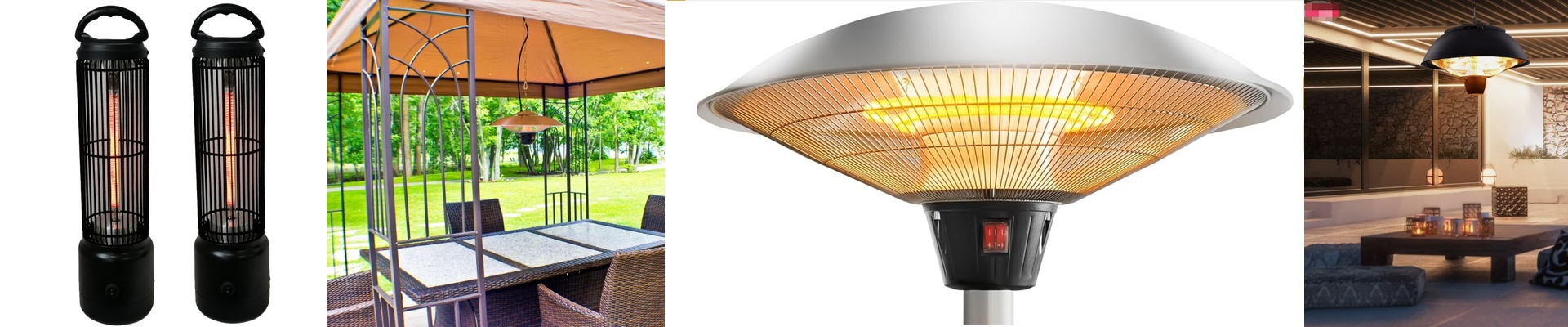
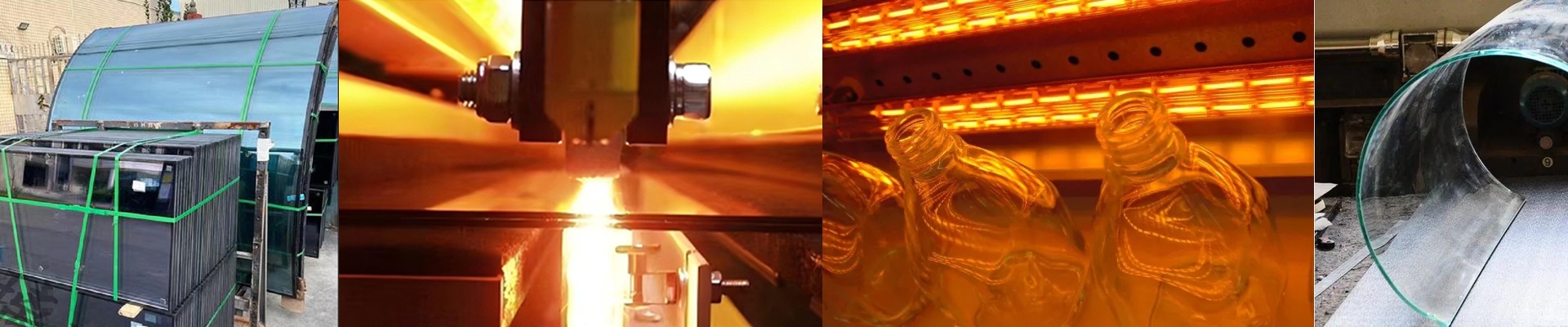
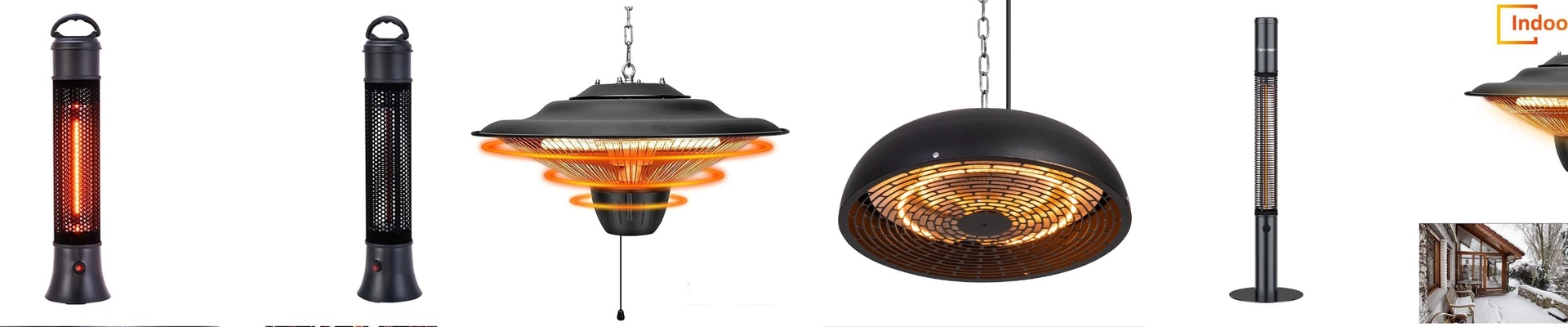
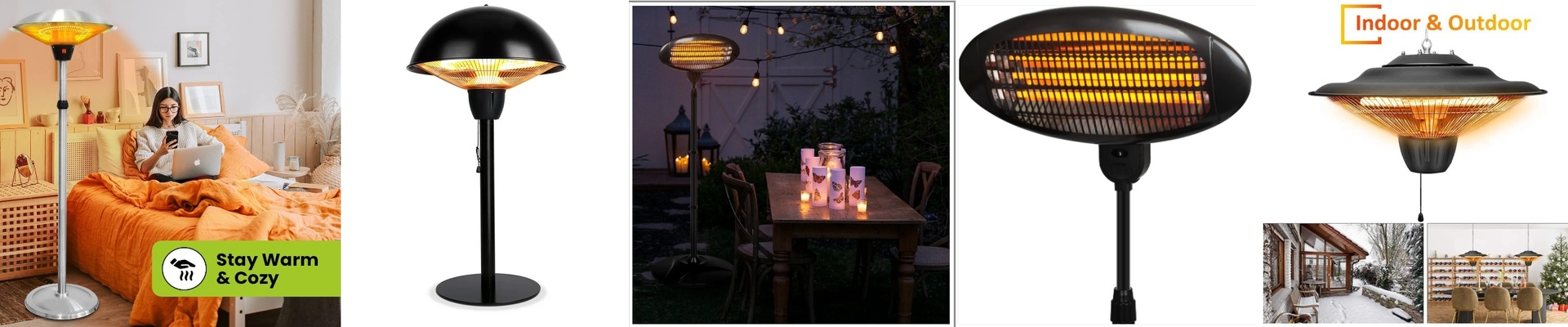
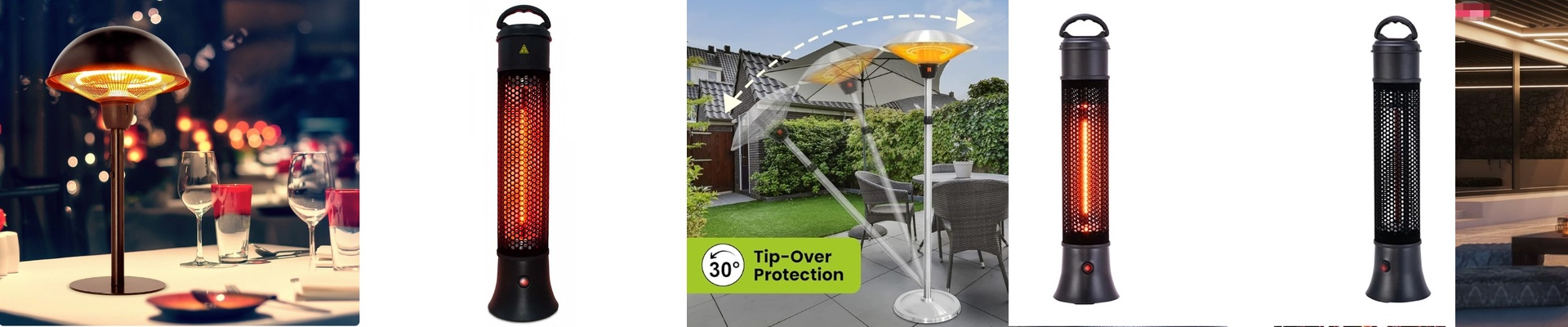
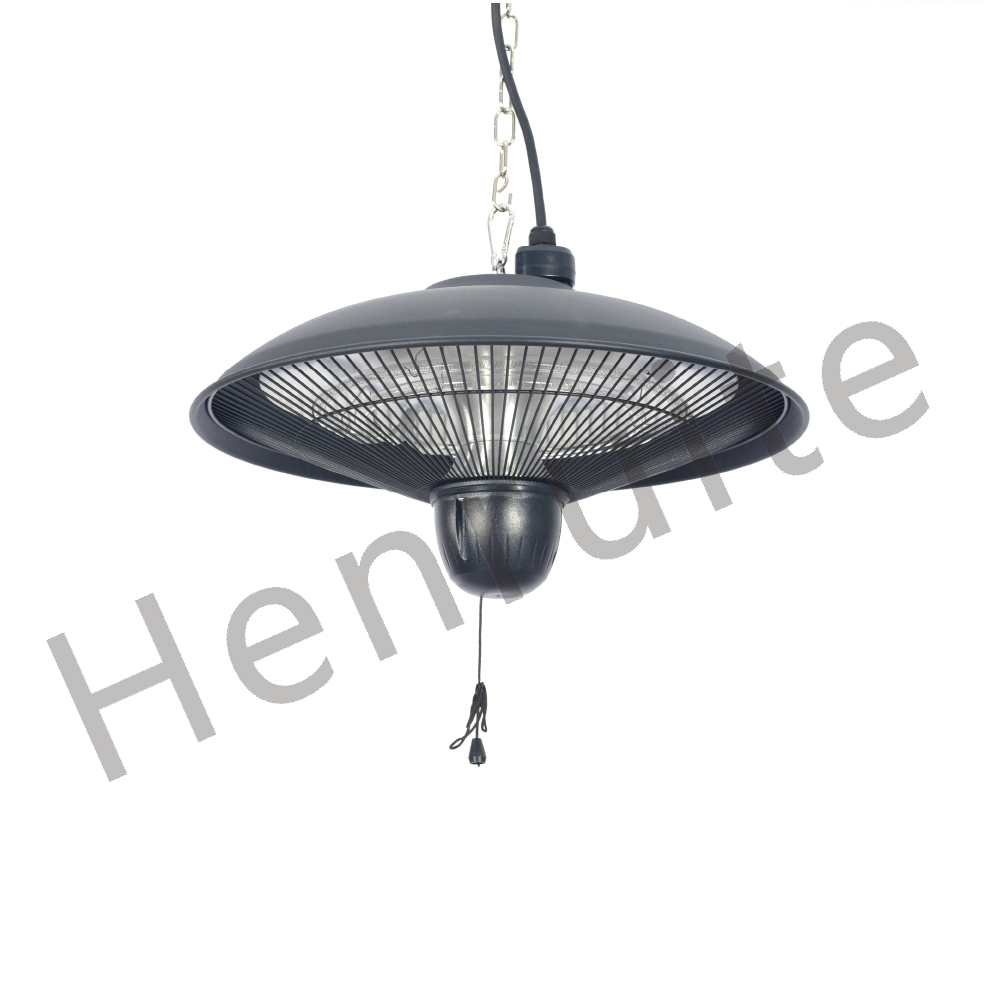
Stepping into a cold dressing area after a shower is a sharp reminder that comfort can vanish in an instant. We built our low-noise infrared electric heater to flip that feeling fast—no fans, rattles, or vents to get in the way. The space settles into calm, warm, and quietly premium—the kind of comfort you expect from a five-star hotel suite. What matters under the hood This infrared electric heater delivers radiant warmth straight to people and surfaces, so you feel heat almost immediately. At the core is a carbon fiber element paired with a high-transmission quartz tube, engineered to produce short-wave infrared that cuts through the chill without overheating the air. Heat-up happens in seconds, and because there’s no forced air, operating noise stays below 35 dB(A)—quiet enough to keep the room hushed while you dress, talk, or unwind. The unit runs on standard 120V or 240V outlets (model-dependent), draws 1500W to 2000W, and includes an adjustable thermostat so you can hold a steady comfort level instead of chasing swings. For safety, tip-over protection shuts the heater off if it’s knocked, and a sealed housing supports an IP rating suitable for damp indoor locations. Why this is the right fit here A dressing area is all about immediacy. You need warmth right now, not after the room has been running for ten minutes. Infrared heats you first, so the space feels welcoming within seconds. With no moving parts, maintenance stays minimal, and the low-noise profile keeps that spa-like quiet intact. Because the warmth is directed and consistent, you also avoid the drafts and dryness that come with forced-air units. The things to keep in mind This is radiant heat, not ambient air heating. It performs best in enclosed or sheltered spaces, and it needs to be positioned so the beam of warmth hits the key spots. In rooms with drafts or very high ceilings, placement matters, and supplemental air movement may be needed to even out comfort. Installation is straightforward, but we recommend a dedicated circuit and a qualified electrician to make sure the wiring meets local code.