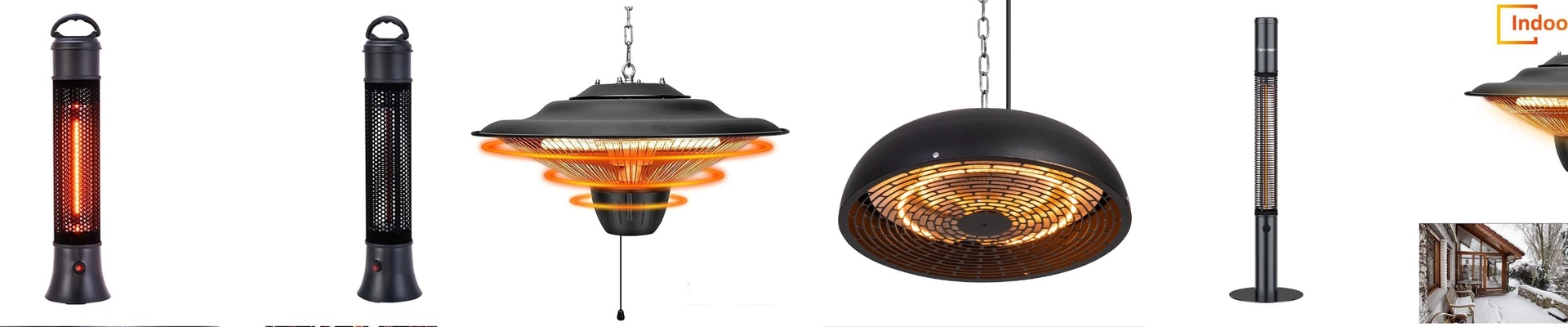
Introduction
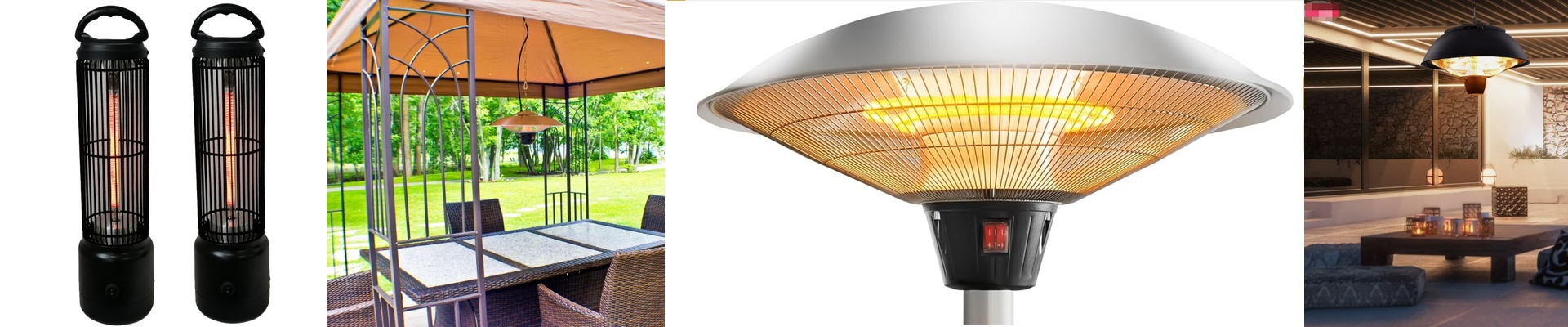
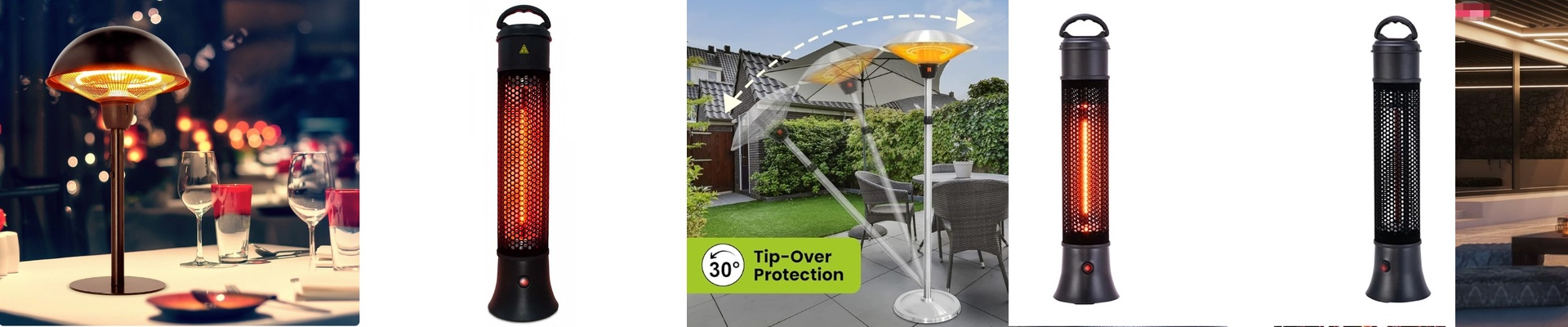
We built this electric outdoor heater to be tough. Waterproof, and powered by a shortwave infrared halogen quartz tube. It’s the kind of heat that goes right where you need it—even in wet, messy places like bathrooms, outdoor enclosures, or process stations. And it does all of that without making you sacrifice safety or comfort.
Getting Under the Hood
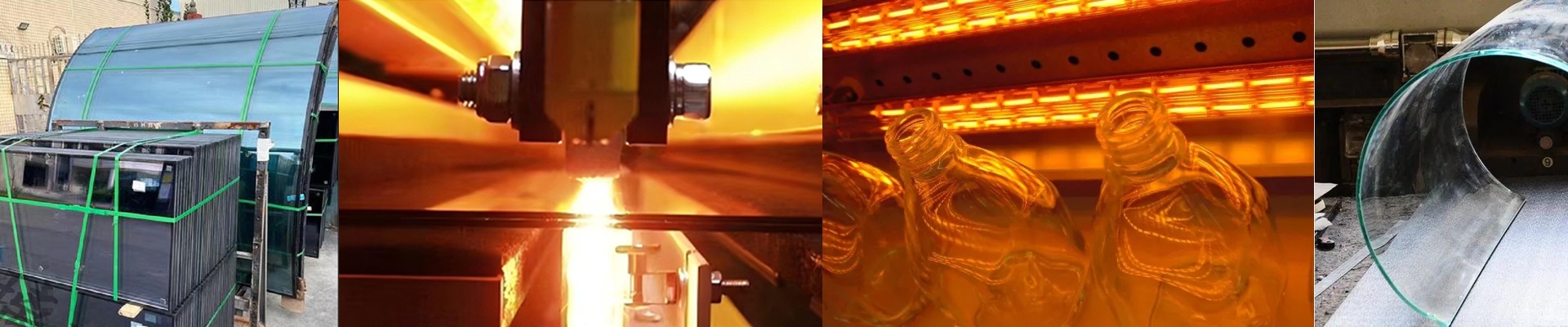
At the heart of this unit is a halogen infrared emitter, built to pack a lot of heat into a small space. It typically runs on 230V or 400V, with power ratings chosen for one thing: heating surfaces fast. The quartz tube is made to handle the shock of turning on and off, so it won’t crack under repeated cycles. And the size? It stays compact—often around 300mm—so it slips easily into tight spots where space is hard to come by. This isn’t about gently warming the air. It’s direct, line-of-sight infrared heat, made for jobs that demand real, engineered heating.
Materials and the Way It’s Built
Inside the halogen-filled quartz envelope, the filament temperature stays steady, so the heat output stays consistent no matter how long it runs. The shortwave spectrum focuses that energy right on the target surface, instead of wasting it heating the air around it. A protective coating on the tube helps cut down on glare and keeps the surface temperature a bit lower, which makes it more comfortable for anyone working nearby. Installation is simple, too. The connector is an R7s base—standard for linear halogen lamps—so you get tool-free setup and dependable current handling. The whole assembly is sealed up to an IP rating meant for outdoor and high-humidity use, so moisture doesn’t stand a chance.
Where It Shines—and Why It Works
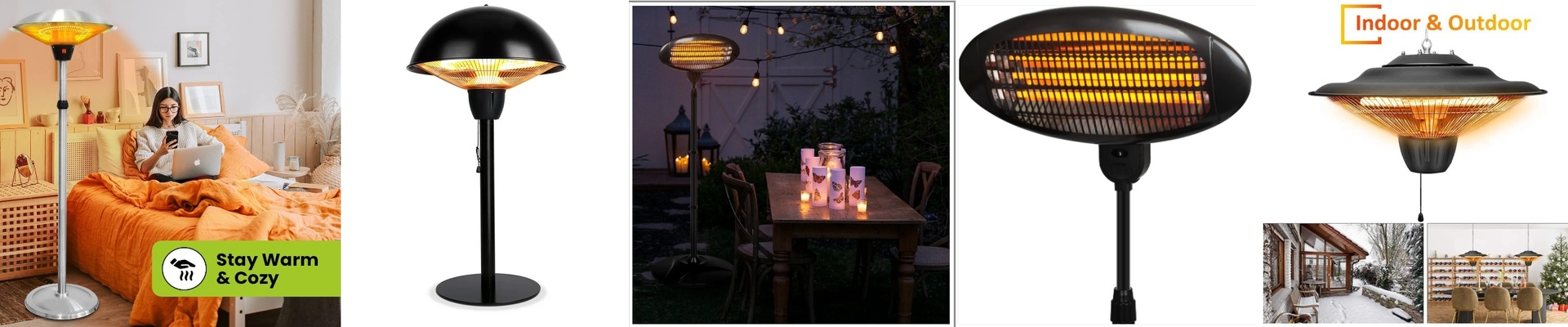
Use this heater wherever you need heat on demand: bathroom zones, washdown areas, or exposed outdoor spots. Because it’s fully sealed, you can wire it in without jumping through extra hoops to make it weatherproof. Here’s the trade-off, though: shortwave infrared is intense. That means thermal management matters. Your enclosure or fixture needs ventilation or heatsinking to keep component temperatures in the safe zone. For engineers, the appeal is straightforward. It’s rugged, waterproof, and ready to drop in. And in wet, demanding environments, it delivers performance you can count on, every single time.