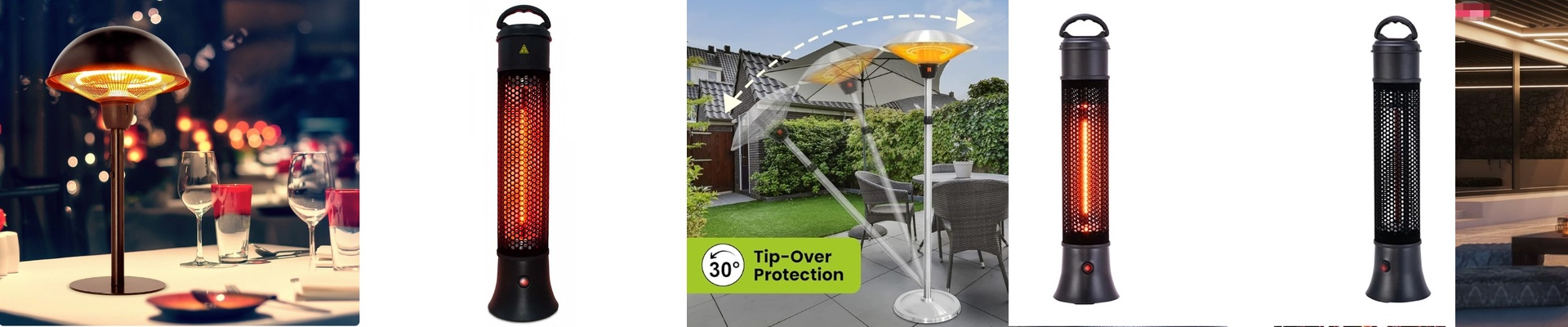
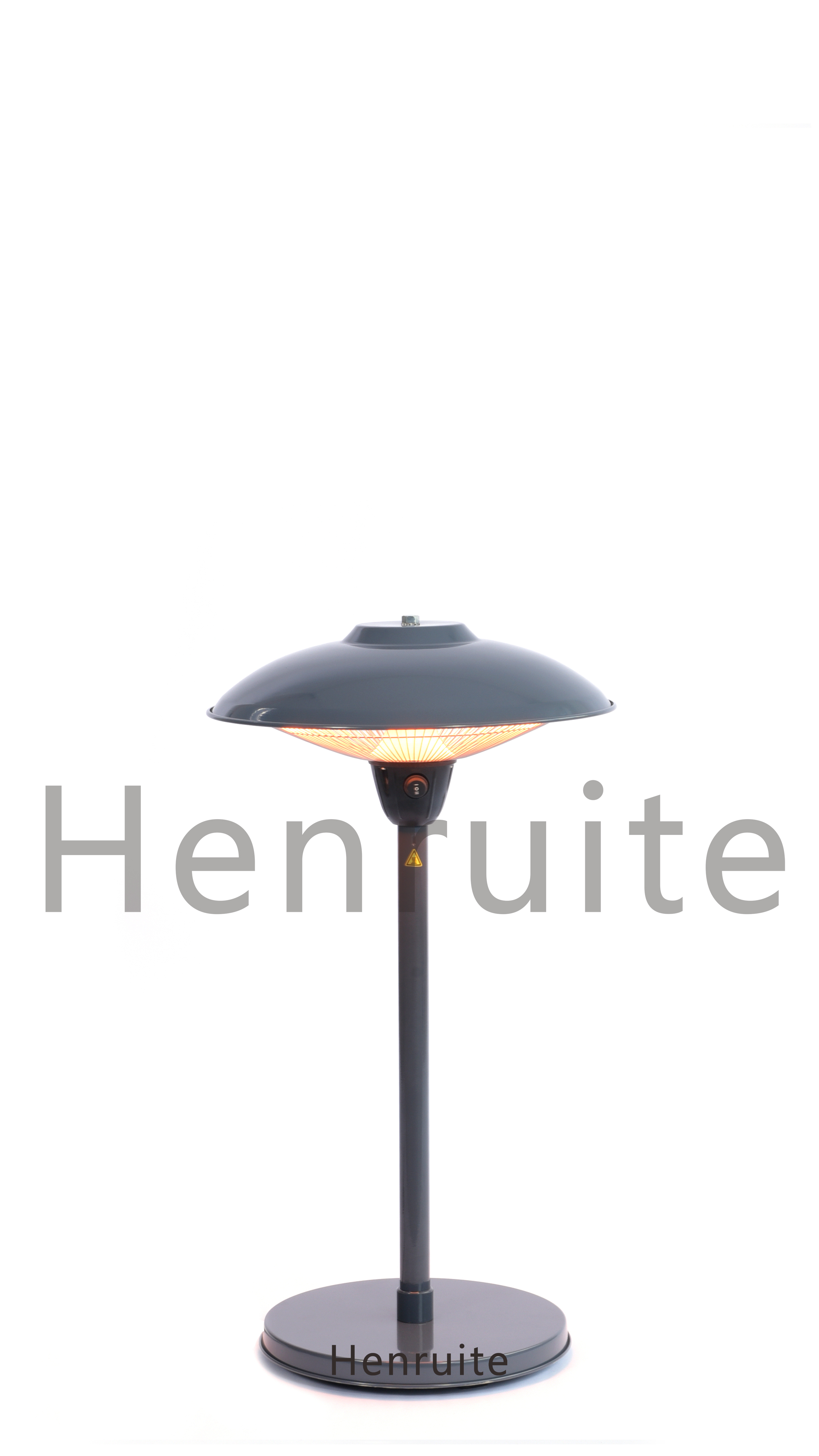
Keeping Your Guests Warm (Without Killing Your Heaters)
If you’ve ever put a standard infrared heater in a spa or a changing room, you know exactly what happens. Between the steam and the constant humidity, the electronics just give up. They short out, they corrode, and they die. It’s a headache nobody needs. That’s why we build our units to an IPX5 rating. In plain English? It means the housing is tight enough to handle water jets hitting it from any angle. It stays dry inside, even when things get steamed up.
Heat That Actually Hits
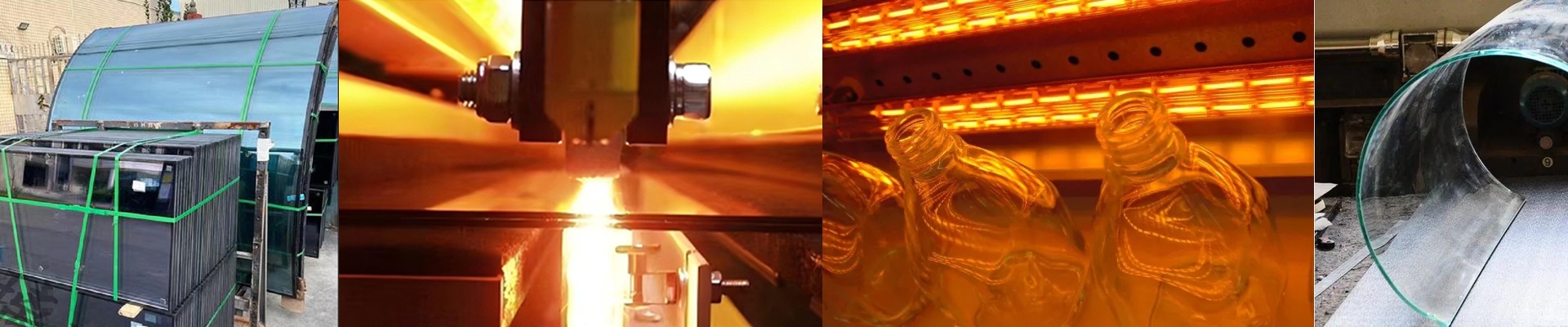
Most heaters try to warm up the air. But in a big, drafty changing area, that’s a losing battle. The heat just floats away. We do things differently with shortwave infrared. Instead of fighting the air, these lamps send heat straight to the skin and the surfaces. It’s instant. You turn it on, and you feel that warmth immediately. No more wasting hours on “pre-heating” cycles just to make a room feel tolerable.
The Balancing Act
Waterproofing a heater is a bit of a puzzle. You need a seal that keeps the moisture out, but you can’t just wrap it in plastic or you’ll melt the whole thing. We solved this by using high-temp silicone gaskets and sealed cable entries. We also encased the heating elements in quartz glass. It keeps the humidity from eating away at the components, so the heater actually lasts.
A Few Tips for the Install
When you’re wiring these in, keep an eye on your wattage. A big bank of 2kW heaters pulls a lot of power. If your wiring gauge is too thin or your breakers are undersized, you’re going to be tripping switches all day. One more thing: these aren’t tiny. The IPX5 casing makes them a bit bulkier than your average heater, so leave some extra room for the depth when you’re mounting them. And please,give them some breathing room. If you flush the unit right against the wall, the back will overheat and burn out. Leave a small gap for airflow, and you’ll be golden.