Stop Fighting Your Equipment and Start Testing Your Glass
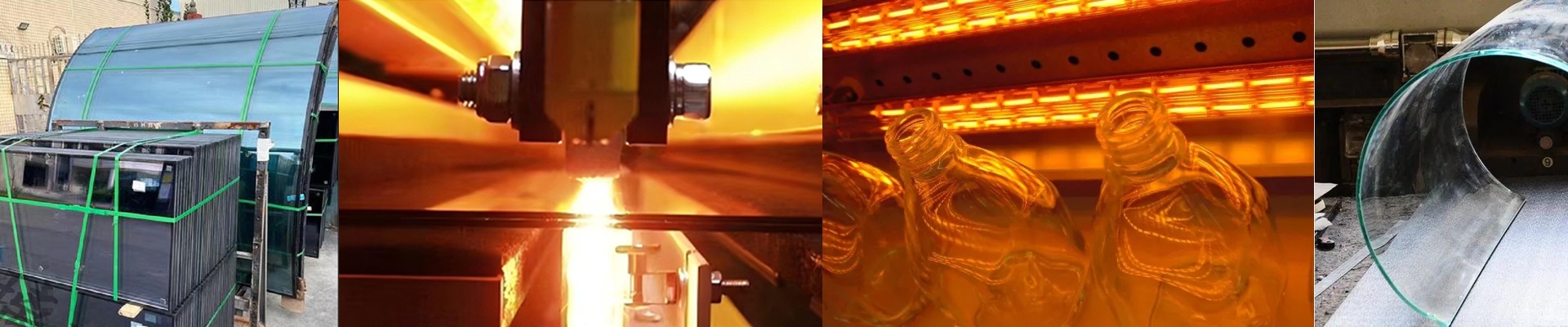
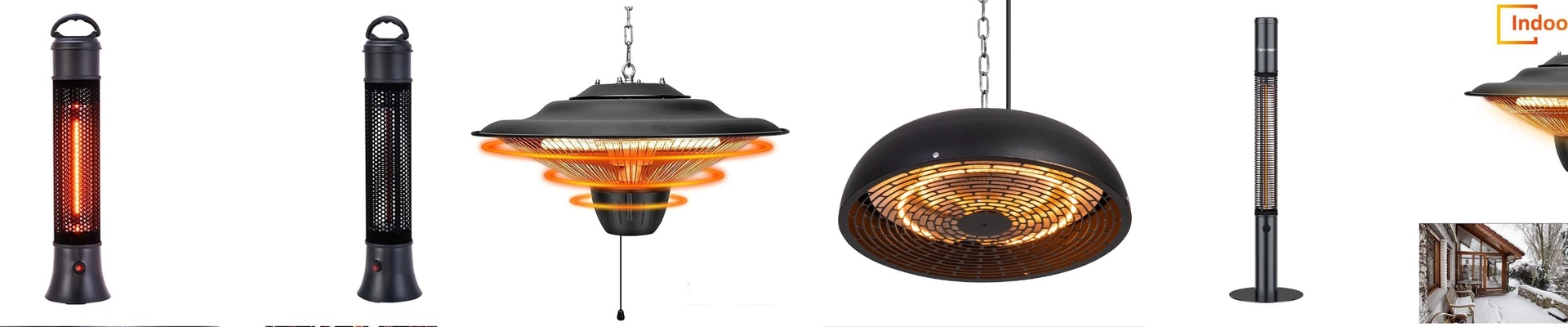
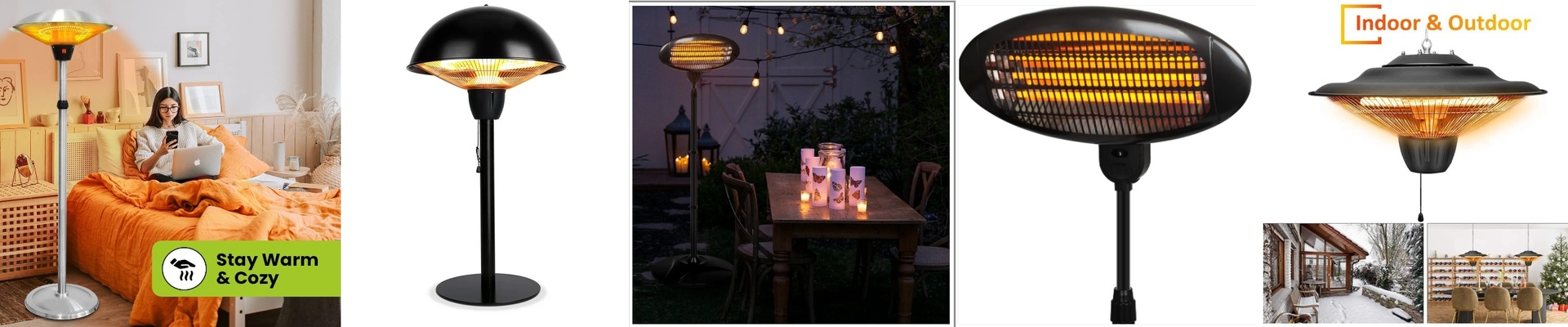
Most infrared lamps just blast heat evenly across the board. For most people, that’s fine. But if you’re in R&D working with new glass materials, “even” is actually a problem. It limits you. We do things differently. We let you customize the power density distribution. In plain English? You get to decide exactly where the heat goes and how it moves through the substrate. Why bother with custom distribution? When you’re annealing glass, you’re walking a tightrope. You need to kill the internal stress, but if you mess up, the whole thing deforms. If your lamp just puts out a flat wattage, you’re stuck. You can’t simulate real-world cooling curves or hit those stubborn, localized stress points. By shifting the heat load—maybe concentrating it in the center or pushing it to the edges—you can finally see how your new compositions handle thermal shock. The honest trade-offs Look, there’s always a catch. If you crank up the power density to get a faster ramp-up, you’re putting a lot more stress on the quartz envelope. That’s why we use high-purity quartz; it can actually take the heat. You also have to keep an eye on your gear. A custom-wound filament changes the impedance, so your power supply needs to be up for it. And if we’re packing a ton of wattage into a tiny footprint, make sure your cooling fans aren’t undersized. Otherwise, you’re just going to fry your sockets. R&D support that actually helps We don’t do “standard dimensions.” That’s not how research works. Whether you need a specific spectral output to get deep into thick glass or a precise map of wattage-per-centimeter, we build it to your blueprint. It takes the guesswork out of the trial. No more wondering if the lamp is the problem. Just wire it up, set your timers, map your profile, and get back to the actual science.