Keeping Your Bathroom Infrared Heaters from Shorting Out
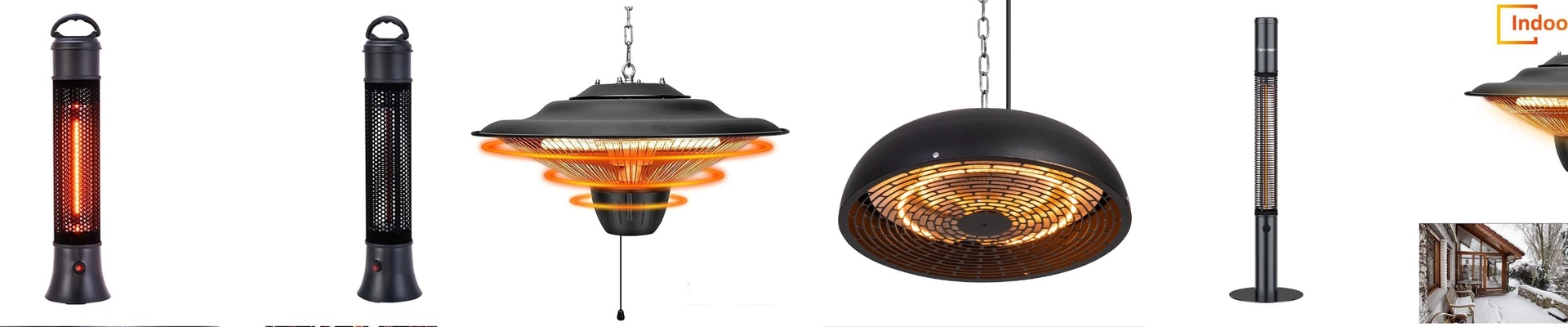
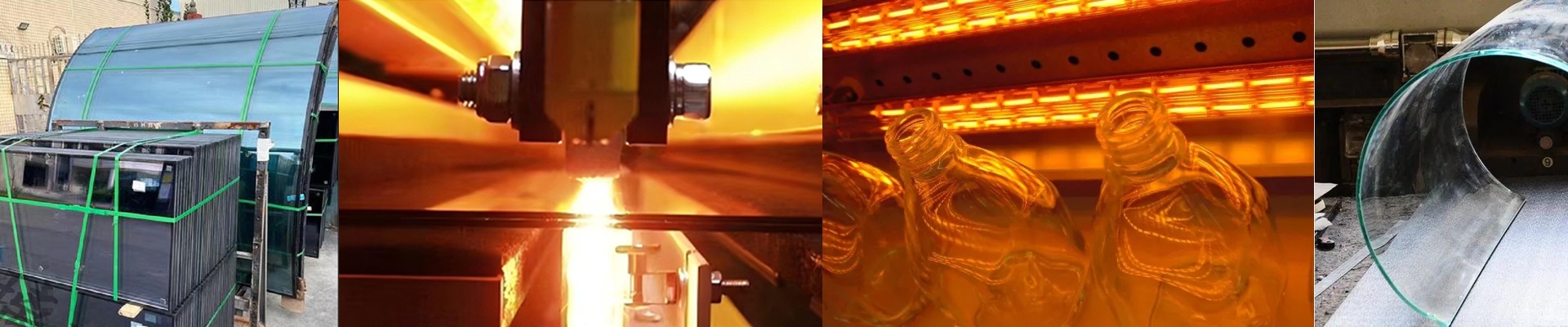
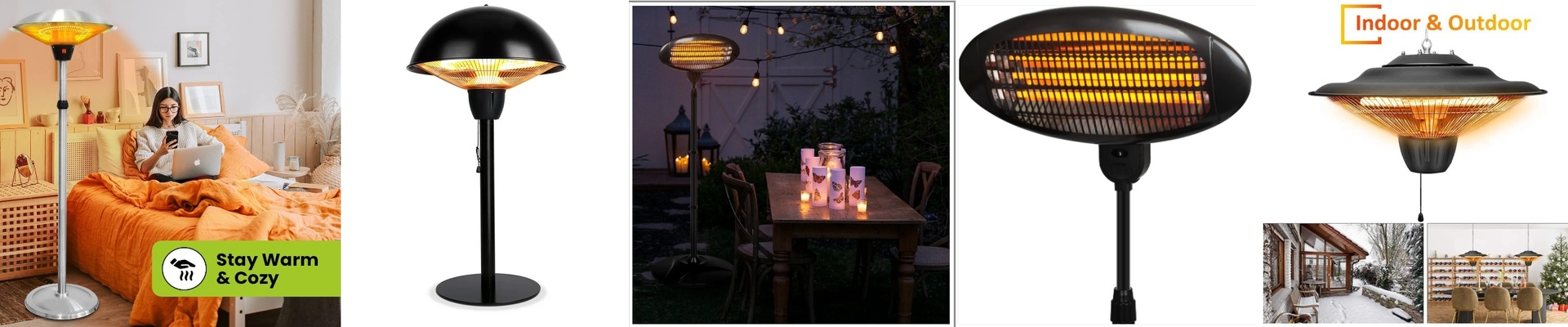
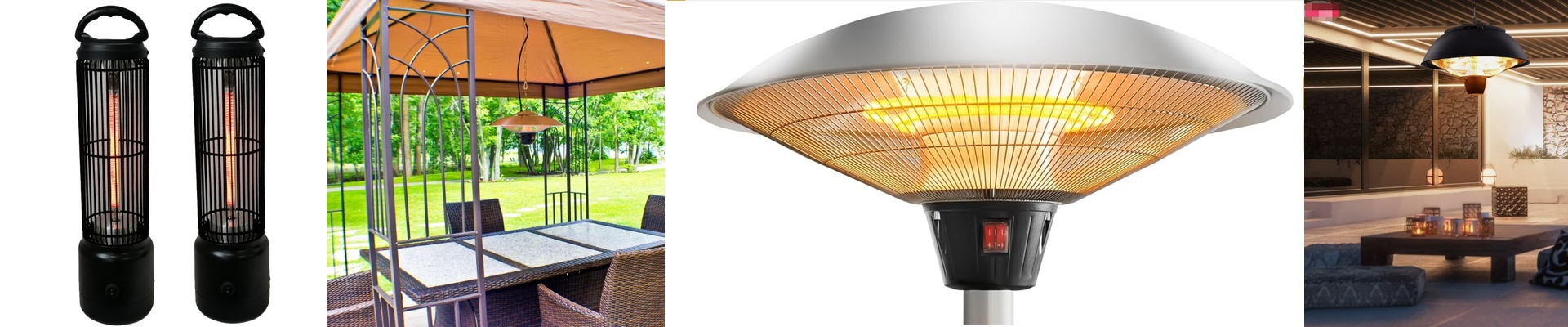
Putting an infrared heater in a bathroom is a bit of a gamble if you aren’t careful. You’ve got constant steam, splashing water, and high humidity. In that kind of environment, a standard heating element is basically asking for a short circuit or a nasty leakage current. If you’re aiming for that IP65 rating, the real battle is won or lost at the seal where the quartz tube meets the electrical terminals. The problem with steam Here’s the thing: water vapor is sneaky. It finds the tiniest gaps in a heater’s housing and just crawls right in. Once that steam hits the cold ends of the lamp, it condenses. Suddenly, you’ve got a conductive path of water sitting right between your live terminal and the chassis. Not great. To stop this, we use specialized sealing gaskets and moisture-resistant potting compounds. It’s basically like weather-proofing your electronics so that even when the room feels like a sauna, the electrical parts stay bone-dry. Picking parts that actually last Most of these bathroom lamps use shortwave quartz. You need a tube that’s thick enough to handle “thermal shock.” Imagine a hot lamp getting hit by a stray splash of cold water—if the quartz is cheap, it’ll crack instantly. We stick with high-grade stuff that can take the hit. But the wiring is where things usually go south. Standard wires get brittle and burn out. That’s why we use heat-resistant silicone cabling and reinforced connectors. If you’re swapping out an old lamp for a new one,**double-check the connector footprint.**If it’s even a little bit loose, you’ll get arcing. That creates tiny sparks that will literally melt your housing over time. The balancing act There’s a catch, though. When you seal a unit tightly to keep the water out, you’re also trapping the heat inside. You can’t just wrap it in plastic and call it a day. If the housing is too tight, the internal wiring will cook itself faster than the moisture ever could. You have to find a middle ground. Give the fixture some room to breathe or add a heat sink. Balance that seal with a bit of airflow, and your heater will actually last.