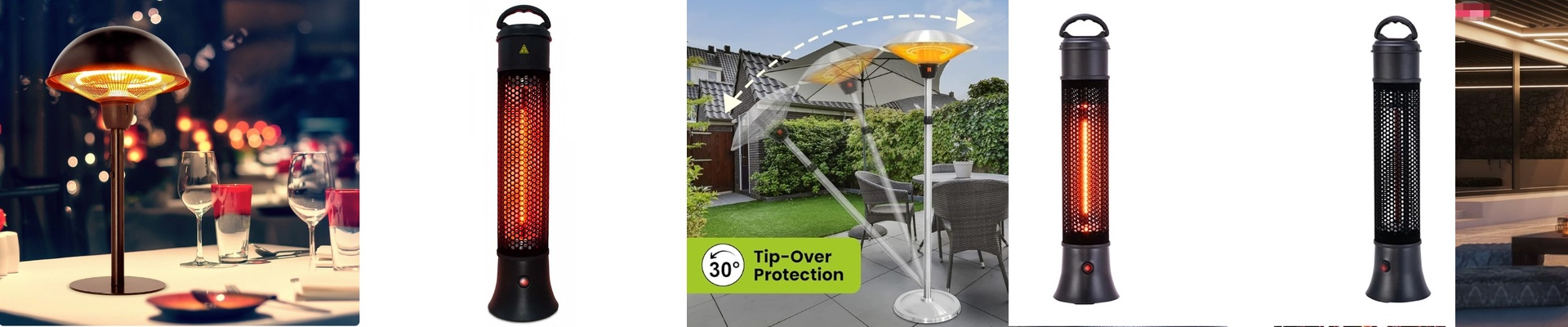
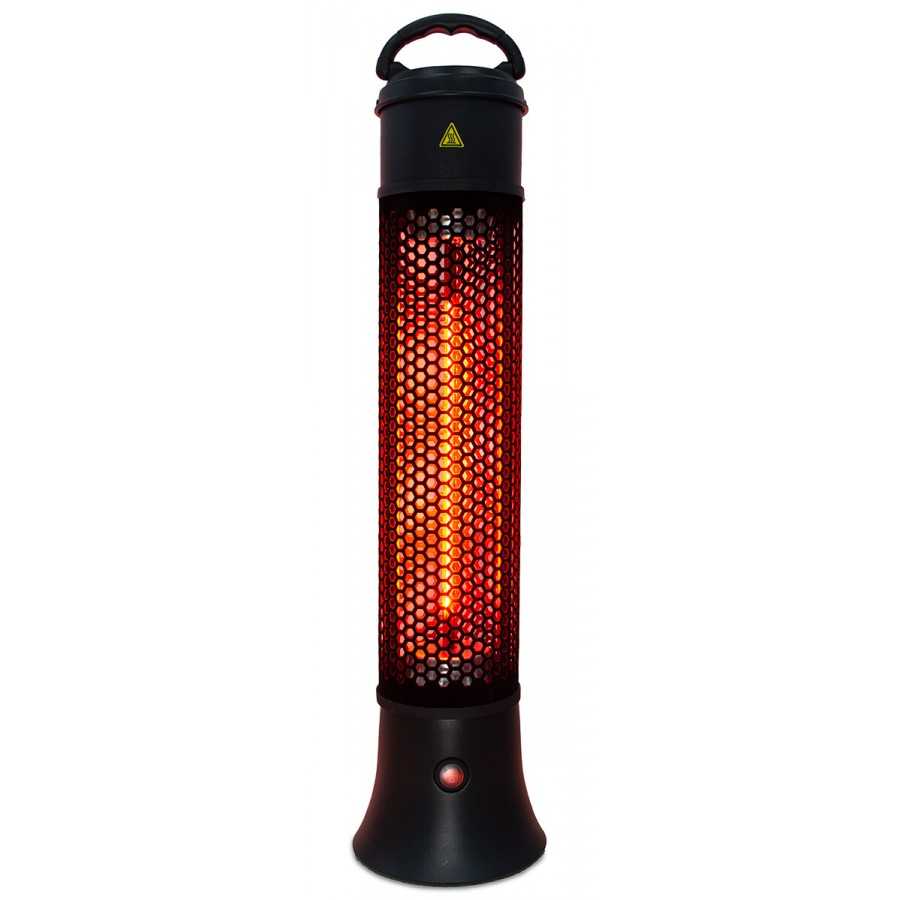
Making Your Patio Cozy: Smart Infrared Heaters That Actually Work
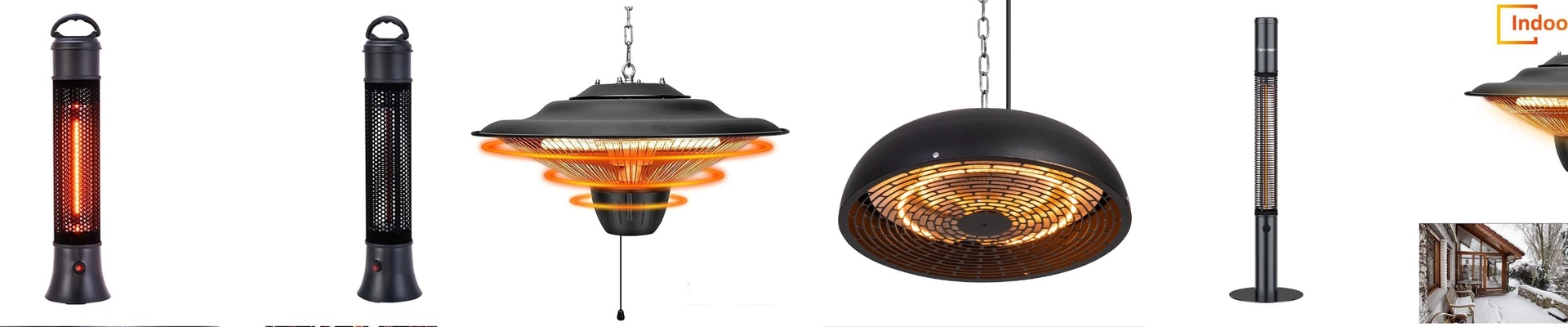
Let’s be honest: nobody likes shivering on their own porch. But getting outdoor heat right is a bit of a balancing act. You need something that can handle a rainstorm without blowing a fuse, but still kicks in fast enough to actually be useful. That’s where IP65-rated heaters come in. In plain English? They’re built like tanks. Dust and splashes of water won’t mess with the guts of the machine, so you don’t have to panic every time the weather turns.
Heat That Hits Instantly
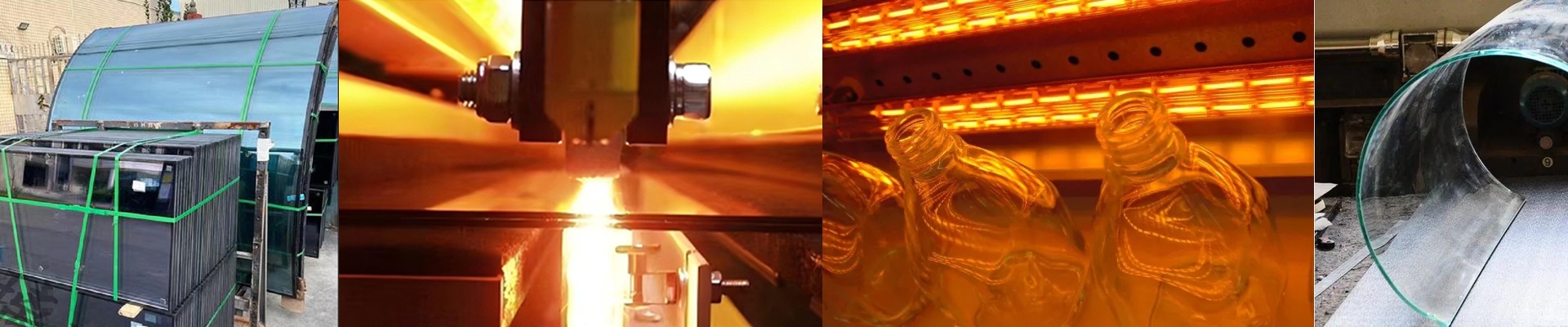
Most heaters try to warm up the air around you. The problem is, if there’s a breeze, that warm air just blows away. Infrared is different. It works more like the sun. It sends energy straight to your skin and your clothes. We use short-wave elements because they don’t mess around—the second you flip the switch, you feel it. It’s that “springtime in the middle of January” feeling. No waiting around for the unit to “warm up.” Just instant comfort.
Making it “Smart”
Wiring these into your smart home is where things get fun. Usually, we just add a Zigbee or Wi-Fi relay to the mix. Once that’s done, you can stop fiddling with manual switches. You can set up a “Welcome Home” routine so your patio is already toasted and cozy by the time you walk through the door. You can even link them to a temperature sensor, so the heaters kick in automatically the moment the evening chill hits.
A Few Things to Watch Out For
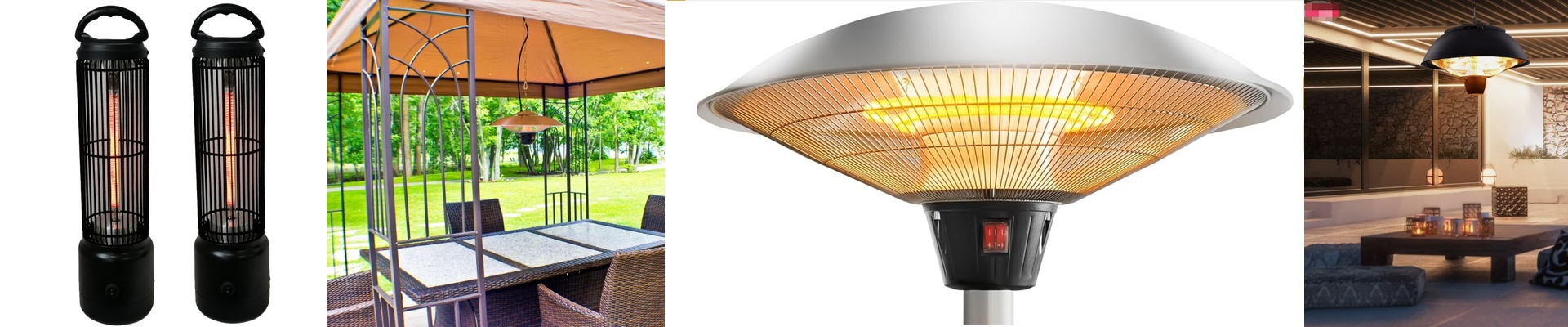
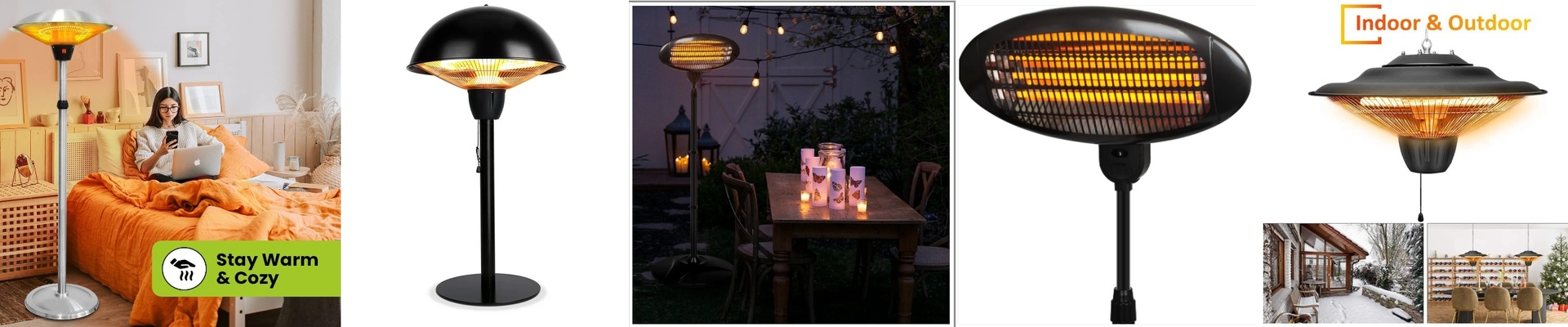
Here’s the catch: these things pull a lot of power. If you’re putting up a bunch of 2000W heaters on one line, don’t cut corners on the wiring. If the wires are too thin, you’ll get a voltage drop, and cheap relays will simply fry under the pressure. If you’re doing a big installation, go with heavy-duty contactors. It’s better to over-engineer it now than to deal with a dead circuit later. One last tip:Placement is everything. Infrared is line-of-sight. If you put a heater behind a pillar or a big potted plant, you’ll end up with a “cold spot” right where you’re sitting. Take a minute to map out where the heat actually lands before you drill any holes in your walls.