
A Smarter Way to Heat Your Pergola
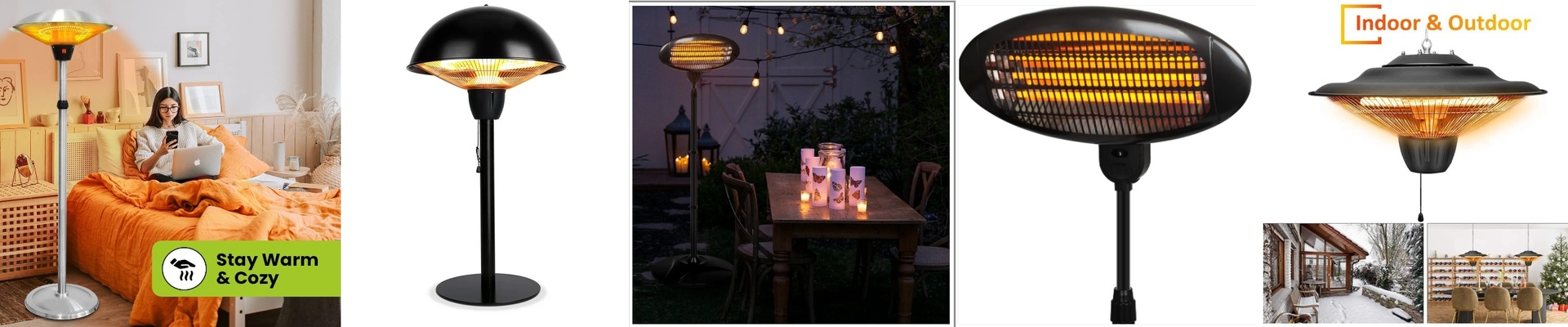
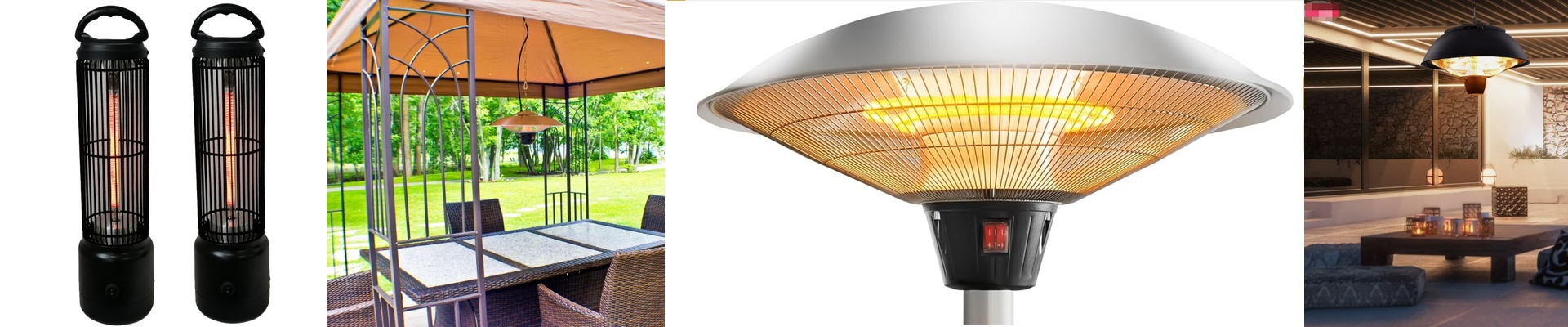
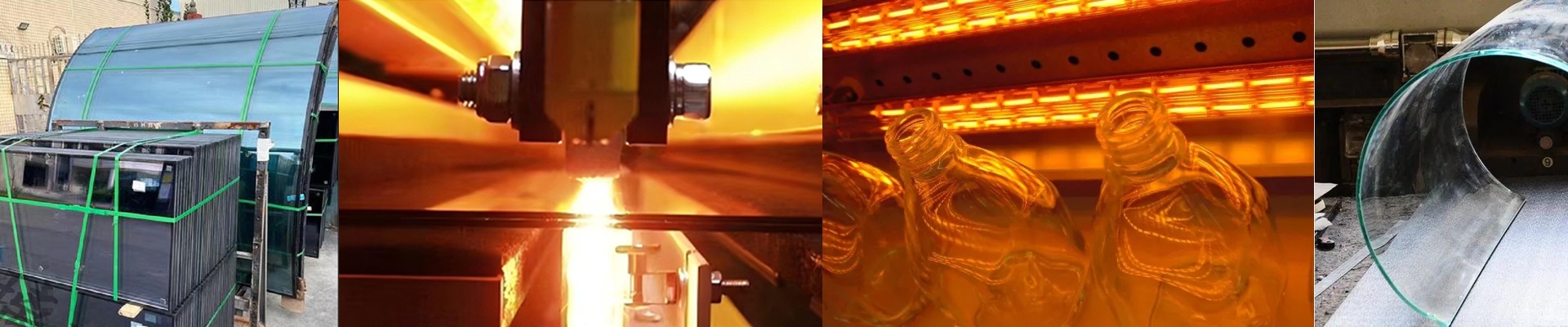
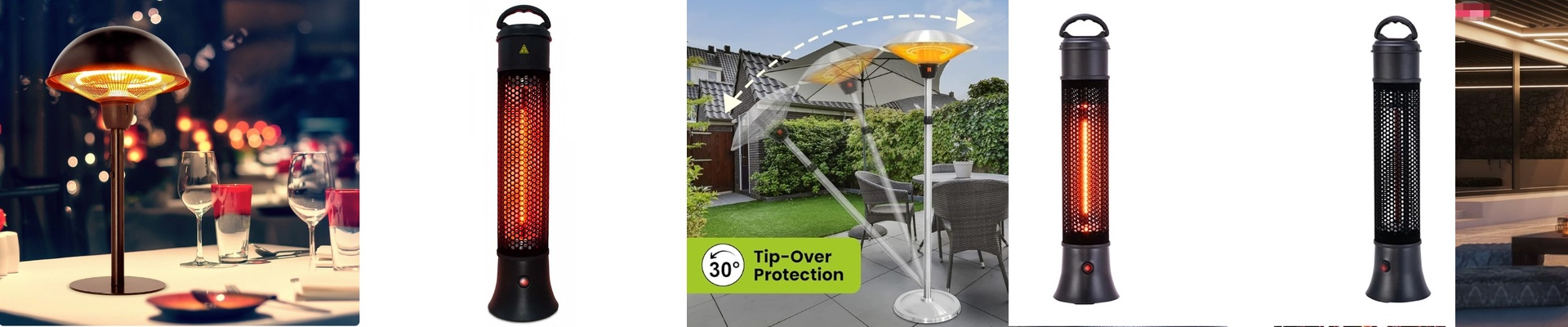
Let’s be honest: outdoor heaters usually have a short shelf life. They sit out in the rain, freeze in the winter, and bake in the sun. Eventually, something breaks. Usually, when one heating tube burns out, you’re stuck. Most heaters are sealed shut, meaning you have to toss the entire expensive chassis in the trash just because one little part quit on you. It’s a waste of money and a headache for anyone managing a property. We thought that was ridiculous. So, we did something different. The “Swap and Go” Logic Our heaters are modular. Instead of one giant, permanent unit, we use independent heating modules. If a tube dies after a few seasons, you don’t need to rewire your entire pergola or call in a crew for a full replacement. You just pop out the old module and slide in a new one. It takes minutes. It’s fast, it’s simple, and it keeps your costs down in the long run. Built for the Elements Keeping a heater waterproof is tricky because heat makes materials expand and shrink. If the seals aren’t right, water gets in. We use IP-rated seals that can handle the heat without cracking or peeling. We also chose shortwave infrared elements because they actually punch through the open air, so your guests actually feel the warmth instead of it just floating away in the breeze. And since these live outdoors, we used housings that won’t pit or rust when the weather gets nasty. The Honest Truth on Installation Now, here is the catch with modular gear: you have more connection points. That means if you’re sloppy during the install, you’re asking for trouble. You have to make sure those gaskets are pressed down tight. If you ignore the torque specs on the brackets, the wind will eventually shake things loose, and that’s how moisture creeps in. Do it right the first time, and you’re golden. Future-Proofing Your Space The best part? Everything fits into a standardized rail. If you decide a year from now that you want more heat, you don’t have to drill new holes into your beautiful pergola beams. Just pull the old modules out, slide in some higher-wattage ones, wire them up, and you’re back in business.