
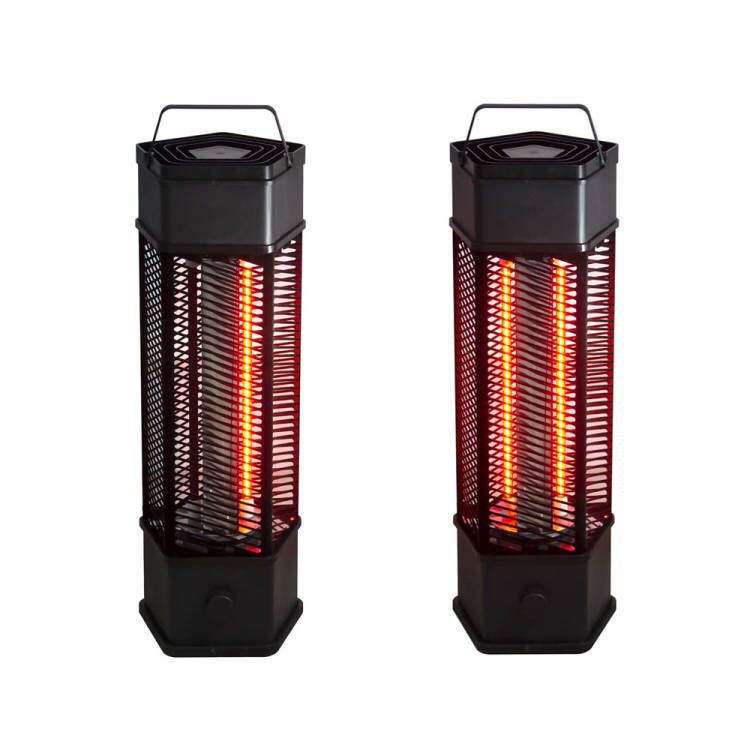
Why we put our IP55 heaters through the “humidity torture test”
Putting an infrared heater in a bathroom is a bit of a gamble. You’re basically taking high-voltage electronics and sticking them in a room full of steam and splashing water. Our table and wall heaters are built to the IP55 standard, which is a fancy way of saying they can handle dust and a decent spray of water. But honestly? A rating on a spec sheet isn’t enough. We need to know these things actually last in the real world.
The problem with steam
Here’s the thing about water vapor: it’s sneaky. It can get through seals that liquid water can’t touch. Think about a typical bathroom. The heater gets blazing hot, then it cools down in a damp room. That constant switching creates a vacuum effect, basically sucking moisture right into the housing. If that dampness hits the quartz tube or the electrical terminals, you’re looking at a short circuit or a blown fuse. Not a great experience. That’s why we don’t just trust the design. We take every batch and throw them into high-humidity chambers. We force the moisture in. We’re looking for anything that fails—leaky seals, rusty contacts, or electrical breakdowns. If it’s going to break, we want it to break in our lab, not in your ceiling.
The balancing act
Keeping water out is the easy part. The hard part is letting the heat out. When you seal a heater tight to stop the steam, you’re also trapping the heat inside the chassis. If it gets too hot in there, the wiring insulation gets brittle and starts to crack. It’s a bit of a tug-of-war. We spend a lot of time tweaking the venting and where the heat sinks go. You get the waterproof protection you need, but you’ve got to give the unit a little breathing room during installation so it doesn’t overheat.
No guessing games
We aren’t interested in “hoping” a heater lasts. We track how the insulation holds up after 500+ hours of soaking in humidity. If we see the leakage current spike even a little bit, the design goes straight back to the drawing board. We do this so that when you wire these units under a table or into a ceiling, you can forget about them. No burnt-out components. No tripping the RCD after six months. Just warmth that actually works.