How to actually keep a changing room warm
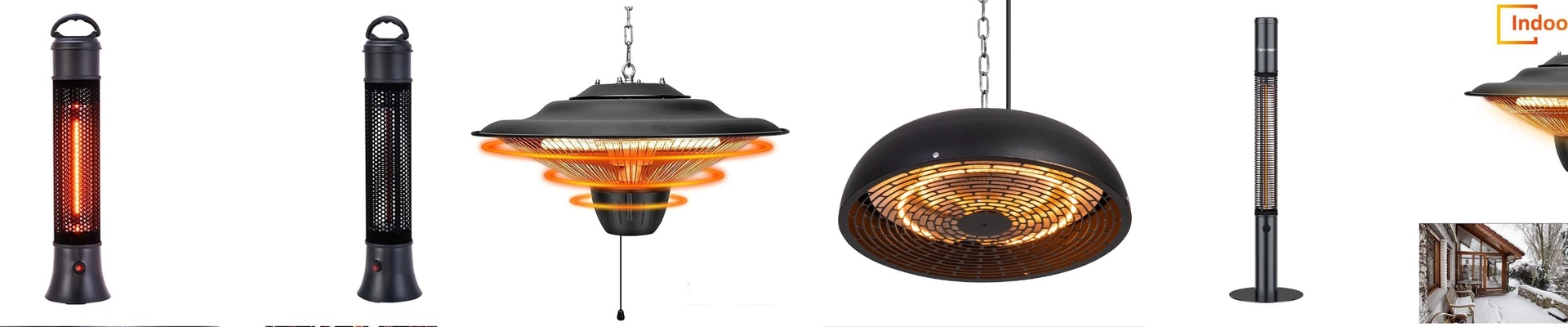
Trying to heat a changing room with a standard blower is a losing battle. You’ve got open doors, high ceilings, and a constant draft. The second that warm air hits the room, it just floats up to the ceiling or drifts right out the door. It’s a waste of electricity. That’s why we stop trying to heat the air and just heat the people. The trick is infrared. Instead of waiting for a heater to push air across a massive room, we use ceiling-mounted infrared lamps. These send out waves of heat that travel at the speed of light. They don’t care about the cold air in between; they just hit your skin and warm you up instantly. It’s the difference between waiting for a room to “warm up” and feeling that immediate glow the second you walk in. The gear we use We usually go with shortwave emitters using quartz halogen tubes. Quartz is the way to go because it doesn’t crack when things get scorching hot. These things pull a lot of power, so you’ll need a beefy circuit to make sure the heat actually reaches the floor. But you have to be careful with where you hang them. If they’re too high, you won’t feel a thing. Too low? You’ll end up baking the shoulders of whoever is standing underneath. It’s a bit of a balancing act, but once you get the wattage right for the square footage, it feels just right. The catch (and how to fix it) Here’s the thing: shortwave heat is intense. It gives you that high-end hotel vibe, but it’s very directional. You feel amazing right under the lamp, but if you take two steps to the left, you’re back in the cold. To stop that “hot spot” feeling, we overlap the beams. By crisscrossing the heat patterns from a few different units, you create a blanket of warmth instead of a single spotlight. Just keep an eye on your electrical panel—overlapping units means more amperage, and you don’t want to be tripping breakers in the middle of a rush.