
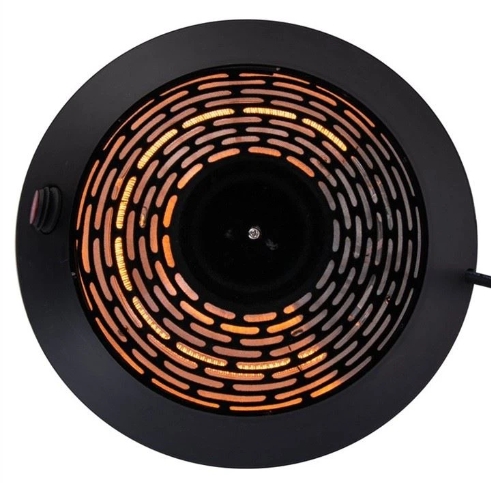
Getting Your Wet Zones Warm (Without the Wait)
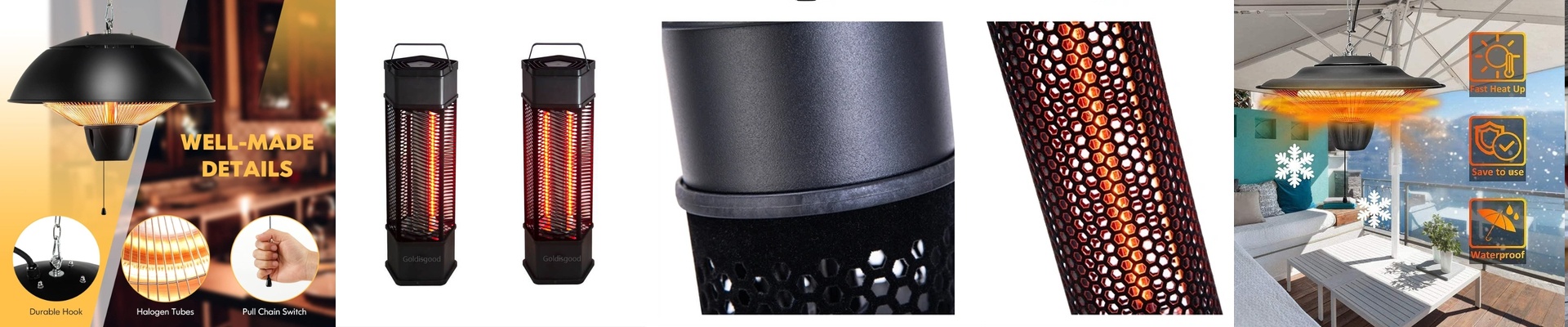
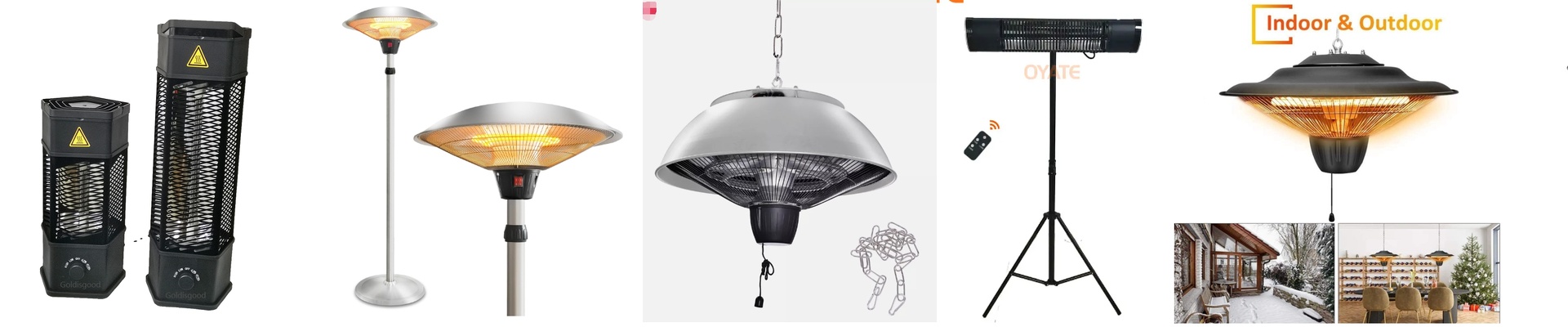
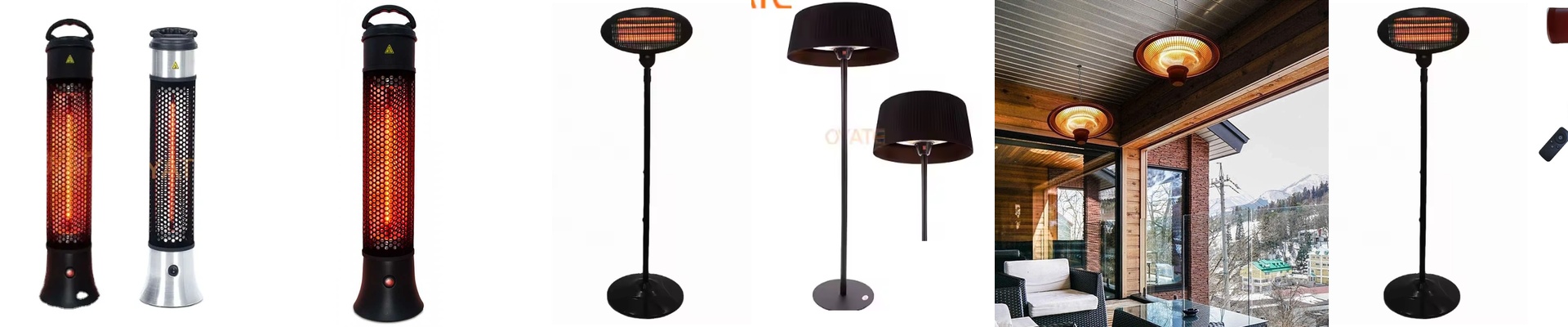
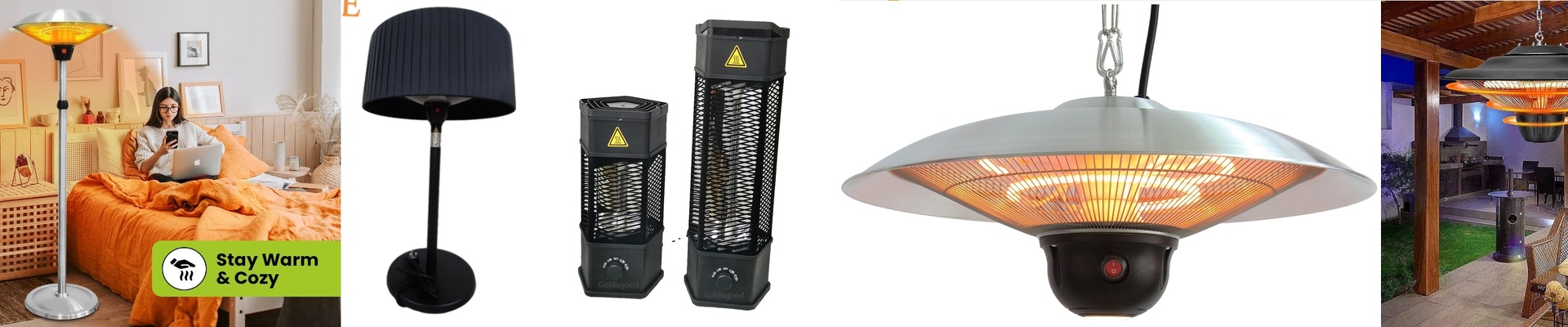
Ever stepped into a freezing changing room after a swim? It’s miserable. If you want to fix that, forget about those standard heaters that just blow warm air around. By the time the room actually feels warm, everyone’s already left. Instead, go with shortwave infrared. It doesn’t bother with the air; it just beams heat directly onto people and objects. It’s instant. You step under it, and you feel the warmth immediately. The secret is in the wavelength We use shortwave emitters because they hit different. These lamps run hot, which pushes the heat deeper into your skin and clothes. It’s that “sun on your back” feeling. If you’re setting this up in a spot where doors are constantly swinging open or the walls are ice-cold, don’t skim on the wattage. You need enough power to fight off that draft, otherwise, the heat just vanishes the second someone walks in. Dealing with the damp Water and electricity aren’t friends. Especially in a locker room or on a patio, moisture is everywhere. To keep things safe, we wrap everything in IP-rated housings. Basically, we seal the electrical guts so splashes and steam can’t get inside. We use tempered glass for the front—it keeps the heating element safe but lets the infrared waves slide right through. A few things to watch out for Here’s the catch: waterproofing makes the fixtures a bit bulkier. They take up more space. Also, keep in mind that while the heat shoots out the front, the back of the unit still gets warm. Make sure whatever you’re mounting it to can handle the heat without warping or turning a weird color. And for the love of everything,use a dedicated circuit. These arrays pull a lot of power. If your wiring is too thin, you’ll get voltage drops, and your lamps will barely glow. Just double-check your breakers before you start drilling holes in the wall.