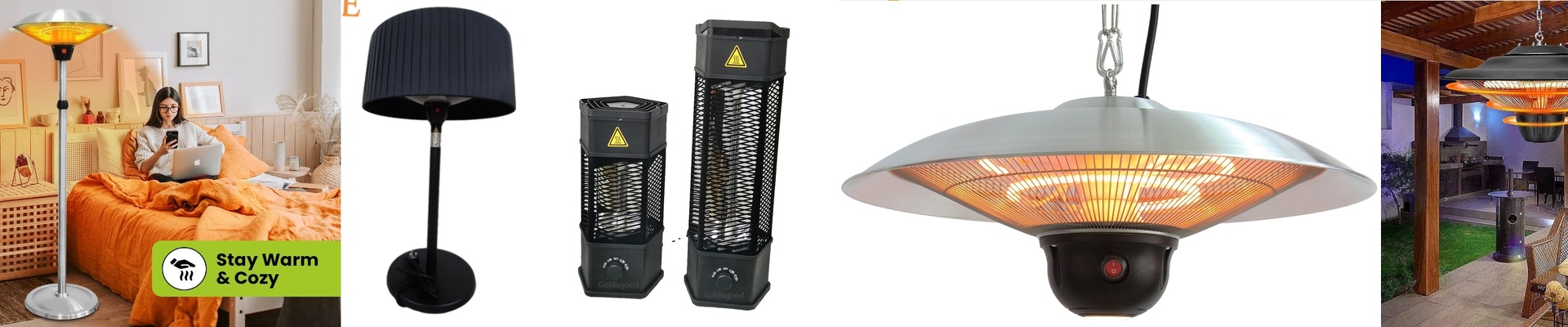
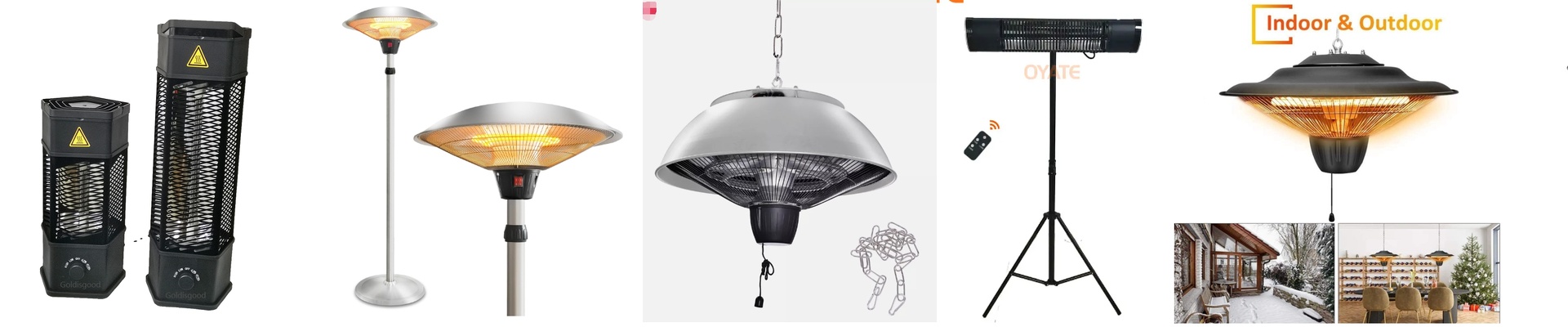

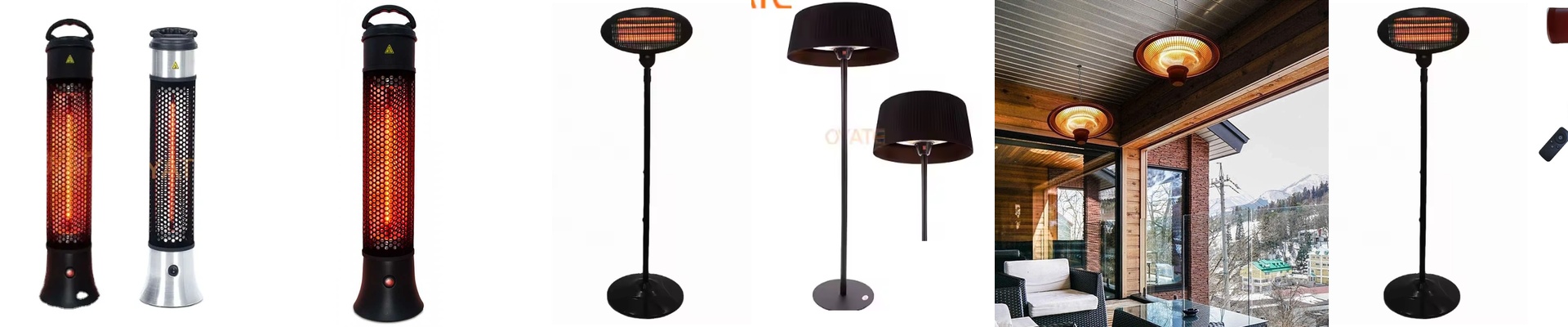
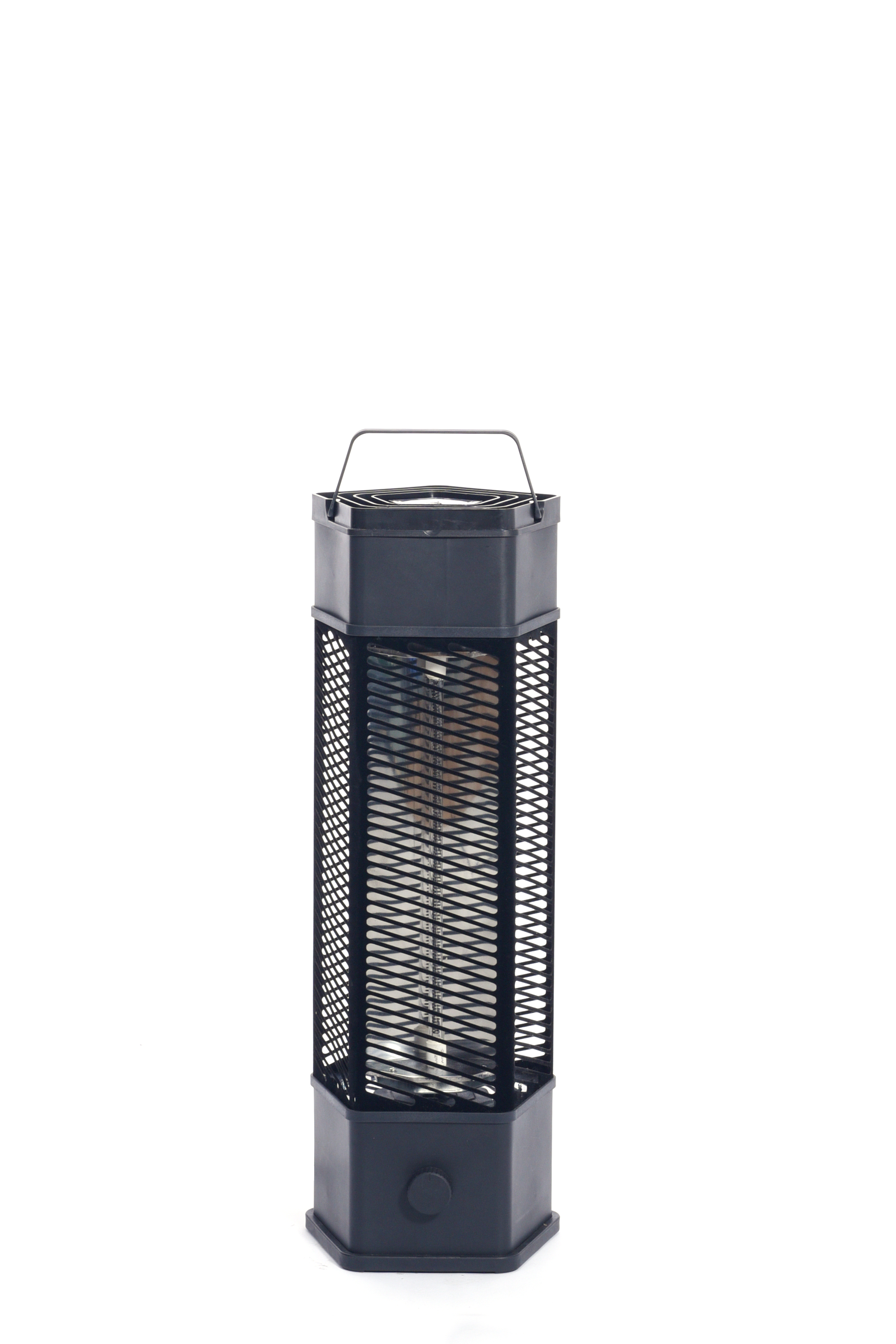
Keeping Your Outdoor Heater Alive: The Truth About IP65
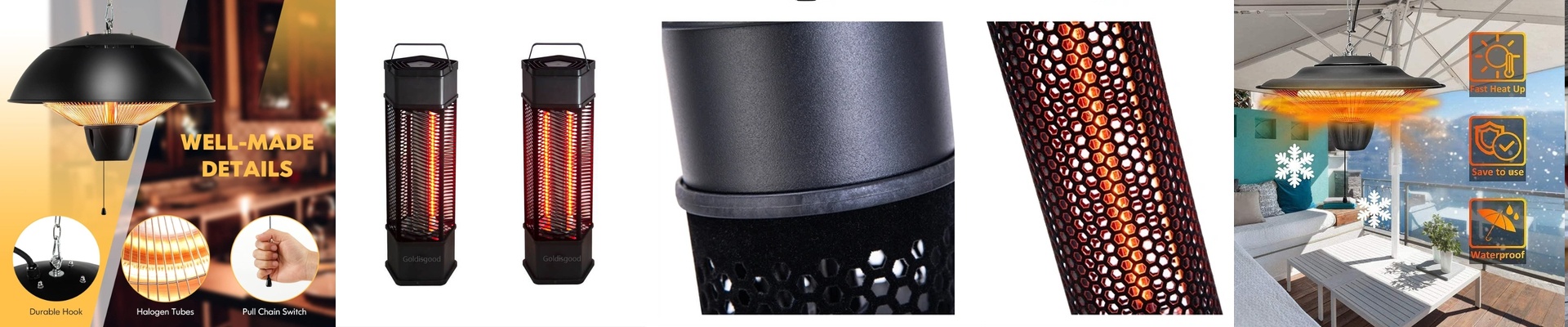
Let’s be honest: the outdoors is a nightmare for electronics. Between the sudden downpours and the random splashes from a garden sprinkler, most heaters just aren’t built to survive. We’ve seen too many units die young because of oxidation or a nasty short circuit. That’s why we obsess over IP65 standards. It sounds like a boring technical code, but it’s basically the difference between a heater that lasts for years and one that becomes a paperweight after one winter. Dealing with the rain The “5” in IP65 is the important part. It means your heater can take a low-pressure water jet from any direction and keep on ticking. We do this with heavy-duty gaskets and compression-fitted cables. Why bother? Because imagine a quartz tube heating up to 600°C, and then—bam—a cold raindrop hits it. That thermal shock can crack the glass in a heartbeat. Our chassis is designed to shove water away from the electrical bits so you aren’t running to the breaker box every time a storm rolls in. The battle against fog and rust Then there’s the humidity. You know that foggy film that builds up on mirrors? The same thing happens to a heater’s reflector. When moisture settles there, it scatters the heat everywhere instead of beaming it straight down to where you’re sitting. To fix this, we use specific coatings and airflow paths to keep things dry. It keeps the heat steady and strong. Plus, we use alloys that don’t mind a bit of dampness. No one wants to replace their entire setup every two seasons just because the terminals rusted through. The one trade-off Here’s the thing: when you seal something this tight to keep water out, the heat has fewer places to go. The internals run a bit hotter than they would in an open-air design. Because of that, don’t crowd the heater. Give it the breathing room we suggest in the manual so you don’t accidentally scorch your mounting surface. It’s a simple trade. We build these things to take a beating, and a little extra space means you get a heater that actually survives the elements.