
Keeping Wet Spaces Warm Without the Headache
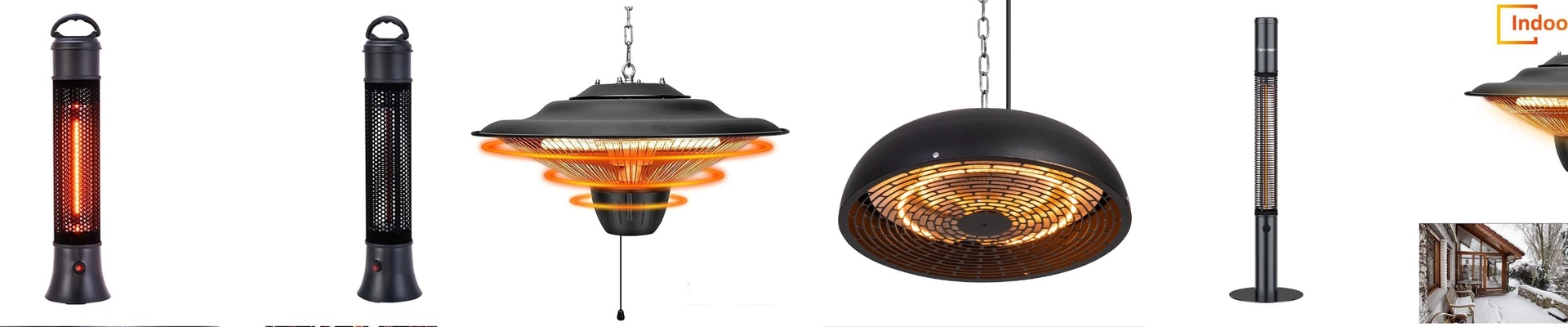
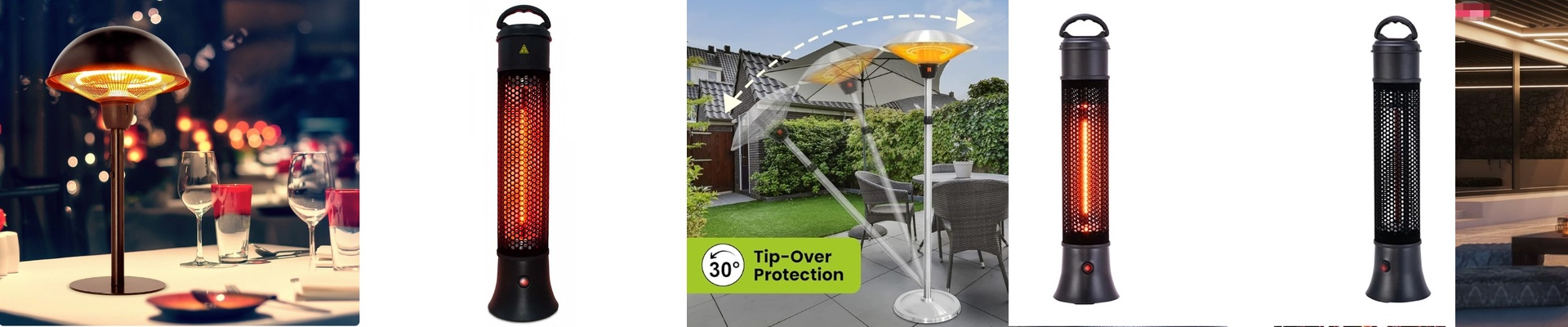
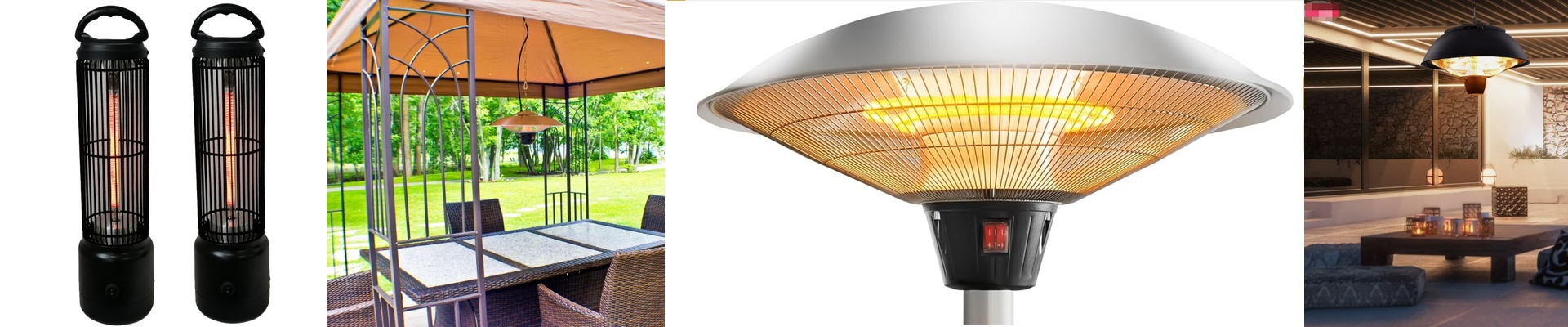
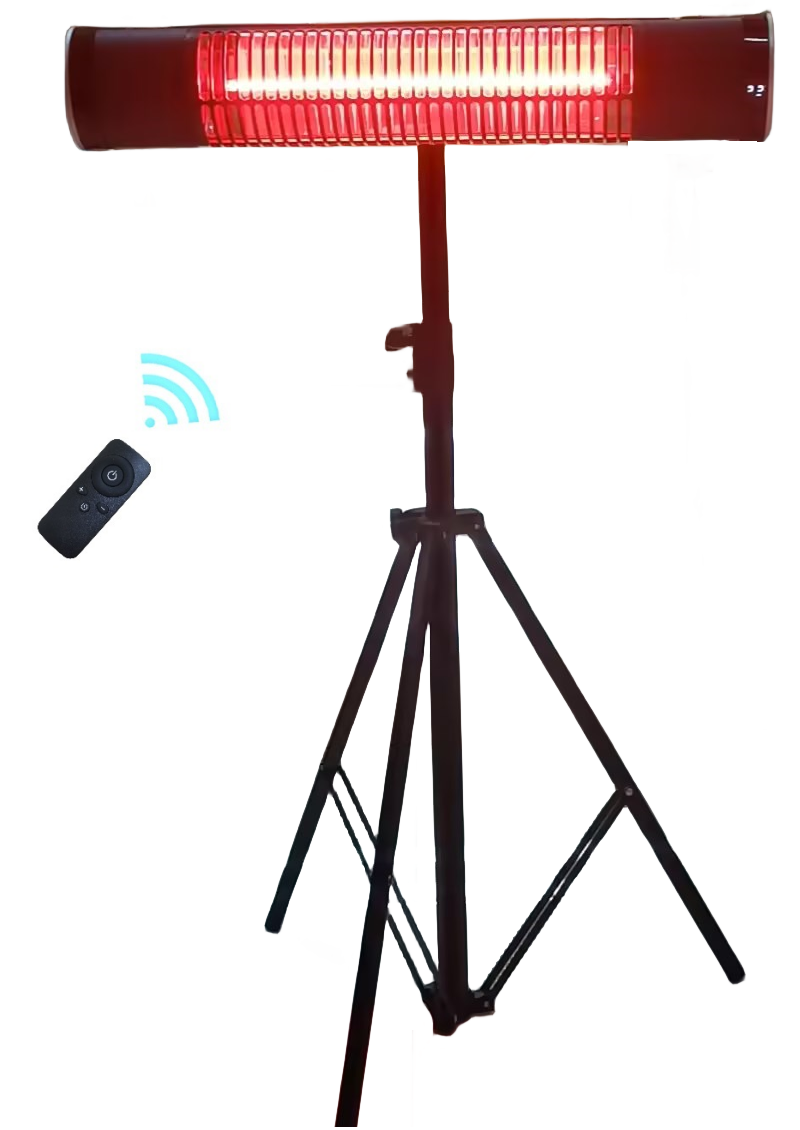
If you’ve ever tried to heat a drafty locker room or a wash-down bay with a standard heater, you know the struggle. You’re basically trying to heat the air, which just floats away the second a door opens. It’s frustrating. You don’t have time to wait for the room to “warm up.” That’s why we lean on shortwave infrared. Instead of fighting the air, it beams heat directly onto the person or the surface. It’s like stepping into sunlight on a cold day. You feel it instantly. Dealing with the damp Water and electricity are a nightmare pairing. In a humid environment, a cheap heater is just a ticking time bomb—it’ll either short out or rust into a piece of junk within a few months. We build our units to IP65 standards. In plain English? The housing is tight enough to keep dust out and can handle being hit by water jets without flinching. We seal every single junction and use casings that actually fight off corrosion. It means you aren’t replacing the whole system every single season. How it actually works Inside, there’s a quartz tube filled with halogen gas. When the power hits, the filament gets screaming hot almost immediately. Because we usually pair these with PIR sensors, the whole process is seamless. Someone walks in, the sensor trips, and the lamp hits full power in under two seconds. No lagging. No waiting. Just heat. A few things to keep in mind You can’t just slap these anywhere. You’ll need a stable circuit because the initial power draw is pretty heavy. Then there’s the placement. Since we’re pushing a lot of wattage through a small tube, that face getshot. Really hot. If you mount it too low, you’re going to burn someone. Too high, and you lose that “instant” magic. Finding that sweet spot is key. One last thing: remember that quartz glass is fragile. The IP65 shell protects the guts of the machine, but the emitter face can crack if a piece of heavy equipment accidentally bangs into it. If you’re putting these in a chaotic industrial zone, do yourself a favor and install some guards. It’s a small step that saves you a huge headache later.