
Making Infrared Annealing Actually Fit Your Setup
Getting heat to spread evenly across a workpiece is one thing. Actually getting the equipment into your machine without a headache? That’s where things usually go sideways. Most people think the power output is the hard part. It isn’t. The real nightmare is the physical fit. That’s why we build our systems to just… fit. No custom machining, no spending three days with a mill, and no stressing out when you decide to swap old lamps for higher-wattage arrays.
No More Drilling Holes
Whether you’re dealing with spiral heads or those weirdly shaped connectors, we’re aiming for a “drop-in” experience. We match the footprints that are already there. You won’t have to drill new holes or weld brackets into your chassis just to get the thing to stay put. You wire it into your power rail, and you’re done. It turns a multi-day installation project into a few hours of work.It’s a huge relief.
The Trade-offs (The Honest Part)
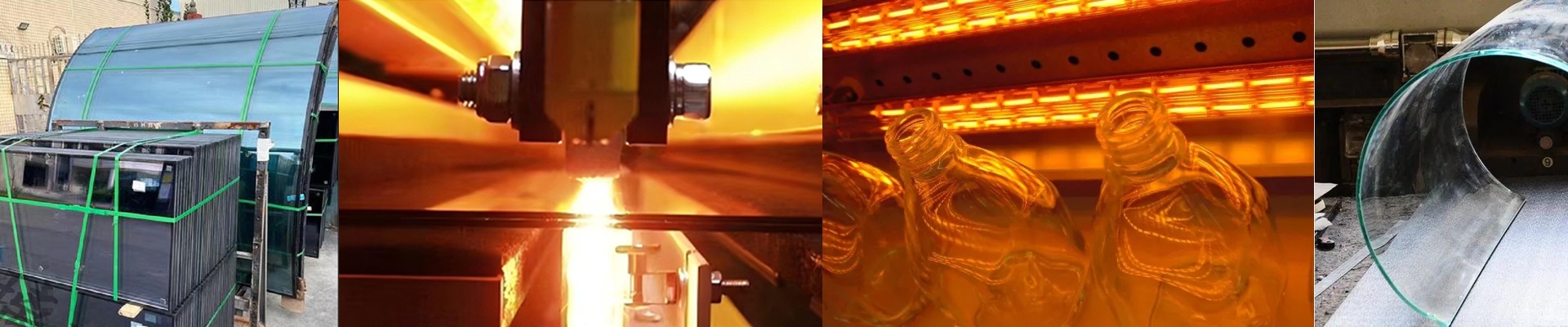
Here is the thing about high-density heating: you have to balance power and spacing to get that uniform heat. When we design these universal interfaces, we obsess over the electrical contact points. We do this so you don’t have to worry about arcing. But, there is a catch. High-density infrared arrays throw off a lot of waste heat. If your cabinet ventilation isn’t up to the task, you’re going to cook your control relays. Just double-check your fans before you flip the switch.
Keeping Your Line Moving
This is really for the shops that can’t afford to shut down for a total overhaul. If you’ve got a mix of old-school gear and new modules, our system just bridges that gap. We focus on the mechanical side of things—making sure the lamp sits flush and the connectors lock in tight. Why? Because in a high-cycle environment, vibration kills everything. By locking it down, you get a stable thermal profile without having to rebuild your entire machine from the ground up. It just works.