Dealing with Tight Spaces in Non-Standard Bending Furnaces
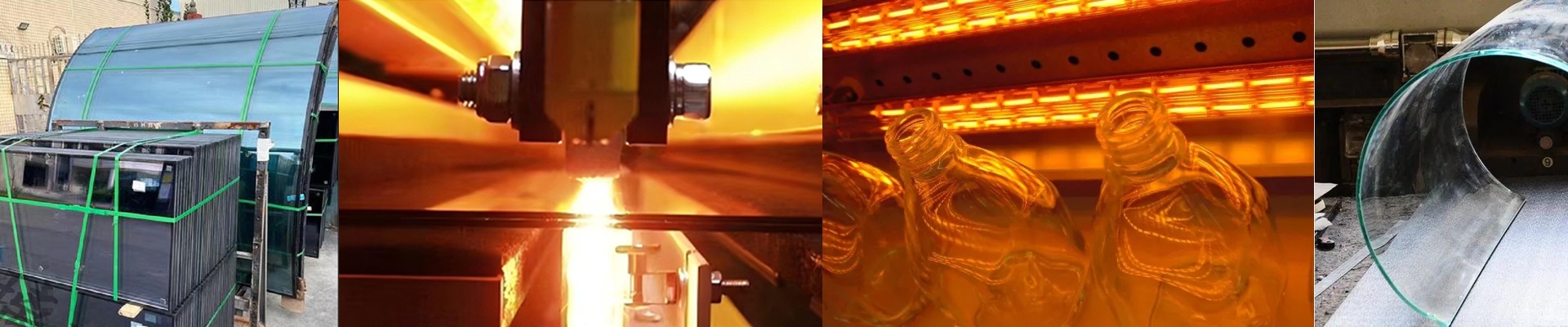
Let’s be honest: standard infrared lamps are great until they aren’t. The second you’re working with a non-standard bending furnace, those off-the-shelf parts usually become a headache. You’ve got odd angles, cramped corners, and geometries that just don’t play nice with a standard tube. We’ve been there. That’s why we just build them to fit. Whether it’s for laser cutting support or specific bending jobs, we make the heaters match your machine, not the other way around. Getting the heat exactly where it needs to be When your layout is tight, you can’t just “force” a standard lamp to work. It’s frustrating and, frankly, dangerous. Instead, we look at your actual footprint and spec out the exact length and curve you need. We play around with the quartz tube diameter and the filament length to nail the wattage per centimeter. Here’s the trick: if you cram more wattage into a shorter tube, you get a much higher heat density. It’s a great way to get the temperature you need in a tiny space. But a word of caution—pushing that much power into a small area puts a lot of stress on your furnace housing. Make sure your insulation is solid, or you might end up warping your outer chassis. The nuts and bolts of the build We use high-purity quartz glass because it can take a thermal shock without cracking. Depending on what you’re doing with your laser cutting support, we can even add coatings to the glass. This lets us shift the emission spectrum. If you need a quick surface heat, we go shortwave. If you need the heat to soak deeper into the metal, we move to medium-wave. And we aren’t picky about connectors. R7s? Sk15? Whatever your power rail uses, we wire it up to match. You just plug it in and get back to work. A few things to keep in mind Custom shapes are a win because you can put the heat source much closer to the workpiece. This means your ramp-up time drops significantly. It’s fast. Really fast. But there’s a trade-off. When things are that close, the risk of someone or something accidentally hitting the tube goes up. I always suggest using dedicated mounting brackets to keep everything locked down. One last tip: if you’re pushing these lamps to their absolute limit, keep an eye on your voltage drops across long lead wires. If the voltage dips, your lamps won’t hit the temps you’re expecting, and you’ll be left wondering why the heat feels “off.”