
The Secret to Glass That Doesn’t Just Shatter
Ever had a borosilicate flask just… explode? Maybe it happened during sterilization or right in the middle of a reaction. It’s a nightmare. Usually, it happens because the glass has “internal stress” locked inside it. If you cool the glass too fast or unevenly, you’re basically baking a ticking time bomb into the material. To stop that from happening, we use infrared (IR) heating. But not just any IR—we’re talking about a setup that can hold a temperature within 0.1°C.
Getting the Temperature Just Right
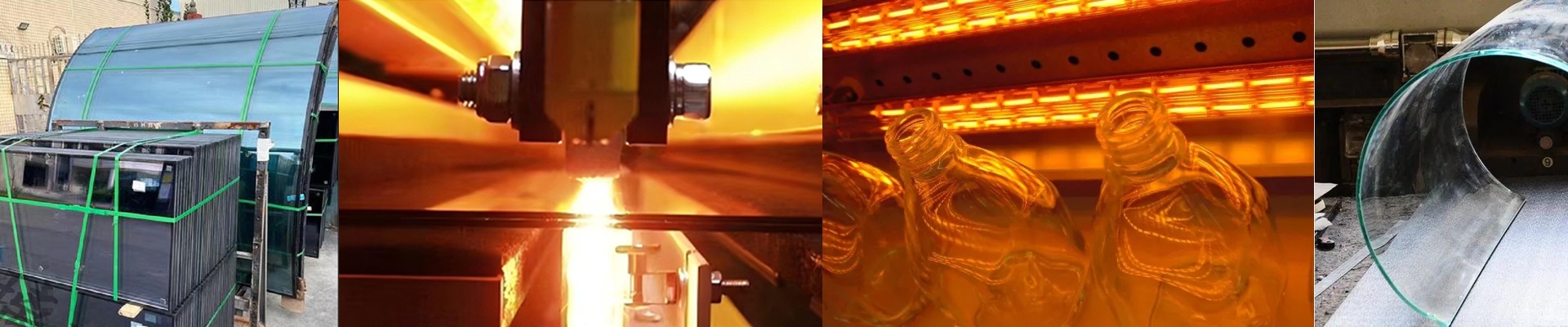
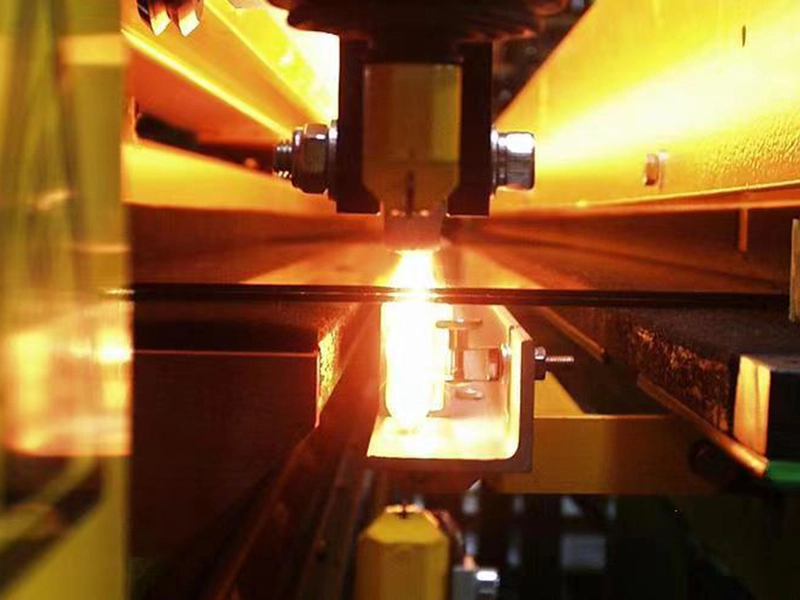
Glass doesn’t just melt in one go. There’s this sweet spot called the annealing point. It’s the moment where the glass is soft enough for those internal stresses to relax, but not so soft that your flask turns into a puddle. The problem is that this window is tiny. If your heater jumps around by even 2 or 3 degrees, you’re in trouble. You might overheat the outside of the glass while the core is still stressed. That’s why we stick with short-wave IR emitters. They actually sink deep into the glass walls rather than just warming the surface like a convection oven would. It keeps the temperature flat from the outside in.
Why We Obsess Over 0.1°C
Most industrial heaters are a bit clumsy. They use basic loops that aren’t precise enough for lab work. When you need 0.1°C precision, your heater has to react the second the sensor picks up a change. We use high-density filaments and fast-switching SCRs to make sure we don’t “overshoot” the target temperature. Here’s the thing: if the heater goes too far, you’ve just created a brand new thermal gradient. You end up fighting the glass’s own physics, and you’ll lose that battle every time.
The Trade-offs (The Messy Part)
High-precision IR arrays are powerful, but they’re hungry. They put a massive load on your power supply. Plus, you have to pack the reflectors tight to keep the heat from leaking everywhere. And a pro tip? Don’t forget the cooling fans for the electronics. If the controllers get too hot, they start to drift. Once that happens, your 0.1°C accuracy goes right out the window.