The Struggle of Fitting Heat into Small Spaces
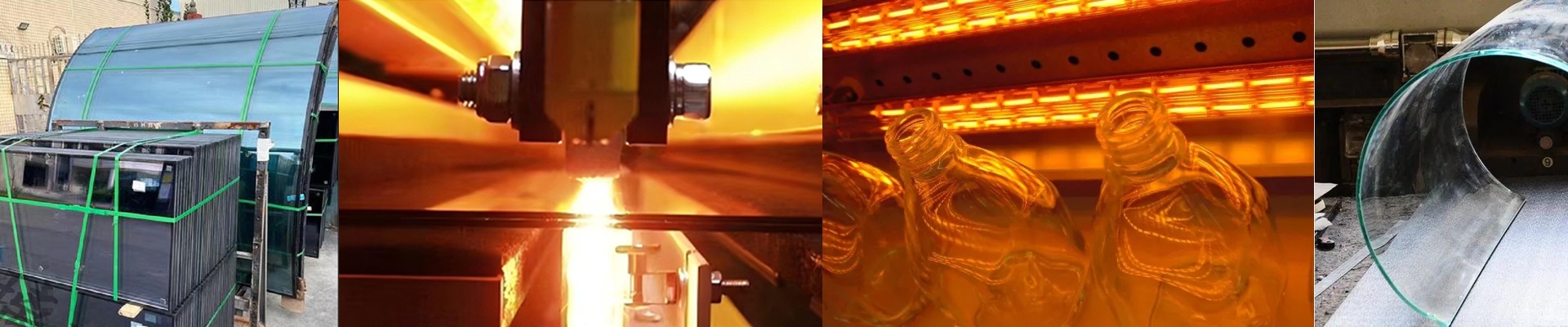
Here’s the problem with mobile glass repair brackets: you want them small and portable, but you still need a ton of heat. It’s a constant fight. When you shrink the housing, you lose that “safe zone” between the lamp and the glass. If you aren’t careful, you’ll either cook the glass surface or fry the lamp because the heat is bouncing right back into the bulb. Getting the power right To get enough punch out of a tiny tool, we stick with shortwave IR emitters. Why? Because shortwave radiation actually gets into the glass rather than just sitting on top of it. It’s way faster. Now, if you’re working with low voltage, you might be tempted to just crank up the current or jam in a denser filament. Be careful there. Pushing too many watts into a short quartz tube creates a lot of internal pressure. We spend a lot of time balancing how bright these lamps are against the risk of the filament just snapping. Dealing with the “Hot Spot” headache In a portable rig, the lamp is usually locked in place, and it’s usually way too close for comfort. To stop the glass from getting those nasty “hot spots,” we use special coatings on the quartz to tune the light. It’s basic physics, but it bites: if you cut the distance between the lamp and the glass in half, you aren’t just doubling the heat—you’re quadrupling it. It happens fast. Making it actually work in the field Once you start wiring this into a portable kit, things get messy. You’ve got tight bends and a lot of trapped heat. First off, use high-temperature silicone leads. If you don’t, the insulation will just melt. And here is the big one: high-density IR in a small box turns the whole thing into an oven. Your electronics will bake. Unless you build in a solid heat sink or a way to force air over the driver board, the whole system is going to trip and shut down within a few minutes.